Plaza’s gray corridors where we breathe the same air with 3500 people. It’s almost impossible to know everyone. Every new acquaintance opens the door to a new world.
My method for getting to know people is quite simple: I ask them about their dreams and their relationship with sports. Because dreams become a unique fuel that spreads and inspires when shared. I listen to others’ passions not to “steal” them, but to add new colors to my own path. Just like a musician draws inspiration from different genres while composing a new piece, I enrich my own adventure by being inspired by others’ passions.
The First Spark: A Peaceful Escape at Ömerli Dam
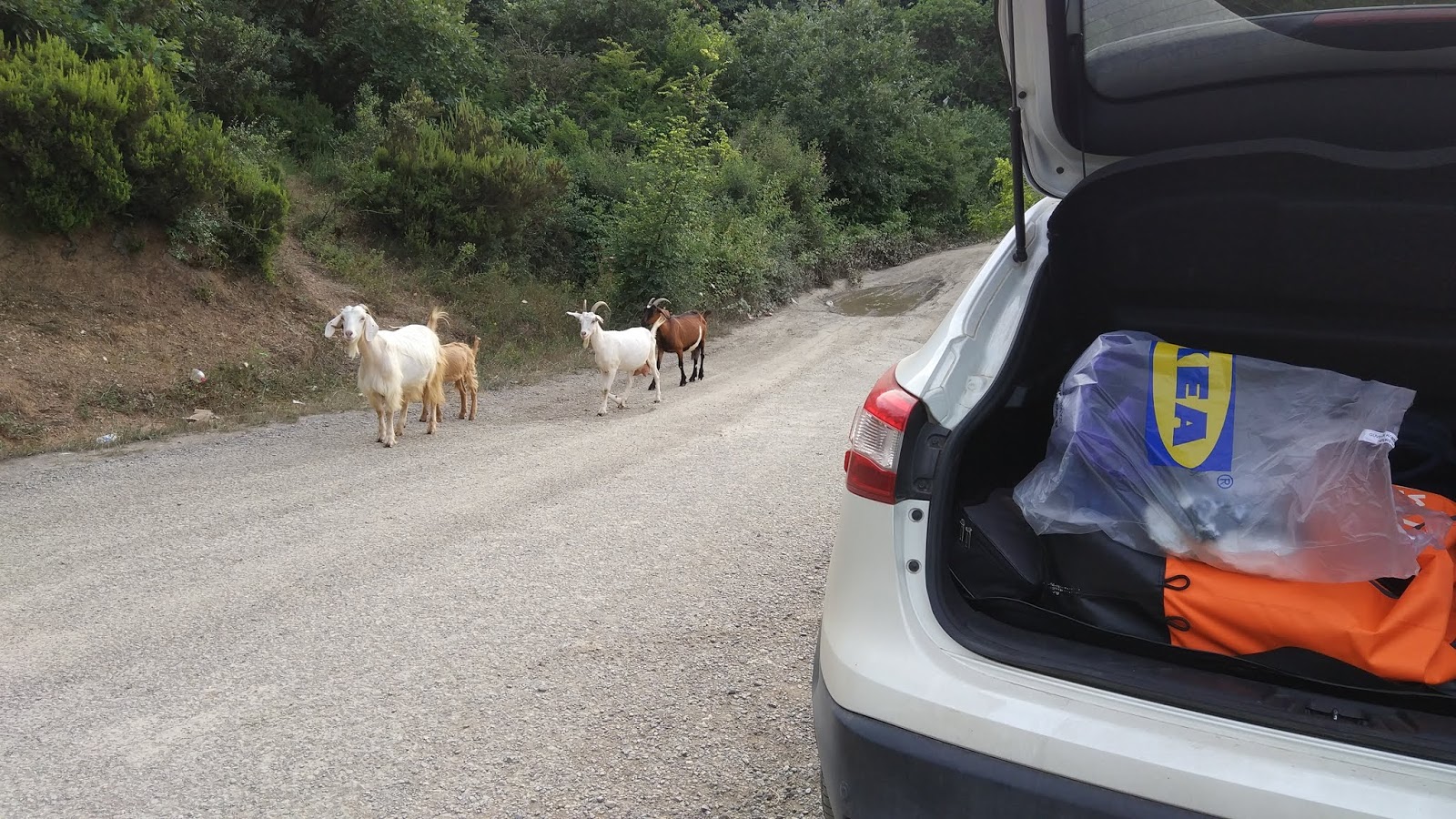
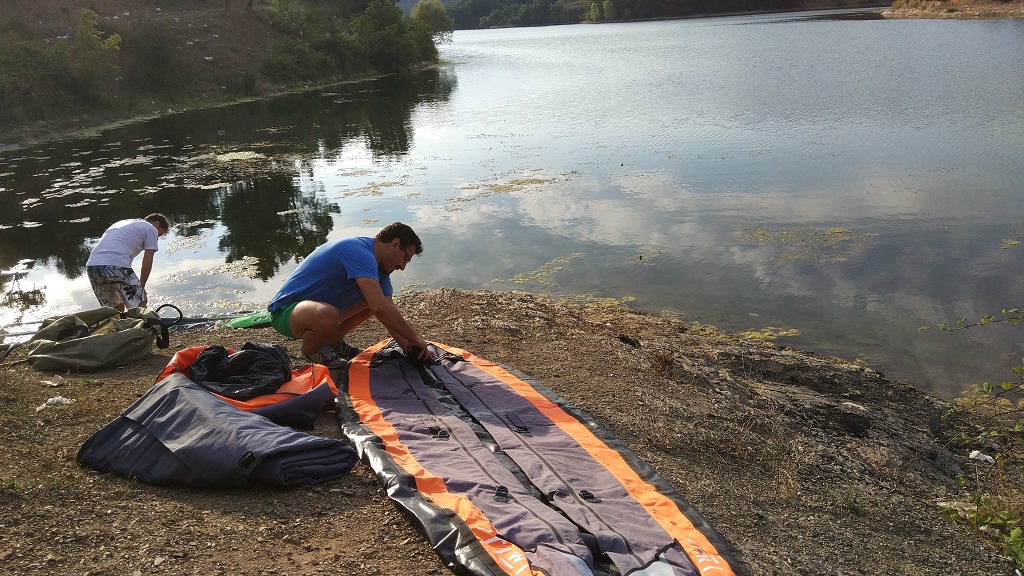
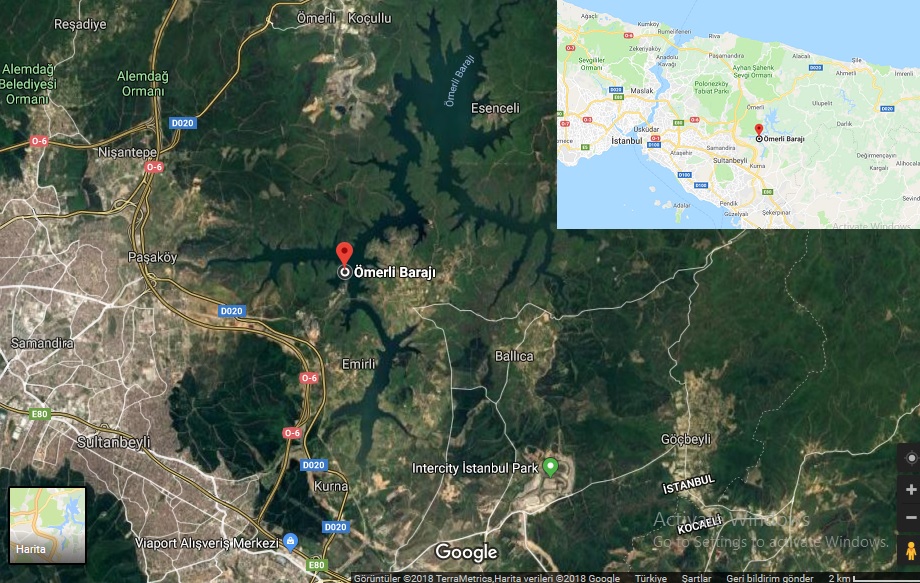
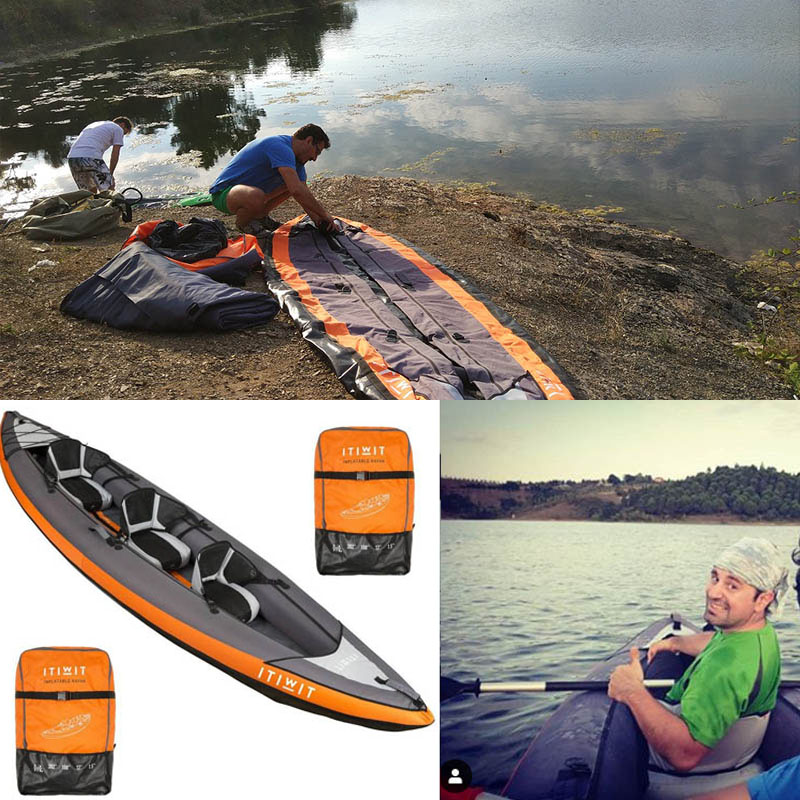
I didn’t waste any time. I decided to go in on a kayak together with another colleague, Hakan. Sharing the cost and the carrying burden would be both economical and much more practical. While researching, I learned one clear thing: You should definitely buy a 2-person model. Even if you get a single-person kayak, you’ll likely have a guest with you anyway; in that case, it becomes a waste of both money and effort. Two-person models are both more comfortable and offer a more social experience.
Saturday: The Decathlon Adventure and “Darn it!” Moments
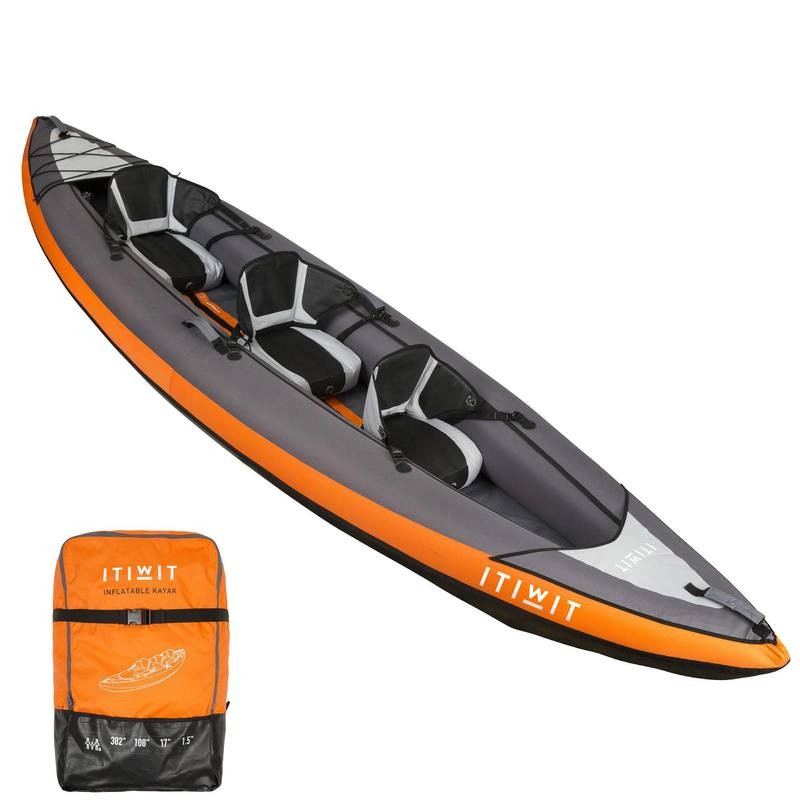
However, fate had other plans for us. When we opened the box in the parking lot, we faced the classic “Decathlon Curse”: the vital adapter for the pump was missing from the box! Since we couldn’t inflate the kayak with our mouths, we needed a solution. The staff member said, “We don’t have any left here, but there’s one in the Ataşehir branch. I’ll reserve it for you.” At that moment, Istanbul traffic was smiling at us.
Time was tight. Hakan and I immediately jumped on the motorcycle. While muttering “Darn it!” inside my helmet, we slalomed through Ataşehir traffic in search of the missing piece. When we finally received the complete pump, we felt like knights who had rescued the Holy Grail. Now there was nothing left in our way — destination: Ömerli Dam again!
When we arrived at the lakeside, we laid out the equipment. The electric pump started inflating the kayak, and I happily thought, “Good thing we bought this, otherwise we’d be pumping like laborers with a manual one.” Right at that moment, the pump’s sound faded. Darn it! The battery had died. There was a car charger cable in the pump box, but since we came by motorcycle, it was useless. Hakan took the pump to a nearby village coffeehouse to charge it.
An hour later when he returned, the pump still couldn’t fully inflate the kayak. The kayak consisted of three separate inflatable sections and couldn’t be put in the water without being fully inflated. Our first attempt failed for such a silly reason. We returned home disappointed.
Sunday: From Caddebostan to Kınalıada – The “Convict Rowers” Story
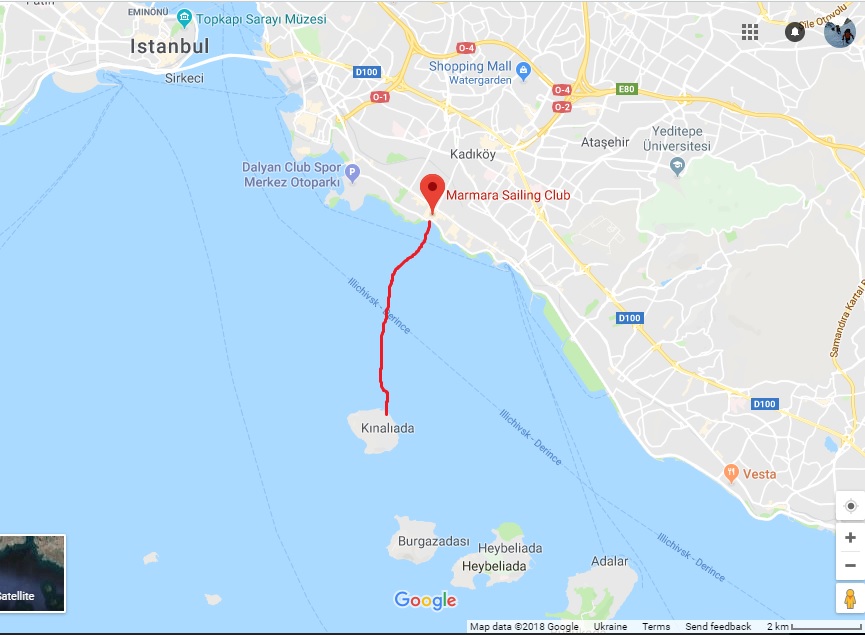
The next day we were filled with determination. Learning from the previous day’s experience, we bought a manual pump as backup in case the electric one failed again. This time the destination wasn’t Ömerli but Caddebostan. It was closer to the city and logistics would be easier in case of any mishap. We parked the motorcycle next to the Marmara Sailing Club, where Hakan and I had previously taken windsurfing lessons, and spread out on the grass. The July heat and motorcycle ride had tired us a bit, so we took a short break and watched the calm sea.
After the break, it was time for action. We took the kayak out of the backpack. This time the battery-powered pump worked perfectly. We also kept the manual pump with us “just in case” and set off to sea. The sea was as smooth as glass that morning. Soon, however, the first problem appeared: the kayak wouldn’t listen at all and kept changing direction on its own. While muttering “Come on, it can’t be this hard!” we faced the bitter truth: We had forgotten to attach the skegs (the fins that help the kayak go straight)! In our haste, we had left those vital three pieces in the motorcycle bag. We turned back before going too far, attached the skegs, and finally — the kayak went straight like an arrow. Now we were really enjoying it.
– Pull those paddles, pull pull!
– Damn, we’re actually moving!
While envying the windsurfers gliding past us, our curiosity overtook our sense of safety. I vaguely remembered the manual saying “don’t go more than 300 meters from the shore,” but we had already crossed that limit. We looked at each other and the famous question came up: “Can we go to the islands?” The answer was simple: “We’re going. If needed, we’ll turn back!” Hakan paddled in front, I was in the back.
As we moved away from the shore, the view changed. The buildings got smaller, and the sea showed its real face, abandoning its “glass-like” state. Waves, currents, and heavy boat traffic turned into a massive problem. While ferries and yachts moved parallel, we were crossing their path at a right angle. With every approaching vessel, we were doing mathematical calculations: “Should we wait or push forward?” We only knew how to take bearings. In general, when there was a risk of collision, we chose to wait. We tried to face the huge waves created by passing boats head-on to keep our balance, performing all kinds of acrobatic moves so we wouldn’t capsize like paper boats in the middle of the Marmara Sea.
After two hours of epic struggle, we reached Kınalıada beach. The kids on the shore watched us as if we were aliens who had just landed. We pulled the kayak onto the sand and threw ourselves under a tree’s shade. Under the July sun, hatless and unprepared, we had conquered the island — but the price was heavy.
The two 1.5-liter plastic water bottles we brought were quickly finished. We had taken neither food, nor wallet, nor a single penny with us. Our dream of returning by scheduled ferry crashed into our empty pockets. Our only option was to gladly grab those paddles again.
On the way back we switched places; this time I was in front, Hakan in the back. In the first minutes we were fast thanks to the energy from resting, but after one or two kilometers from shore the real suffering began. The current had reversed and traffic had increased. At that moment, someone from a boat named “Cemal Captain” called out:
“- Any problem, guys? Do you need help?”
Our pride was bigger than our hunger:
“- No thanks!”
we said, but a voice inside us was screaming “Take us out of here!”
Our tongues were stuck to the roofs of our mouths from thirst, and the sun was burning our brains. Hakan snapped at me because I splashed water on him while paddling. I wanted to argue that we’re at sea — what’s more natural than getting wet? But I realized that those meaningless fights in Survivor aren’t scripted; when people reach their limits, they fight over the smallest things. We couldn’t change places because of the kayak’s balance. I was rowing like a convict under a barrage of complaints from behind.
I was trying to row toward a landmark on the opposite shore, but I couldn’t row properly because the waves kept pushing the kayak’s nose off course. I had to paddle two or three times on the right for every stroke on the left. Naturally, I couldn’t synchronize with Hakan. Also, to avoid splashing water, I was paddling slowly and carefully without dipping the paddle too deep. Then Hakan got angry, saying I wasn’t paddling and that he was carrying me. Had the sun gone to his head? I felt like hitting him with the paddle! I was worse than a galley slave. My mouth was dry. I was imagining vultures circling above me…
At that moment, a fancy, expensive sailboat approached us. The well-dressed group inside must have felt sorry for us and asked if we needed help. Our politeness had run out and our strength was gone. We brushed them off with a short “no.” They left as quickly as they came. People seeing us from outside must have been feeling pity. Or maybe because Hakan was leaning way back, almost lying down while paddling. I don’t know. At one point I noticed water was starting to collect inside the kayak. My butt was in the water and the kayak was getting heavier. Since we didn’t have a dry bag, protecting our phones was another problem. Two hours had passed but we were only halfway. We still couldn’t clearly see the opposite shore. Oh God, will we ever reach land?
The same sailboat came back again. They asked once more, “Any problem?” Out of pride we said “Everything’s fine,” but inside we were screaming “Take us!” It was unbelievable. We wouldn’t ask for help until we sank; we wouldn’t give up. Hitting rock bottom with our pride felt worse than the kayak sinking.
The evening coolness and strong wind started. The tension in the kayak continued. My colleague who introduced me to the kayak had mentioned a simple sail attachment that works like windsurfing. He bought it very cheaply on AliExpress. I wished we had it with us. We could have attached it to the front of the kayak and used the wind.
Finally, the shores of Caddebostan became visible. After approximately 5 hours of unforgettable struggle, when we stepped on land, we could barely stand. We washed the kayak with a hose, deflated it, and stuffed it into the motorcycle bag.
At the end of the day, exhausted and disheveled, we threw ourselves into a seaside restaurant. While eating, we laughed and analyzed this “unprepared heroism.” As we headed home in the dark, one sentence remained in our minds: Adventures started unprepared become unforgettable… but they are equally difficult.
We took note of what we will definitely take with us next time:
- Plenty of water and energy-giving snacks
- A waterproof dry bag (for phone, wallet, etc.)
- A small sail that can be attached to the kayak (there are affordable models on AliExpress)
- Hat, sunscreen, and sunglasses
- Life jacket (PFD) — (we didn’t buy extra because the kayak seat can be used as one)
- And most importantly, leave our pride at home and bring some cash!
That’s all for now. See you on the next adventure!