Technical Equipment: Ice Axe, Crampons, Helmet, Trekking Poles, GPS, VHF Radio
Weather Conditions: Clear skies throughout the climb, temperature between -5°C and -9°C, light winds (10-15 km/h)
Camp Location: Next to Karbeyaz Hotel (1890m)
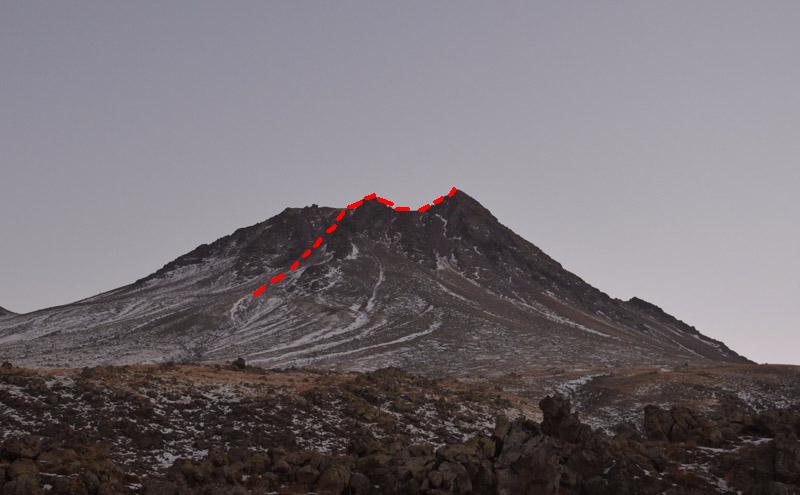
Route: North face of the mountain, Yılankar (Snake) route
Ascent: 6 hours, Descent: 5 hours
Leader: Sönmez Erkaya
Number of Participants: 26
Recommendations: – For winter ascents, snowfall conditions must be monitored closely, and a suitable weather window should be selected following recent snow.
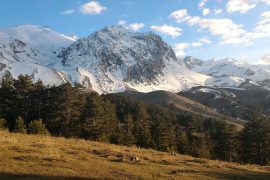
In the heart of Central Anatolia, a majestic dark silhouette rises like a lighthouse: Mount Hasan. Standing at 3,268 meters, it serves as both an excellent training ground for alpine beginners and a rewarding acclimation route for experienced mountaineers. In this post, I will share the details of our ascent on this dormant volcano and my notes regarding the route.
Departure from Istanbul and Journey Excitement:
Our minibus departed from İncirli at 23:00 on Friday evening. We picked up our teammates from the designated stops along the way and kept moving. There were several climbers among us embarking on their very first winter ascent. Everyone was in high spirits and full of positive energy. We took our first short break in Bolu.
Arrival in Aksaray and Final Logistics Preparations
We arrived in Aksaray around 07:00 in the morning. After a hearty breakfast, we headed out for market shopping. We organized our food planning collectively according to tent groups. However, as I observed after the expedition, there were significant differences in how well groups managed their rations. Some tent groups underestimated their needs for a 2-day activity, while others were overly cautious and packed enough supplies to last 3 to 4 days. After topping off our water supplies, we plotted the Helvadere road on our GPS and set off. Upon arriving in Helvadere town, we stopped for a quick break at the local coffeehouse in the square. The locals were incredibly welcoming, and we shared a very pleasant chat.
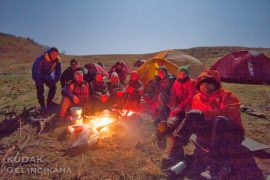
They shared the legendary story of Mount Hasan with us, which has been passed down through generations: The Legend of Hasan Dede and Ali Baba. After listening to the tale and finishing our tea, we bid farewell to the coffeehouse regulars. Meanwhile, Sönmez Hoca took down the contact information of a local tractor owner in case the mountain road got snowed in. We then headed toward the base camp area next to the Karbeyaz Hotel. We arrived at the campsite and began setting up our tents. Once base camp was established, the entire team went on an exploratory acclimatization walk toward the couloir entrance. We also conducted a brief instructional session on ice axe and crampon techniques. Following the training, we headed back to camp. There are stone shelters surrounding the campsite, making the evening relatively comfortable, warm, and well-sheltered. We fired up our stoves and cooked dinner. Around this time, a large group from the Ereğli Mountaineering Club (ERDAK) established their camp right next to us. We crawled into our sleeping bags around 18:00. A few hours flew by with tent chatter, and absolute silence was mandated after 22:00.
Summit Day: The Challenging Climb Starting at Midnight
Alpine wake-up was at 03:00. We had a quick bite and began gearing up. After designating our lead and sweep climbers, we set out in a single-file line around 04:30. A bright full moon illuminated our path. The clear weather and absence of fog were massive advantages. Along the approach, we crossed alternating sections of loose powder and completely bare ground. Since there was no solid snowpack or exposed ice sheets, strapping on crampons wasn’t necessary yet. We reached the apron of the Yılankar couloir smoothly.
Yılankar Couloir and Steep Scree Sections
During the approach, I caught myself thinking: the approach distance is so short, I might finish this entire climb without even breaking a sweat. That is typical of volcanic peaks—they deceive you. However, as soon as we hit the steep incline inside the couloir, that thought vanished. There isn’t a single flat foot-hold throughout this phase. We constantly struggled over loose scree and massive boulders. This section was where the team burned the most energy. We dodged a few minor rockfalls but fortunately avoided any serious incidents.
Summit Crater and Magnificent View at 3268 Meters
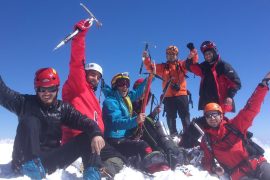
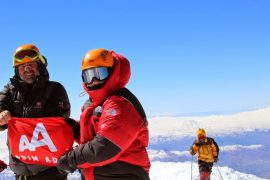
Topping out at the volcanic crater rim, I traversed west along the ridge line and pushed toward the first sub-peak in sight. A few minutes ahead of me, Sönmez Hoca spotted me and signaled for me to follow his line. The point I had reached turned out to be the lower summit (3,235m), home to the rumored resting place of Hasan Dede. By 10:00, the entire team gathered on the main summit (3,268m) within minutes of each other. We congratulated one another and took our summit photos. The panoramic view offered pristine visibility of Mount Erciyes and the sharp apex of Demirkazık in the Aladağlar range. We couldn’t locate the summit log; we suspected it was over at the lower summit. We briefly considered tracking back to retrieve it, but it would have cost us at least an hour.
Descent and End of the Activity
Since we had a post-climb tour of the Ihlara Valley scheduled, we decided to forgo hunting for the log book. The Turkish flag was mounted about 2 meters below the true high point. We picked up the flag along with its pole and anchored it exactly at the geographical summit. We then initiated our descent along the ascent route. We employed a mix of down-climbing techniques: side-stepping, controlled glissading where possible, and down-climbing face-in on the steeper walls. Because there hadn’t been enough snow to kick solid steps on the way up, we couldn’t rely on effortless heel-plunging on the way down either. (The descent felt notably longer to me. The ultimate way down would be launching a paraglider from here, but let’s see when I’ll be able to pull that off). We made it back to base camp between 16:00 and 17:00. We struck our tents, packed our gear, and concluded the mountaineering phase before hitting the road for our return journey.
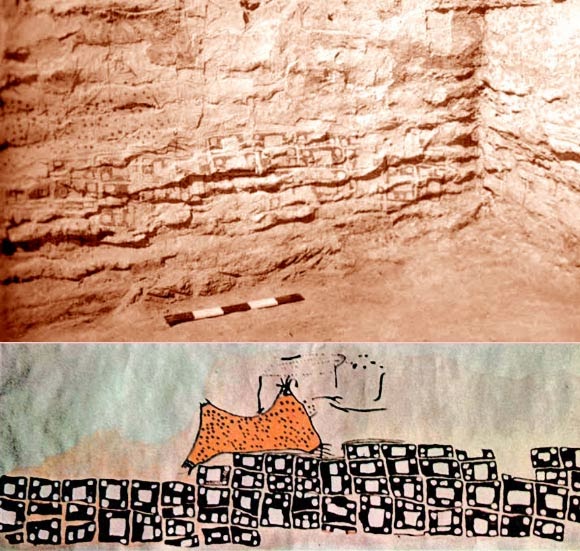
Witnessed by History: The Ancient Volcanic Eruption of Mount Hasan