9 thousand kilometers away my home, I visited the country of cheerful and friendly brothers and sisters. Indonesia is made up of ethnic groups with many different languages, religions and cultures. From the temples of Borobudur and Prambanan in Yogyakarta to the monkey forests in Bali, I tell you about what I saw. In this episode there is footage of the Blue Fire and miners at the Ijen volcano.
9 thousand kilometers away my home, I visited the country of cheerful and friendly brothers and sisters. Indonesia is made up of ethnic groups with many different languages, religions and cultures. From the temples of Borobudur and Prambanan in Yogyakarta to the monkey forests in Bali, I tell you about what I saw. In this episode there is footage of Jakarta and Yogyakarta. Don’t forget to subscribe and press the bell button to be notified when a new episode is released!
9 thousand kilometers away my home, I visited the country of cheerful and friendly brothers and sisters. Indonesia is made up of ethnic groups with many different languages, religions and cultures. From the temples of Borobudur and Prambanan in Yogyakarta to the monkey forests in Bali, I tell you about what I saw. My first plan is to take the train from the capital Jakarta to Yogyakarta. Then in the second part…
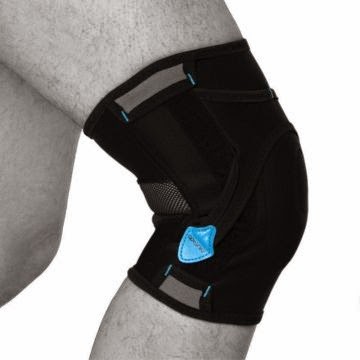
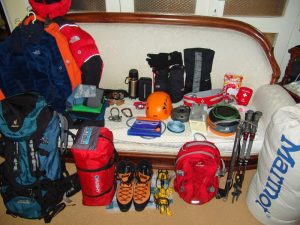
I’ve compiled my complete personal gear inventory here with photos and honest reviews based on real-world use. I check this list before every trip to make sure I haven’t forgotten anything. I’ve added my experiences, pros, cons, and tips — hopefully they’ll help you make better gear decisions.
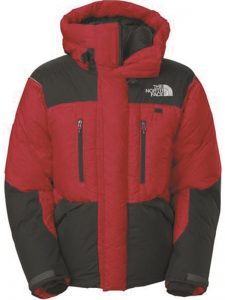
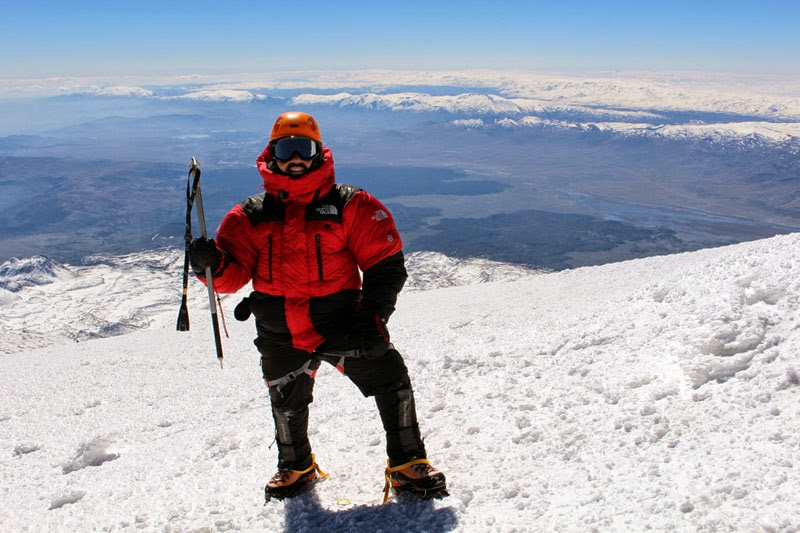
This is a truly legendary piece of gear. As Tunç Fındık once called it, an “8000-meter sweater”! It gives you immense confidence in freezing conditions. I wish I could own several and rotate them. For me, it’s indispensable.
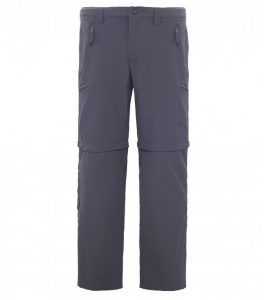
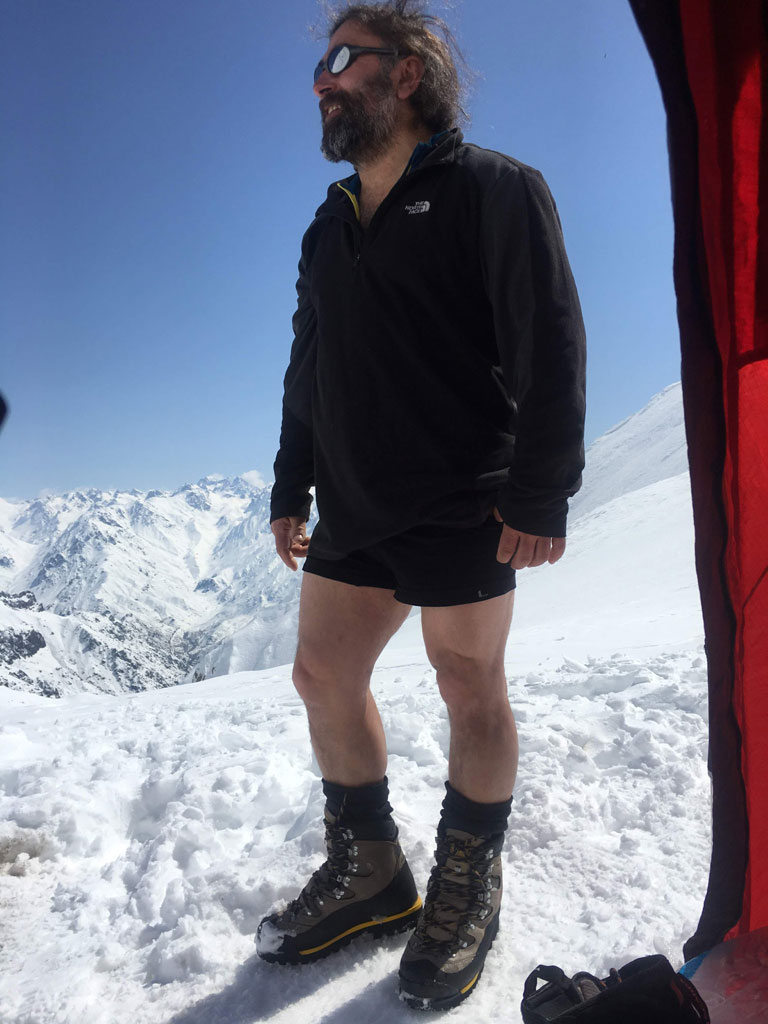
A True Companion. It is one of those rare designs where you can adjust the length by folding the cuffs and zip them into shorts whenever you like. It is truly hard to come across such functional details these days. There have been so many times after summit climbs where I’ve converted these pants into shorts and plunged into cool waters. Combined with UPF sun protection and Quickdry technology, they have become my personal definition of “perfection.” I bought two, but I really wish I had bought more; unfortunately, functional models like this are hard to come by nowadays.
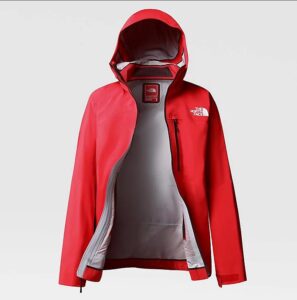
This model features North Face’s in-house Futurelight membrane instead of Gore-Tex. According to tests, it offers three times more breathability while remaining completely waterproof. The velcro straps on the cuffs used to wear out quickly in previous versions; they’ve improved them in this model, and the result is excellent.
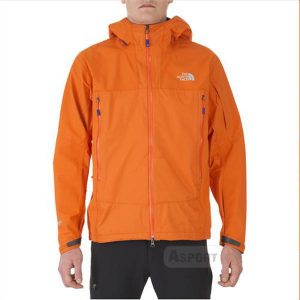
Besides the Gore-Tex membrane, it includes all the important features a proper hardshell jacket should have. It stays in place when you lift your arms, the helmet-compatible hood is easy to adjust with one hand, and the underarm zippers provide excellent ventilation to expel moisture quickly.
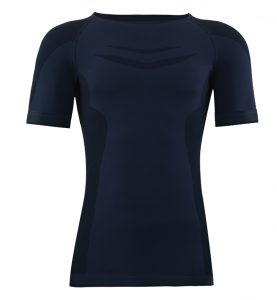
In cold weather, my biggest challenge is staying warm while moving and not getting chilled once I start sweating. The HyActive fabric used in this base layer really makes a difference. It wicks away moisture extremely fast during climbs or long hikes, yet continues to keep you warm. Thanks to its seamless construction, I experienced no chafing or irritation even after long hours with a heavy backpack. It’s very lightweight and feels almost non-existent on the body. The quick-drying feature was especially useful in camp. It also doesn’t hold odors, which is a big advantage on long trips. For me, this has become a reliable base layer that I can wear confidently under mid and outer layers — almost a four-season piece.
This locally produced thermal base layer is truly successful. It keeps you warm while effectively moving moisture away. A must-have item to have with you in the mountains.
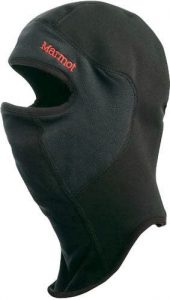
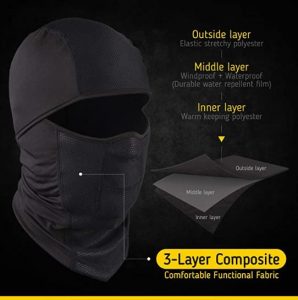
The thermal performance of this balaclava is highly impressive, and it does an excellent job of blocking the wind. However, the moisture-wicking capability of the fabric around the mouth and nose area fell short of my expectations. During high-intensity activities that require heavy breathing, moisture from my breath gets trapped inside the fabric over time. This creates a wet and cold sensation in that area, significantly reducing overall comfort. This specific section definitely needs a more effective solution, such as a fast-drying tech fabric or rubber/plastic air vents. I highly recommend keeping this detail in mind while doing your own research before purchasing.
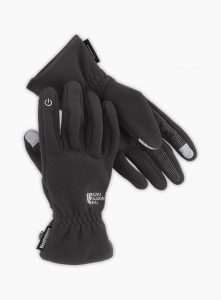
The “Etip” name refers to touchscreen compatibility on the index finger, but I couldn’t really use this feature effectively. The idea of using your phone without taking off the gloves is nice, but it didn’t work well for me. Apart from that, the Gore Windstopper technology that cuts wind and the water-resistant DWR coating are very successful. The grippy panels on the palm, index, and middle fingers provide secure pole grip and reduce the chance of dropping your phone. Overall, the gloves are comfortable and fit the hand well.
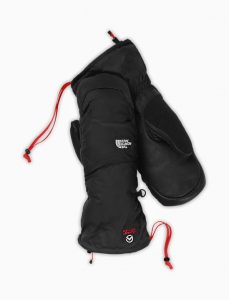
The Nuptse Mitt is lightweight but extremely warm. I liked how well it blocks the wind and the secure grip provided by the leather palm. The inner lining is soft and remains comfortable during long use.
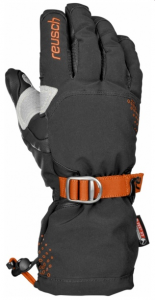
A waterproof, high-quality ski glove. It keeps your hands as warm as if they were indoors, yet still breathes well enough not to cause sweating. It provides good dexterity without restricting hand movement during activities. Choosing the right size is important. The one-hand adjustable cord on the cuff tightens the wrist and keeps the glove securely in place. They’re so comfortable that you don’t want to take them off. German quality shows itself clearly.
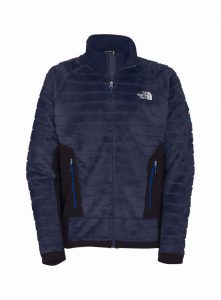
This product is made from Polartec’s warmest fleece, Thermal Pro® High Loft. Unfortunately, it has become quite difficult to find. Sometimes brands release these high-end pieces almost by mistake, then discontinue them — I really don’t understand why. The Polartec Power Stretch fabric used on the underarms and collar is the real star. It effectively wicks moisture away from the body’s highest heat-producing areas, preventing overheating while maintaining excellent warmth. Compared to other fleeces, its biggest advantages are being lightweight and packing down very small, making it ideal for backpacking. Since it’s designed for mountaineers, it brings together all the desired features in one piece. Of course, other fleeces will also keep you warm, but always pay attention to breathability. If you plan to wear it as a standalone layer without an outer shell, other models might be more suitable. I usually wear this as a mid-layer under my technical jacket. Its segmented construction makes it very comfortable and highly breathable. When I wear it alone while going on a mountain activity, its furry appearance makes me look like a fluffy bear; everyone on the road wants to hug me 🙂
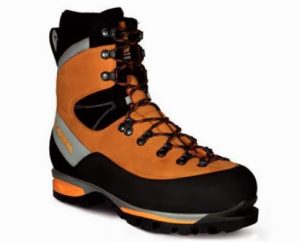
I was planning to buy the Phantom model with built-in gaiters, designed for 6000m peaks. However, it has a long, narrow shaft that didn’t fit my thick calves and felt too tight. Even though I didn’t want to, I ended up choosing this model and I’m really happy with it. Italians hardly ever let you down in the footwear department. Make sure to get one size bigger than your usual shoe size. Although, finding the size you want in stock is often a challenge in itself!
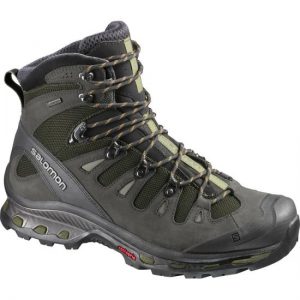
Salomon really nailed it with this model — it’s incredibly tough, almost like ski equipment. It comes with Salomon’s own Contagrip outsole. The rock protection, flexibility for comfortable walking, and high material quality completely won me over. I used them for many years. The only downside is that they slip excessively on trails. I wondered if it was due to wear, but they were slippery even when brand new. Vibram soles perform much better in this area.
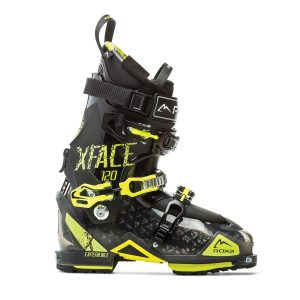
When it comes to ski touring boots, the absolute golden rule is finding a fit that snugly wraps your foot without pinching. If the boot is too tight, it restricts blood circulation; if it’s too loose, you lose maneuverability and invite friction. That is why it is crucial to keep the boots on your feet for at least 1–2 hours while testing them in the store. Natural foot swelling throughout the day can easily mislead you. I bought my very first pair too tight, being a bit too impatient. After just an hour on the mountain, my circulation was severely compromised, and I was forced to take the boots off in sheer agony. On the flip side, even the slightest dead space inside the boot compromises your edge control during descents and causes painful blisters on your toes during ascents. The most critical takeaway is this: You aren’t just buying these boots for downhill skiing; you are buying them for hours of uphill skinning and hiking. As you push forward on the trail, your feet will inevitably swell. These seemingly minor fit details are actually what dictate whether your day in the backcountry will be a sublime adventure or a painful nightmare. Keep this in mind during your search.
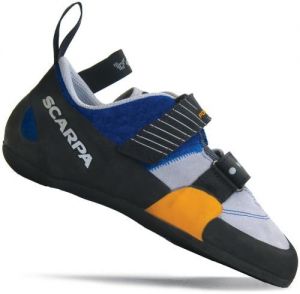
Unlike traditional models, the sole has a flatter shape rather than the usual curved/cambered profile. It’s a great choice for climbers who value comfort more than aggressive performance. It also allows you to quickly loosen the velcro straps to give your feet immediate relief — especially useful between climbs or when you only wear them for short sessions.
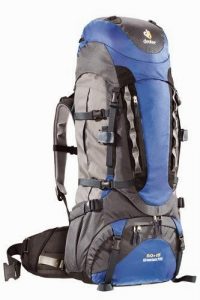
Deuter Air Contact Pro 60+15 has an empty weight of approximately 3 kg and is suitable for carrying loads up to 30 kg. For men, choosing at least 80 liters or 70+15 volume is usually more advantageous. Overall, I’m satisfied with it, but I sometimes feel I need more capacity.
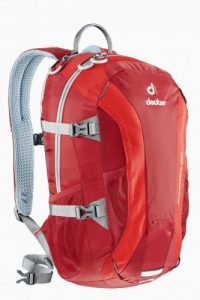
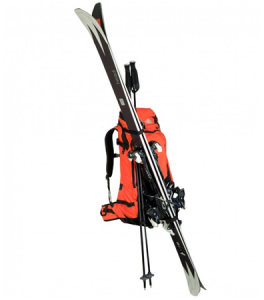
With an incredibly light empty weight of just 500 grams, this is an ultra-light backpack. I generally use it during acclimatization climbs, camp-to-camp hikes, or on final summit pushes. The side straps allow you to securely attach trekking poles or an ice axe reasonably well.
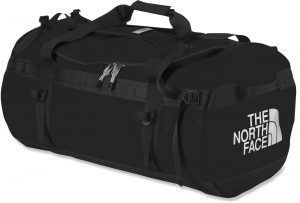
I frequently use both the Small and Large sizes. The Small model measures 52×32.5×32.5 cm, has a 50-liter capacity, and its volume can be reduced when needed. I’ve also used it for regular travel and had no issues in the cabin, although some airlines may cause problems when it’s completely full. Thanks to its ballistic nylon material, it is extremely resistant to wear and tear. With no fragile buckles, wheels, or handles, it’s virtually indestructible. It can withstand all kinds of rough handling by baggage handlers. A long-lasting bag that I really enjoy using.
I used this model on my ski tours, but unfortunately it didn’t meet my expectations. Unlike The North Face duffel bag I praised earlier, this one has external buckles that broke quickly, and the stitching at the bottom came apart. I think I got a lower-quality batch. It was a disappointment for me.
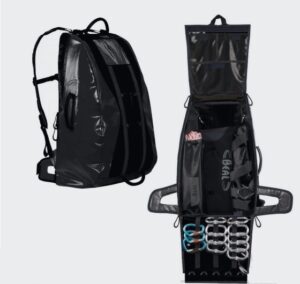
The way the bag opens is exactly what I wanted — very practical to use. With its 80-liter capacity, I can easily fit an 80-meter rope plus some additional gear. It really makes my life easier.
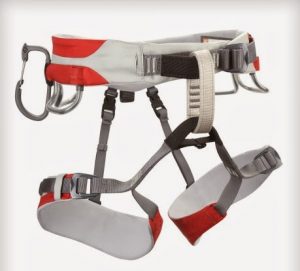
The front-mounted buckles on the waist and leg loops allow for very quick and easy adjustment. I can carry my gear securely. At 460 grams, it is easy to carry and offers serious performance as a specialist harness. In short, it is a reliable and comfortable choice for demanding ice and mixed climbing.
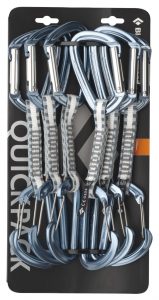
Black Diamond Posiwire 6-pack quickdraw set. Ideally, you should buy at least two sets (12+ draws). If your budget is limited, starting with one set and gradually completing at least 10 draws is also a reasonable approach.
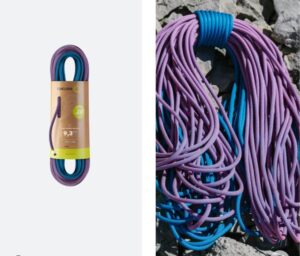
The ColorTec two-tone system makes it much easier to use the rope properly and safely. Thanks to the two different colors, I can easily see when the middle of the rope has been reached.
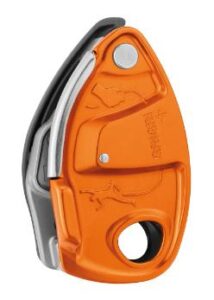
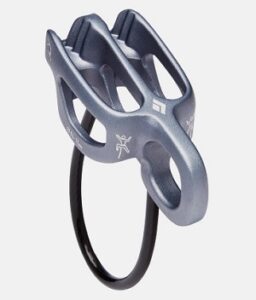
This is my current favorite belay device. The improved handle makes rope handling much smoother, and the anti-panic feature adds extra safety, especially with less experienced climbers. It’s slightly heavier than an ATC, but the comfort and confidence it provides are absolutely worth it. Highly recommended! **Pros:** – Very smooth and precise rope handling – Excellent safety with the anti-panic system – Works great in both belaying and lowering – Durable build quality **Cons:** – Slightly heavier than the regular ATC (but worth the weight for me) – Takes some time to get fully comfortable, especially with giving slack quickly
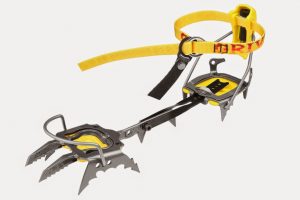
After struggling with crampons that were torture to put on, the ease of putting these on brings great comfort. Storing crampons with mud or snow residue on them will shorten their lifespan. After cleaning, always dry them completely before putting them away to prevent rusting.
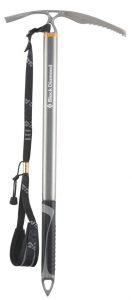
A standard ice axe… This tool always reminds me of the late Barış Manço’s song: “If you say the neighbor’s chicken looks like a pickaxe to the neighbor, and you don’t spare the chicken from where the pickaxe comes… With this mindset, you can’t be the handle of an axe, but one day you become the tip of the handle — pickaxe, pickaaaxe, pickaaaxe!”
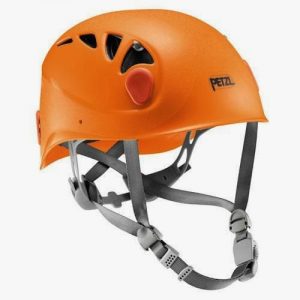
A lightweight and well-ventilated helmet with adjustable air vents. The chin strap is very easy to adjust. Because of its affordable price, it seems like almost everyone has one — as if the municipality handed them out.
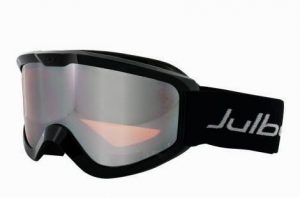
They offer quite comfortable use during climbs. However, the Cat 3 lenses reduce too much light, which darkens my vision while skiing. If you are considering them for skiing, it’s better to choose a lower category lens.
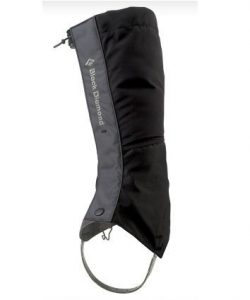
They fit perfectly around the foot in rocky, snowy, and icy conditions without slipping or opening up. Their waterproof yet breathable design provides a big advantage during long activities. They work especially well with crampons and stiff boots, wrapping the ankle tightly. The zipper and fastening system is practical. They feel a bit stiff at first but adapt to the foot over time.
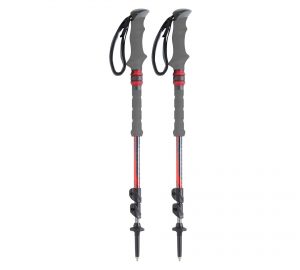
Thanks to their compact design, they are very comfortable to carry. However, they are a bit expensive compared to their competitors. Since trekking poles are items that wear out relatively quickly, I was hesitant to allocate such a high budget. You might prefer a more affordable model that “will need replacing anyway.”
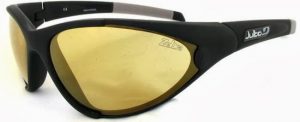
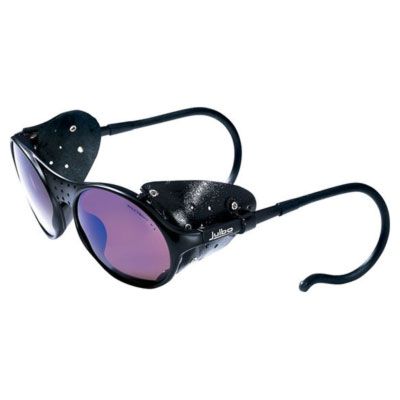
I really like the Cat 2–4 photochromic performance. It changes color within a few seconds depending on light intensity, so my eyes stay comfortable when moving from shade to sun or from cloudy weather to clear sky. The rubber tips on the temples eventually peeled off, but that didn’t affect normal use much in the mountains. It may have been replaced by other models in the current catalog; if you’re considering buying one, the first thing to check—more than the model name—is whether it can transition across Cat 2–Cat 3–Cat 4 light levels.
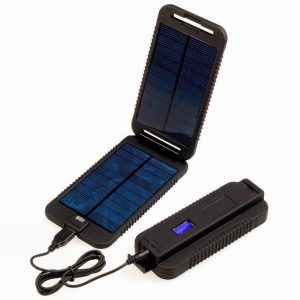
Since external power banks meet my energy needs in most activities, I couldn’t use this product very efficiently. It can be useful for very long trips far from civilization, but charging the battery takes a long time. It is neither light enough to carry in the mountains nor powerful enough when transported by vehicle.
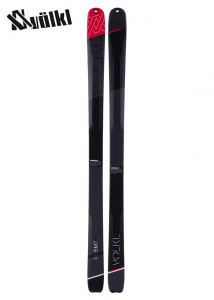
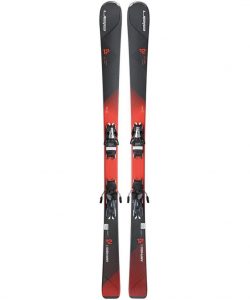
This is truly a versatile and impressive ski. Its weight is very well balanced — neither too light nor too heavy. This makes it comfortable and non-fatiguing even on long tours. It also offers excellent stability and confidence in deep snow. My only regret is that I couldn’t find the perfect length for my height and skiing style. The ski is currently available in three sizes: 166 cm, 176 cm, and 186 cm. There is still no custom-length production or modular design that allows users to modify the ski according to their height and weight. Therefore, you need to find the model that best matches your measurements in stock. If I had gotten the right size, it would have been the perfect “one ski for everything” option for me.
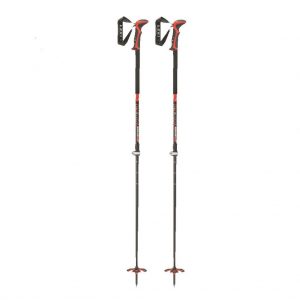
I use them for both trekking and ski touring, and so far I’ve been very satisfied. They are not foldable, and they’re not an ultralight model either, but that actually works in favor of durability. Especially under heavy use, they feel like long-lasting and reliable poles. Overall, I would definitely recommend them to anyone looking for dependable and durable poles for both trekking and ski touring.
They provide smooth skiing. At the same time, they offer strong edge grip and stability at high speeds. They feel easy to use and accessible for all levels. I would say they are especially suitable for intermediate skiers.
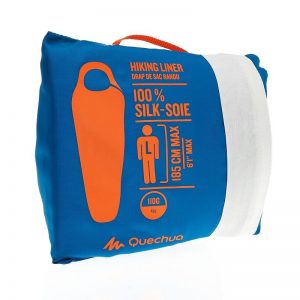
I bought this 110-gram product from Decathlon thinking it would be useful for hygiene. My plan was to return to the tent at night, get into the sleeping bag without taking off my shoes, and rest quickly. In practice, things don’t work that way. First, when you return exhausted, you definitely want to take your shoes off to rest your swollen feet. Second, it’s rarely possible to spend the night in a sleeping bag with wet clothes. Since dry clothes are usually changed, the need for this liner becomes very low.
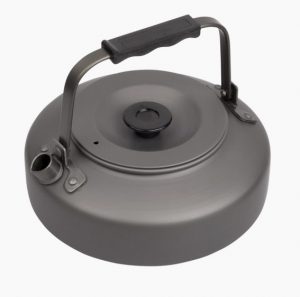
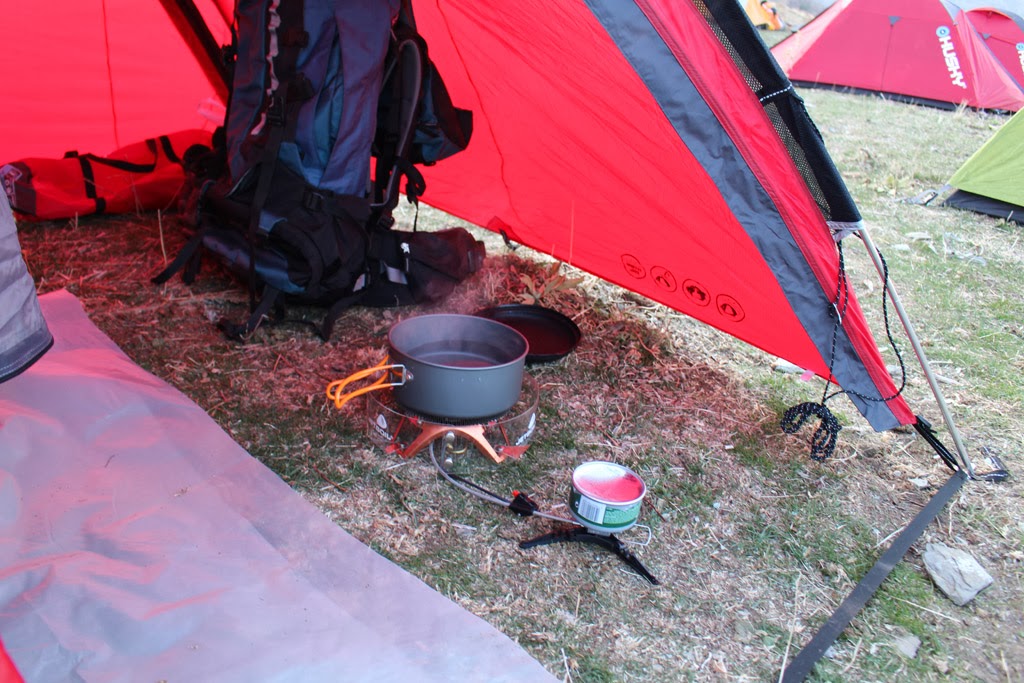
I’d like to say it makes gourmet tea, but that wasn’t my expectation when I bought it. It melts snow quickly and provides fast access to hot water. It has a 0.7-liter capacity and weighs only 153 grams. Its design takes up very little space. You can even put other small items inside it for easy packing in your backpack. It successfully fulfills its purpose in camp.
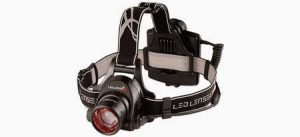
German engineering — a truly lifetime product. No need to mention technical specs; this thing is like a truck headlight! It has its own rechargeable battery pack, but you can also use 4 regular AA batteries in the same compartment. Beautiful.
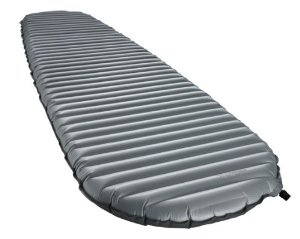
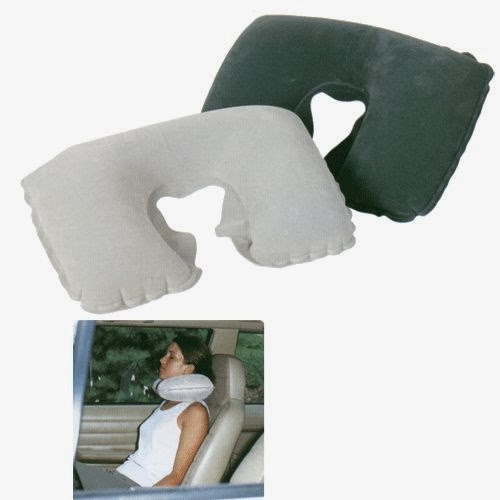
An ideal inflatable mat for high altitude. It packs down very small, which is a huge advantage, and its thermal insulation is excellent. Because it is quite valuable for base camp use, I usually prefer cheaper models (like foam mats) there. It is definitely a very good choice for winter mountaineering and high-altitude expeditions. The only downside is that it requires a lot of breath to inflate on the mountain, which can be dizzying at high altitude. I wish they added a light solution like some other inflatable mats that allow you to inflate by rolling the pillow.
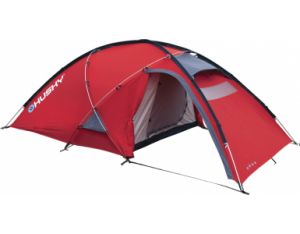
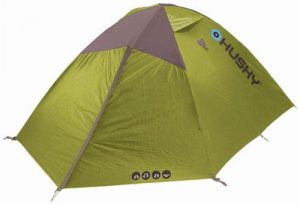
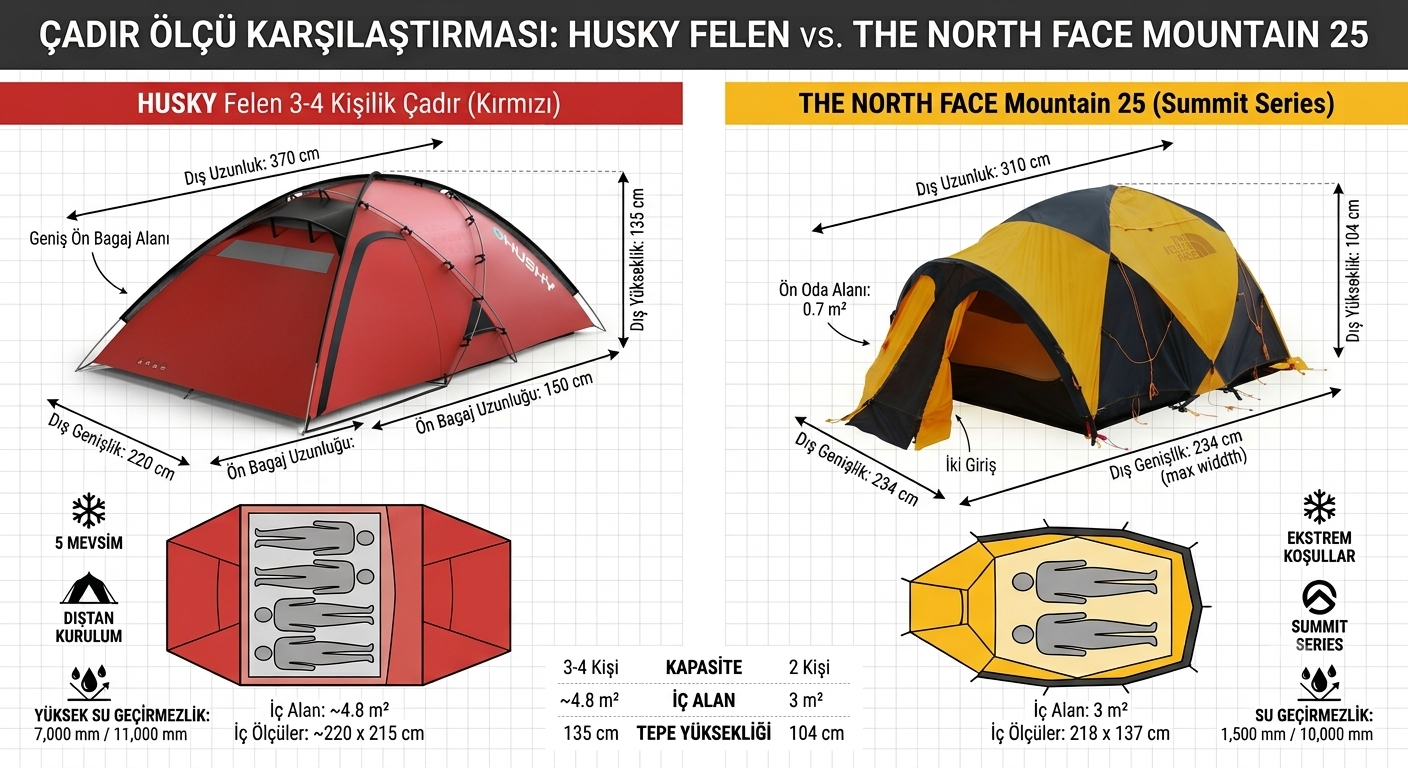
If they wrote “3 rooms + 1 living room” instead of “3-4 person” in the product specifications, it wouldn’t be wrong! It has a spacious interior volume and high ceiling. Of course, its disadvantage is its 5.5 kg weight. Luckily, it can be split between two people. One person carries the 3 kg tent, and the tent partner carries the 2+ kg poles — that’s what I personally do. There is a saying in this community: “Carry like a mule, live like a king.”
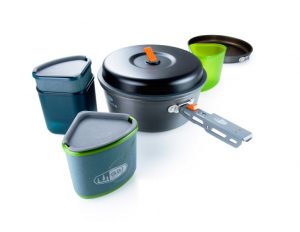
I bought this after I lost my Jetboil set on Mount Ararat. Thanks to its coating, food doesn’t stick and it is very easy to clean. The material quality is solid and it feels reliable despite being lightweight. Be careful — metal spoons/forks can scratch it, so it’s better to use plastic or wooden utensils.
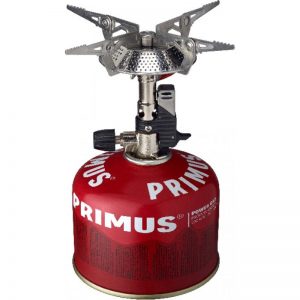
Its foldable design makes it easy to carry. It has a powerful flame that cooks food quickly. It works stably even in windy conditions. A solid and reliable camping stove.
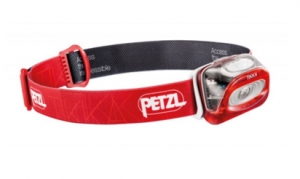
It lights up my face and the inside of the tent well enough while eating. I don’t take it to the mountain; I mostly use it when sitting in the tent during other activities.
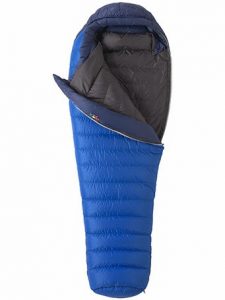
This sleeping bag features an 800-fill goose down filling and stands out with its total weight of just 1.13 kg (638 grams of which is pure goose down). The temperature ratings are Comfort: -5.4°C, Lower Limit: -12.2°C, and Extreme: -31.5°C. Its thermal insulation is more than sufficient for standard winter activities. The biggest reason I preferred this model is its outstanding weight-to-performance ratio. I’m someone who counts every gram. At high altitudes, every gram you save from your pack provides a vital comfort advantage on the way to the summit. Unfortunately, production of this model has been discontinued, and only heavier alternatives are currently available on the market. With proper cleaning and storage (including occasional airing), it is a lifetime investment.
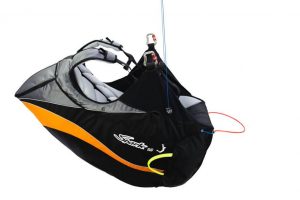
I could never sit comfortably in a stable and upright position in this harness. Other pilots had no issues with it, but I was never satisfied with this harness.
This list is based on my personal experiences and preferences. Gear choice is highly individual — always consider your own needs, body type, and climbing style.
Return to Cilo: A Climb Not to the Summit, But to Life – 2019
This was my second winter mountaineering adventure in the Cilo Mountains. This region holds a special place in Turkey’s climbing community. In 2013, I had been part of a team that made headlines for completing the first winter ascent of Reşko (Uludoruk) — Turkey’s second-highest peak — after a 32-year gap. Pre-expedition Media Briefing/
In the Shadow of Symbols: Cilo’s Hidden Majesty
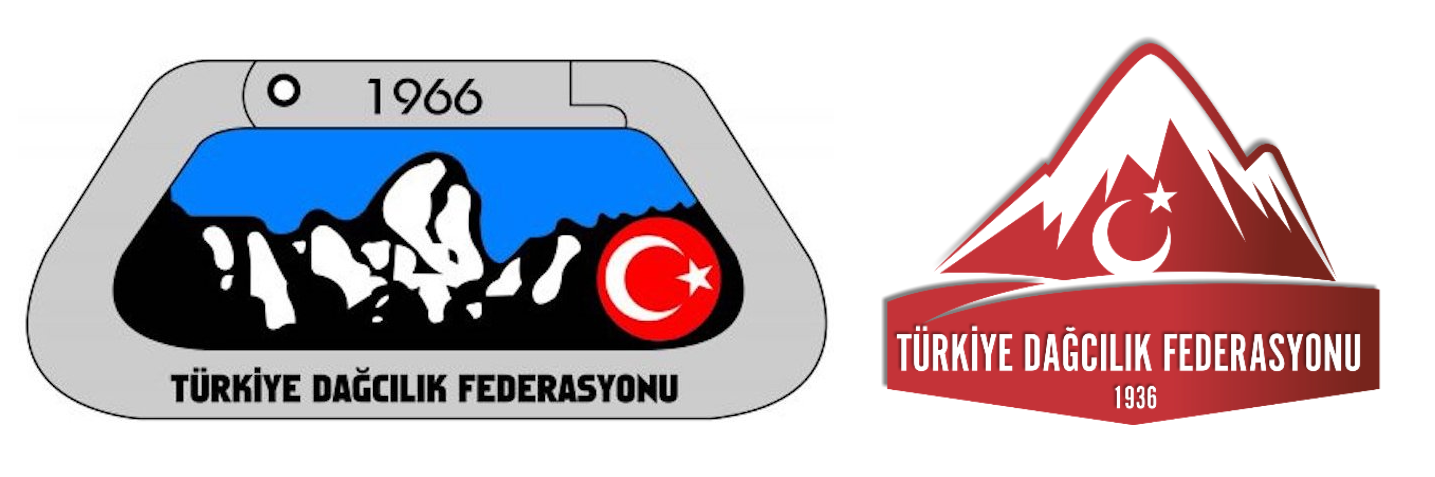
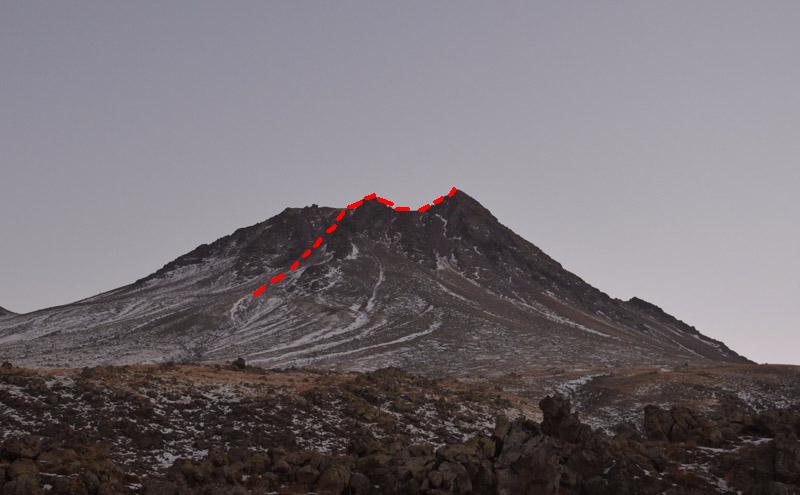
There has long been a whispered claim within the mountaineering community — one rarely voiced officially, yet deeply etched in collective memory: The rising silhouette in the old, iconic logo of the Turkish Mountaineering Federation (TDF) was actually that of the Cilo Range, Turkey’s second highest peak.
For those who speak the language of symbols, Cilo represented the purest and most technical form of mountaineering. But times changed. The old symbol gave way to the political and geographical weight of Ağrı Dağı, Turkey’s highest peak. Choosing Ağrı for the new logo may have been a declaration of “number one,” yet for us, Cilo has always remained that proud, hidden silhouette from the old emblem.
And so, staying true to the spirit of that old logo, we set out on a journey toward the real majesty beyond the symbols — to the heart of Cilo, among Turkey’s most technical, rugged, and untamed peaks.
This was not merely a climb. It was also a quiet quest for justice/recognition of that forgotten silhouette…
Silent Shift of Symbols: The TDF Logo Journey – From Cilo to Ararat.
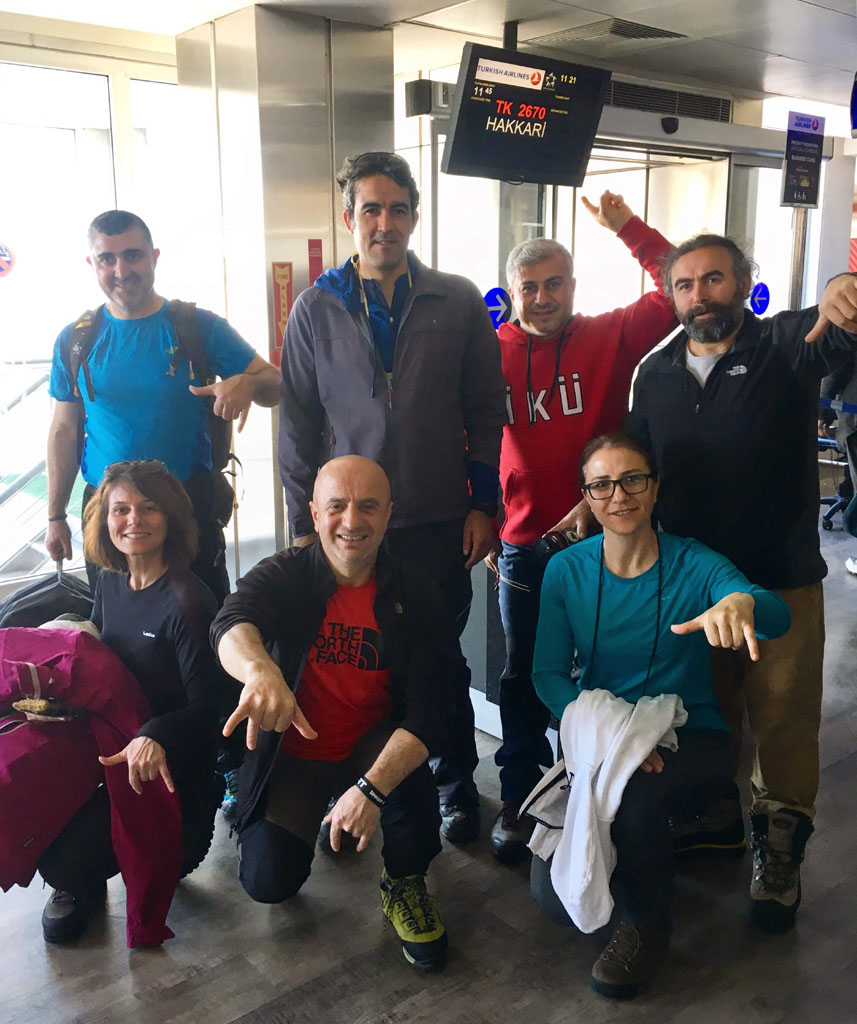
In March 2019, I flew from Istanbul Sabiha Gökçen Airport to Van with three climbing friends. Our plan was to continue from Van to Yüksekova by intercity minibus, which departed hourly. While the other eight members of our team flew directly from the European side of Istanbul to Yüksekova, we chose Sabiha Gökçen because it was closer to our homes. At that time, there were no direct flights from Sabiha Gökçen to Yüksekova. Still, our route was budget-friendly and relatively convenient. When you live in a metropolis like Istanbul, which side of the city you live on becomes just as important as cost when planning a trip.
Airport Frame: From the heart of Istanbul to the isolation of Cilo.
On the day of the flight, I boarded the plane with excitement, stowed my carry-on, and took my seat. From the last identity check until boarding via the jet bridge, I had been walking absentmindedly, staring at my phone. In my hands were my phone, fleece jacket, wallet, and boarding pass. While slipping the boarding pass into my wallet, I opened it in a daze — my ID was gone. It felt as if a bucket of ice-cold water had been poured over me.
Heading to Cilo Without ID: Divine Warning or Simple Forgetfulness?
I tried to calm myself, thinking I must have put it in my bag. I sat in my seat pretending to be relaxed, but an overwhelming anxiety pushed every other thought aside. I checked all my pockets. I probably dropped it while boarding after the final ID check, or maybe I had stuffed it somewhere in my bag. When the plane landed in Van, I searched my carry-on more carefully, but it wasn’t there. After everyone had disembarked, I explained the situation to the cabin supervisor. He told me to wait in the baggage claim area and that if the ID was found on the plane, they would bring it there. I waited for a while, but no one came. Meanwhile, I somehow found the ground services phone number for Sabiha Gökçen Airport, called the lost and found office, and asked about my ID. The answer was negative…
Arrival in Van city and the Taxi Driver’s Justified Concern
With nothing left to do at the Van airport, the three of us took a taxi to the city center. When the driver loaded our bags into the spacious trunk of his Doblo car, he immediately realized we were mountaineers. When we told him we were heading to Cilo, he looked worried and said:
“What are you doing up there in this weather, brother? Something might happen to you.”
He spent the entire ride trying to dissuade us. He offered to show us around Van and even invited us to his home as guests. We politely thanked him for his sincere invitation and said, “Maybe next time, God willing.”
Journey into the State of Emergency (OHAL) Region Without ID
As soon as we landed in Van, my friends and I had only one thing on our minds: reaching Yüksekova as quickly as possible. There was just one major problem—I didn’t have my ID on me. To make matters worse, a state of emergency (OHAL) had been declared in the region due to recent events, and we knew all too well that we would encounter frequent checkpoints along the way.
In search of a solution, we headed straight to the Provincial Directorate of Population in the city center together. I explained the situation, showing them the only thing I had: my Turkish Mountaineering Federation (TDF) license. The chief official stated that a formal investigation would be required and that he couldn’t issue a temporary ID. We left empty-handed.
While brainstorming our next move, we thought of going to the local police station; perhaps an official police report could get us through. There was a massive queue at the entrance. I stepped into line and waited. Noticing the line wasn’t moving an inch, I turned to the guy in front of me with the clueless bewilderment of Kemal Sunal—the legendary Turkish comedic actor—and asked, “Brother, what is this queue even for?” It turned out they were people released on judicial control waiting to sign in, and since the station was on lunch break, everything had ground to a halt. I stepped out of line, signaled the situation to my friends, and walked toward the entrance. As my backpack passed through the X-ray machine, the police officer spotted my drone and instantly grew suspicious. After a brief interrogation, he informed me that population procedures had been transferred to provincial directorates and advised me to call the official helpline. We walked out of there empty-handed, too.
I had never experienced entering a state of emergency zone without an ID before, but there was no turning back now. Driven by that stubborn mountaineer spirit and backed by my friends’ support, we pushed forward toward Yüksekova together, with nothing in my pocket but that climbing license.
The Journey to Yüksekova Begins: Eastern Hospitality
While wandering the streets of Van, the time for the last minibus to Yüksekova (16:00) was approaching, so we reluctantly returned to the ticket office. We bought tickets for the final departure and set off with my three friends. The journey passed quickly with conversations. As darkness fell, we stopped at a roadside rest area. A young man ran out from inside without a jacket in the freezing cold, opened our van door, and warmly welcomed us.
We entered the facility as oddly dressed strangers from the west. People inside were watching a football match with interest, but they didn’t hesitate to chat with us. When we tried to pay for our tea, they refused, saying, “You are our guests.” These were things we weren’t used to in the west.
The Mountaineering License as a Lifesaver
As we approached Yüksekova, the expected identity checks by gendarmerie and police began. The smallest problem would mean failing to catch up with the team and the cancellation of the entire expedition for me.
This “boiling water pouring over me” feeling was not unfamiliar. Whenever real danger had approached in my life, the same alarming warning had risen inside me. This time, it was particularly strong. It felt as if an invisible hand had touched my shoulder and whispered in my ear: “Brother, you have no idea what awaits you on that mountain — maybe it would be better to stay home and watch a mountaineering movie.” The universe seemed to have pressed the “stop” button.
Yet the stubborn mountaineer inside me refused to yield even to such a strong warning. With only my TDF mountaineering license in my pocket, I continued toward Yüksekova, where the strictest security measures of the OHAL region were in effect.
At every checkpoint, I would take out my license and hand it to the officer, feeling a bit like James Bond — except “007” was replaced by “Mountaineer 001 – The Identityless Edition.”
The thought “Will they detain me this time?” hit me like a punch in the stomach at every stop. It was more than enough adrenaline even for thrill-seekers. Of course, I didn’t give up. Because real courage is not just reaching the summit, but being able to say “I’m still going” while the universe keeps shouting “Stop!” at you.
Fortunately, we were allowed to proceed every time and reached Yüksekova without issue. This adventure taught me a very valuable lesson: From now on, I will carry my spare ID, passport, driver’s license — even my mother’s ID card — in separate bags.
I didn’t take any chances for the return flight either. I asked my family in Istanbul to ship my driver’s license to the hotel. When the expedition ended, my license was waiting for me neatly at the reception desk. At least this plan had worked more flawlessly than the games the mountain had played on me.
Meeting the Team and a Memorable Evening in Yüksekova
The friends who had flown from the other airport had already settled into the hotel. They had joined a welcome dinner organized by the Yüksekova Nature Enthusiasts group at a nearby venue. We left our gear in the hotel lobby and joined them. We came together with Sönmez Erkaya, President of the Klos Mountaineering Club, along with our other climbing friends from Istanbul, and the Yüksekova Nature Enthusiasts team. After dinner, we sang songs and folk tunes together. We spent a wonderful evening playing the saz, singing türküs, and dancing halay with great young people.
Meeting with the Yüksekova Nature Enthusiasts Team.
Day 1: Yeşiltaş Military Post and Avalanche Terrains Reminiscent of the Karakoram
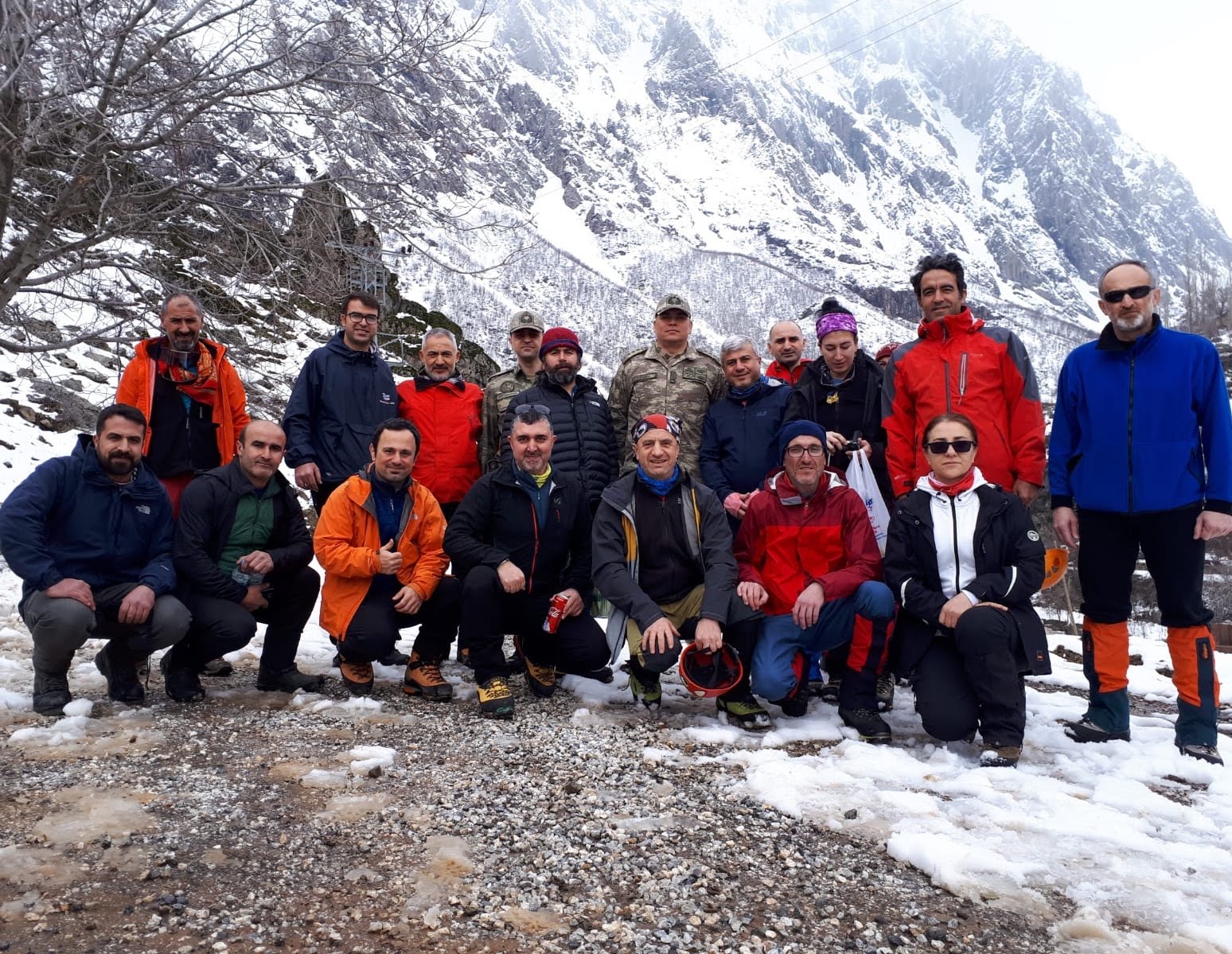
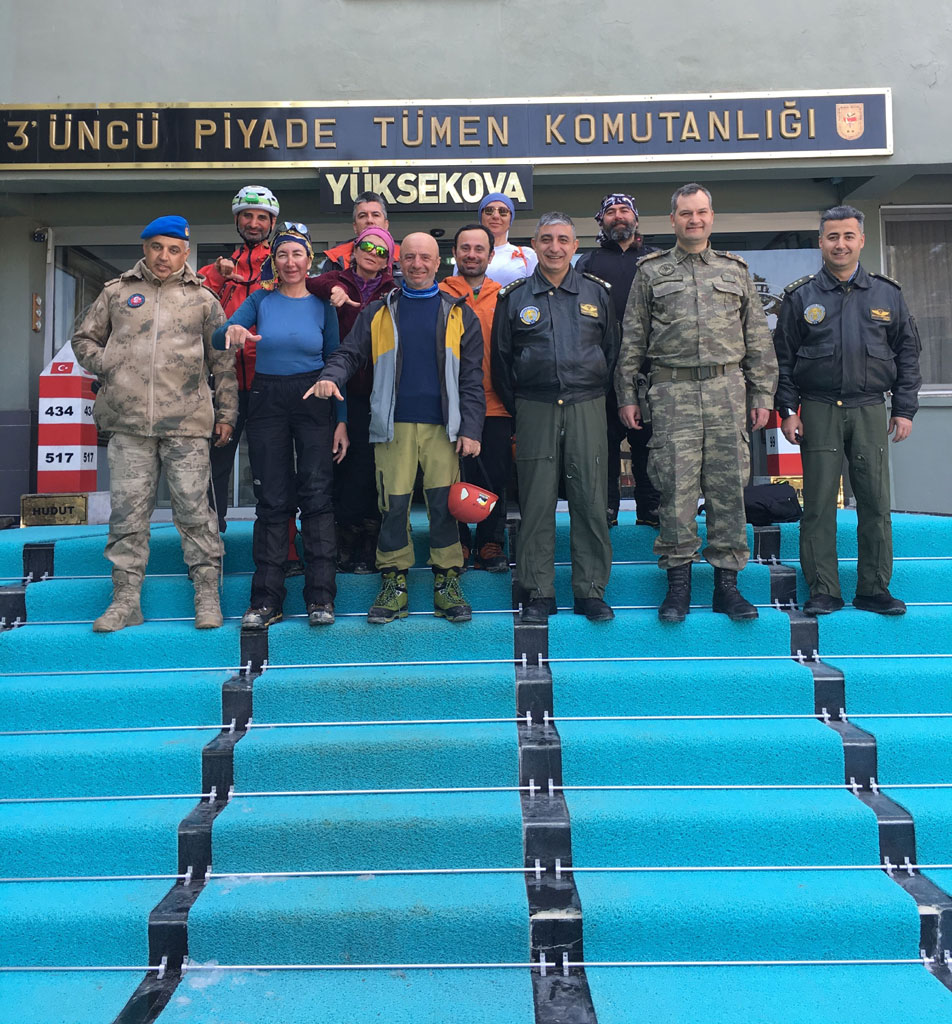
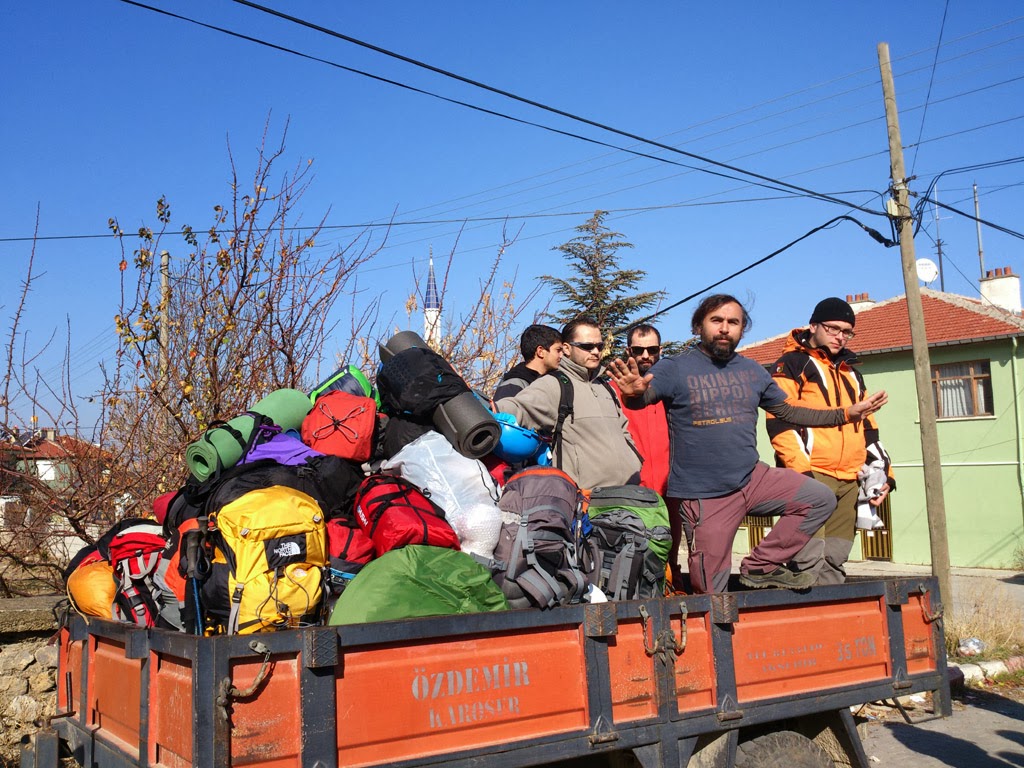
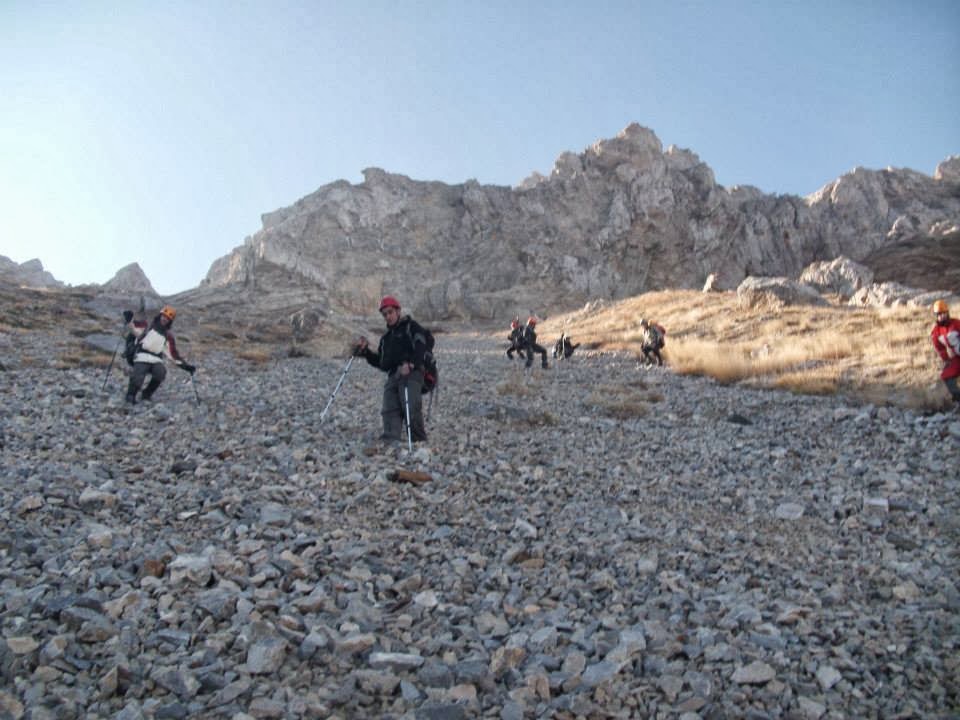
At the first light of morning, our full team of two minibuses arrived at Yeşiltaş military post. The Turkish soldiers welcomed us with warm hospitality in the freezing cold. The commander’s encouraging speech further ignited the climbing fire within us. When I had come in 2013, the procedure had been completely different — each of us had been asked, “Did you come here of your own free will?” I understood the security measures, of course, but for a team carrying heavy mountain loads, motivation was everything, and this commander gave us exactly the morale we needed. After taking a group photo shoulder-to-shoulder with the soldiers, we shouldered our heavy backpacks with high energy and took our first steps into the endless white.
Yeşiltaş Outpost: A snapshot with our soldiers—our greatest source of morale before heading up.
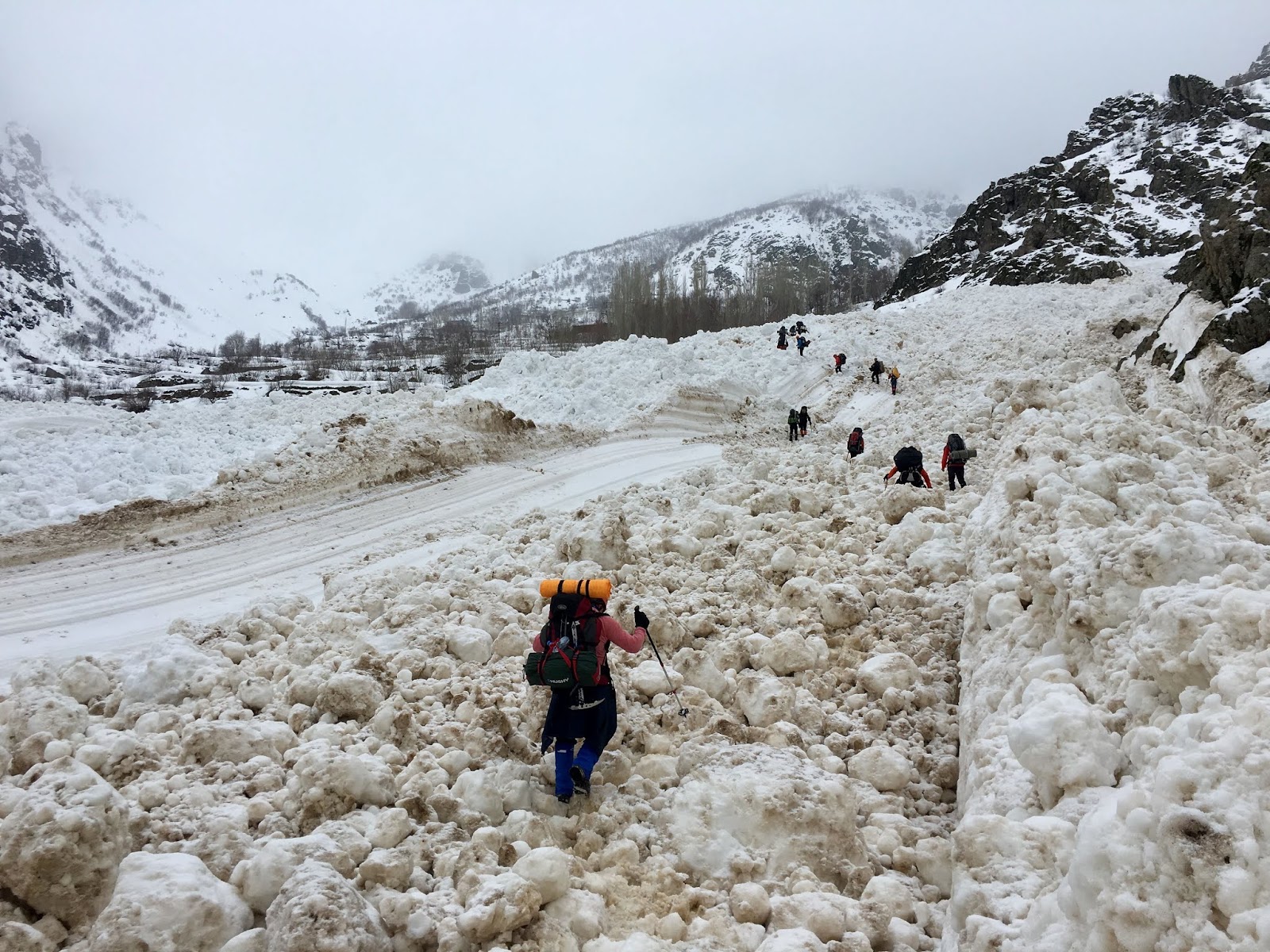
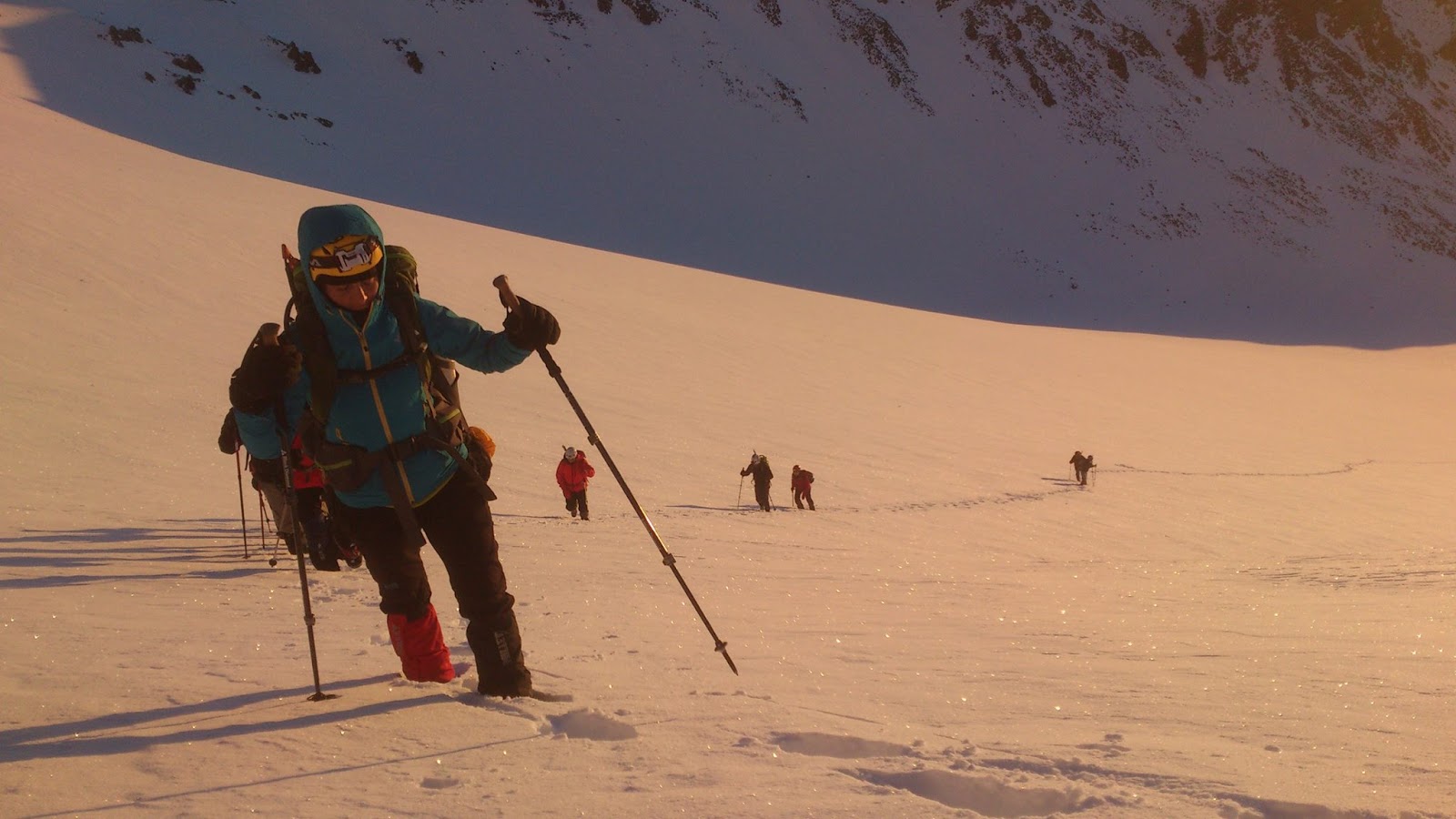
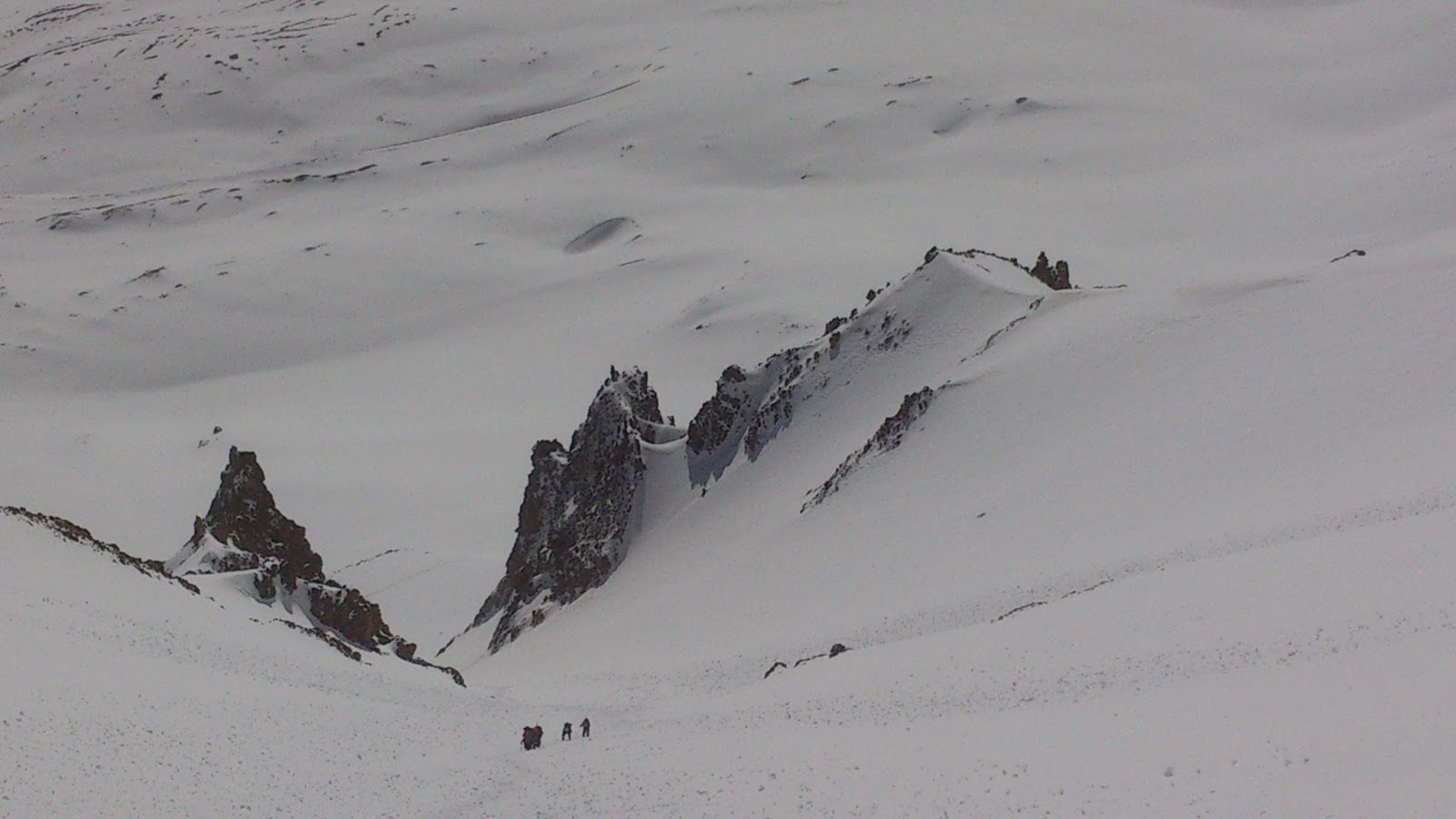
But nature was not smiling on us. Until we reached Serpel Plateau, we advanced through waist-deep wet snow and relentless snowfall. As we passed through endless avalanche-prone sections, a heavy silence fell over the team. The landscape was no different from the merciless Karakoram ranges in Nepal or Pakistan. If the first stage was like this, what kind of hell awaited us higher up?
Avalanche Couloirs: As majestic as the Karakorams in Pakistan; white silence shadowed by the threat of avalanches.
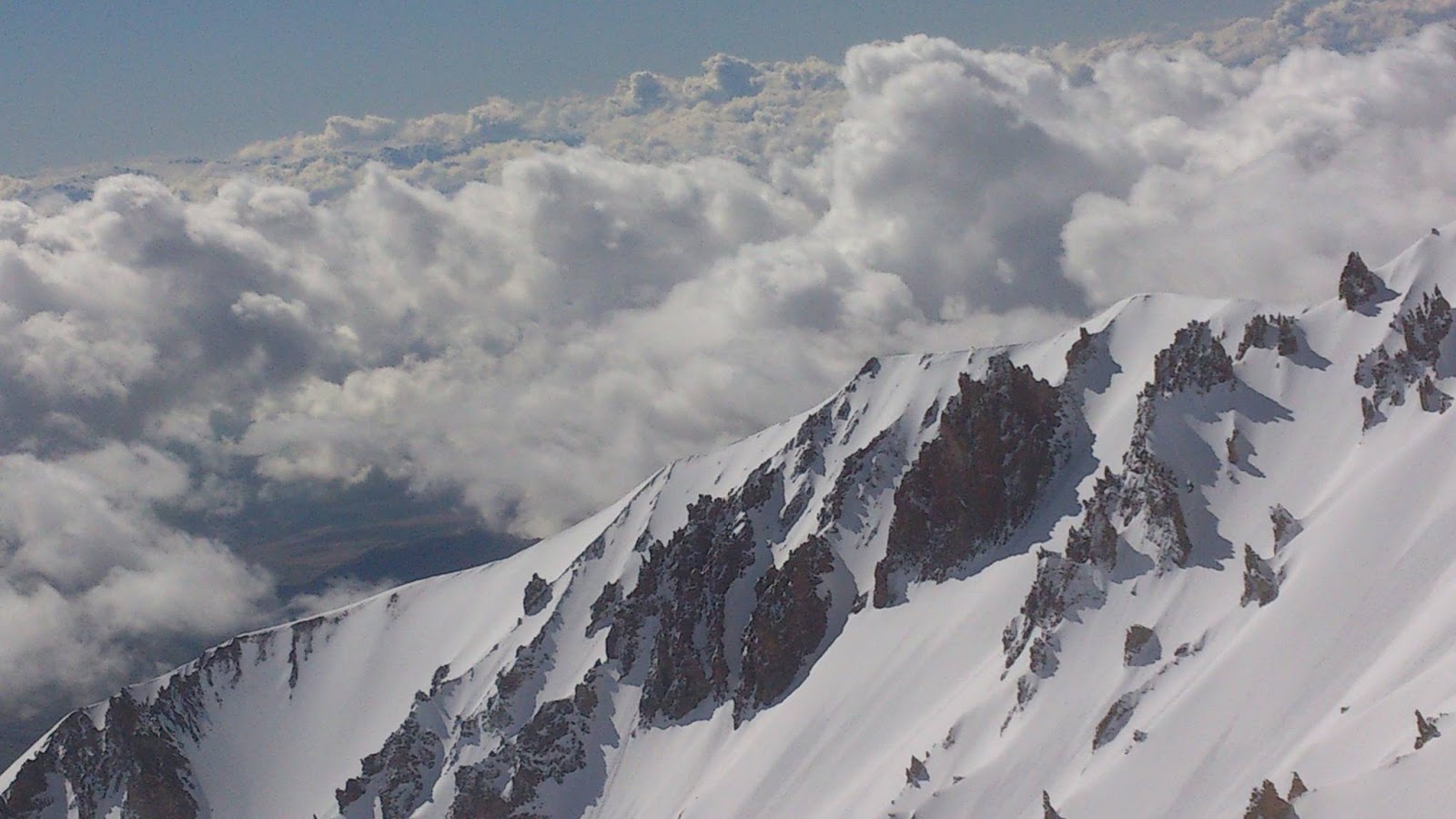
The Cilo Mountains are not only home to Turkey’s second-highest peak but also serve as the westernmost representative of the massive Himalayan Mountain belt. This is why the ‘Karakoram vibe’ we felt during the climb is no coincidence; it is a genetic heritage of the geography itself. Although the region resembles the Alps in its general appearance, it hosts the largest glaciers in Turkey.
Small Mistakes, Big Prices on the Mountain: Frozen Fingers
I had three pairs of gloves with me: inner, mid, and outer layers. Thinking that only the mid-layer would suffice at the start was the kind of arrogance the mountain does not forgive. By evening, my wet gloves began to freeze my fingers, while the dry ones waited in a hard-to-reach corner of my backpack. Saying “We’ll reach camp soon” and postponing the glove change out of laziness, the light numbness in my hands turned into a knife-like pain with the increasing wind. I almost paid for this mistake by frostbiting my fingertips. It taught me a vital winter mountaineering lesson: There is no room for laziness on the mountain, and life-saving gear must always be within easy reach! In Cilo’s freezing glaciers, choosing the right equipment is not a preference but a survival strategy.
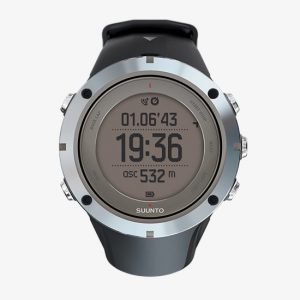
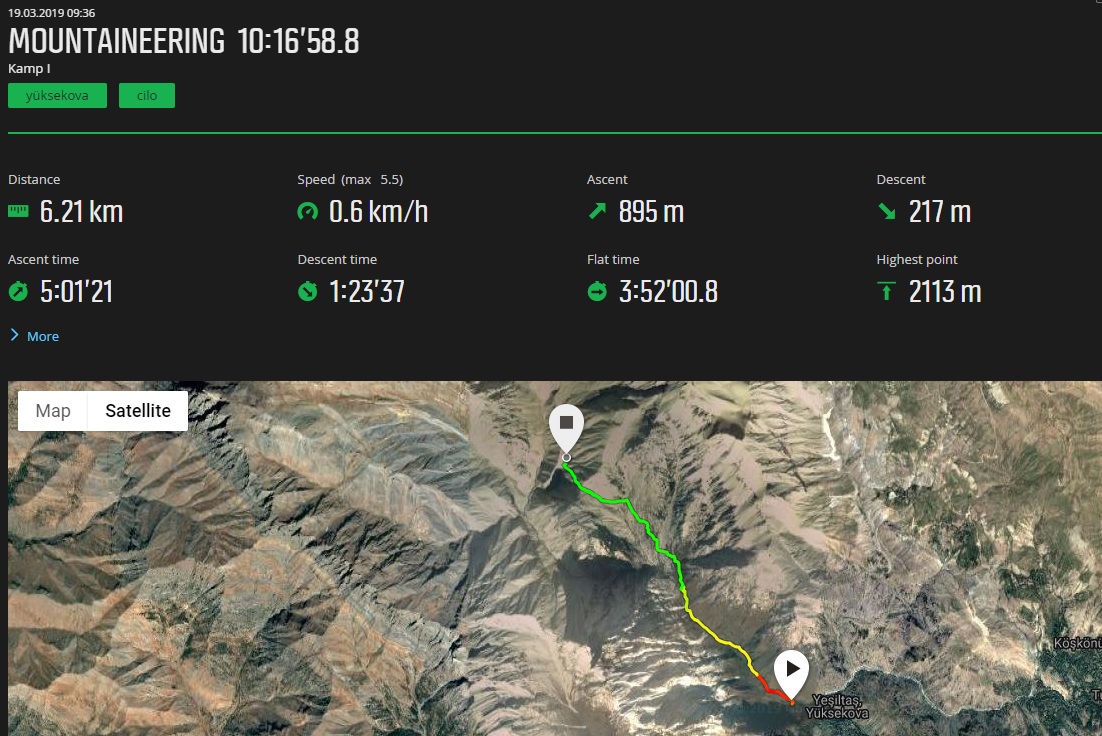
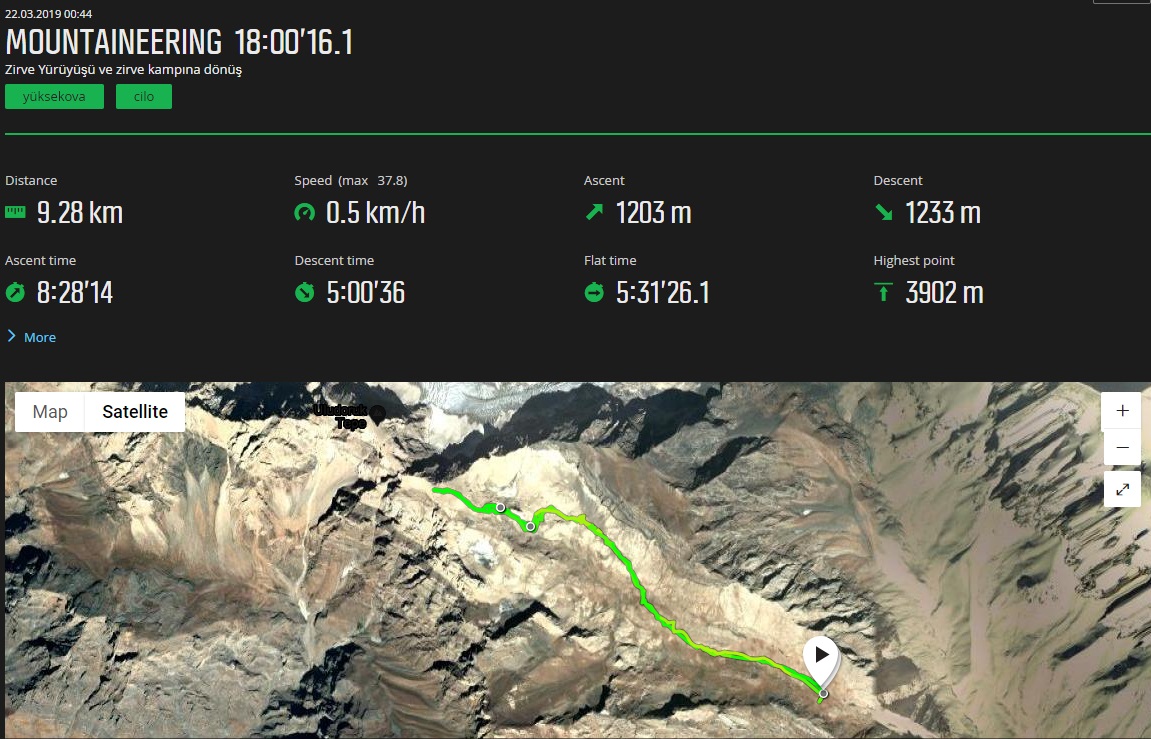
Activity stats to Camp 1 (Recorded via Suunto).
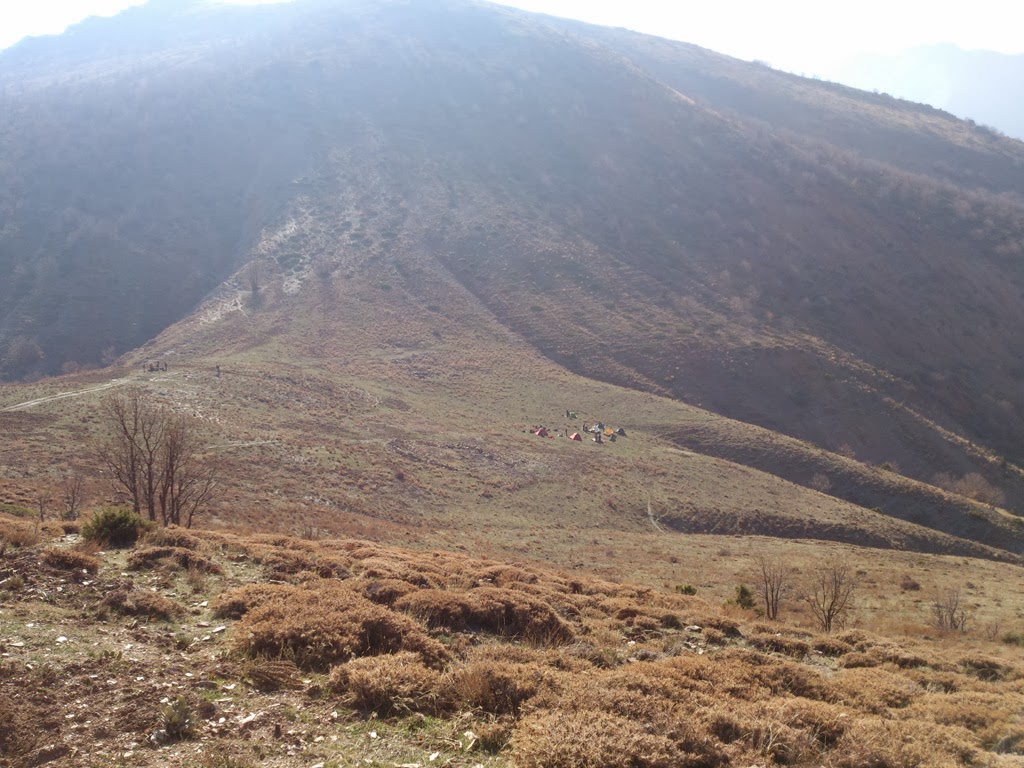
While local pack animals can help carry gear partway on summer climbs, no such support exists in winter’s harsh conditions. All the camp load and technical equipment was on our shoulders alone. We completed the grueling 6.5-kilometer route in exactly 10 hours and reached the Serpel Plateau camp at 2100 meters. However, the area’s topography offered no absolute safety; every slope carried potential avalanche risk. With a strategic decision, we chose a line where an avalanche had already occurred and much of the snow load had been released. We set up our tents as darkness fell. That night, slipping into my down jacket and down sleeping bag brought not just warmth, but the most primitive and pure peace that comes from simply being alive.
Day 2: Fetching Water from a 3–4 Meter Snow Wall and “The Grueling Azap Couloir”
The next morning, the sun had not yet reached our tents but was shining on the opposite slope. On the mountain, when the sun is close but not shining on you, you feel sudden and freezing temperature swings as if the door of a refrigerator is opening and closing. With our eyes on that first sunlight, we began breakfast preparations.
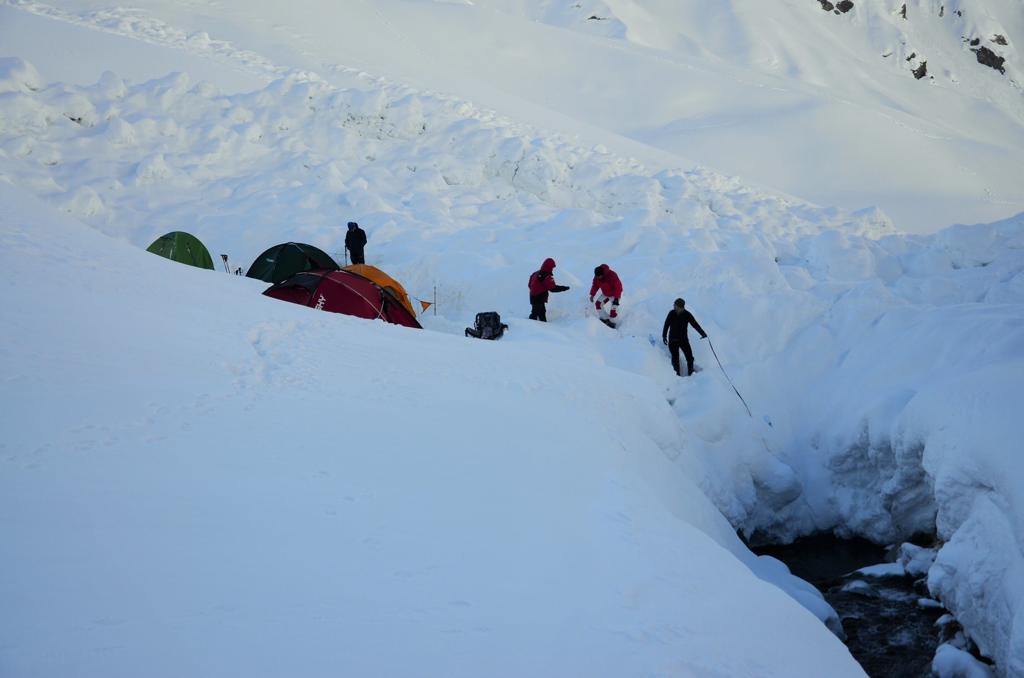
We needed to go down to the stream for water, but a 3–4 meter snow wall made it impossible. I tied an empty plastic bottle to a rope and lowered it. The light bottle wouldn’t sink and fill with water. I cut it in half and tried again, but when pulling it up, the rope didn’t drop straight like a well, so the water always spilled along the way. We could have set up a station and tried a proper rappel, but it would have been too exhausting while hungry and thirsty. Necessity is the mother of invention, they say. I brought my thermos, tied the rope to it, and lowered it into the stream like Eskimos fishing through ice holes. The heavy thermos sank easily into the water, and that tiny carabiner hole at its mouth became the most vital design wonder in the world at that moment. Thanks to that small opening, we pulled up clean water without spilling a single drop. It saved the entire camp. Otherwise, those valuable gas cartridges would go to waste, leaving the team stranded with that awful-tasting snow water—impossible to gulp down unless mixed with flavored drink powders.
Sourcing Water from 3-4 Meters of Snow: The struggle is real.
The 800-Meter Climb That Forged Our Will
The previous day’s avalanche terrain and brutal weather had broken the resistance of some team members. During the technical meeting, several friends decided to turn back. We took their gas canisters and extra food and said our goodbyes. After seeing them off with a local guide, the loads on the backs of those who remained became even heavier.
Heavy Packs: Full camp gear and technical equipment on our backs; winter mountaineering at its most raw and exhausting.
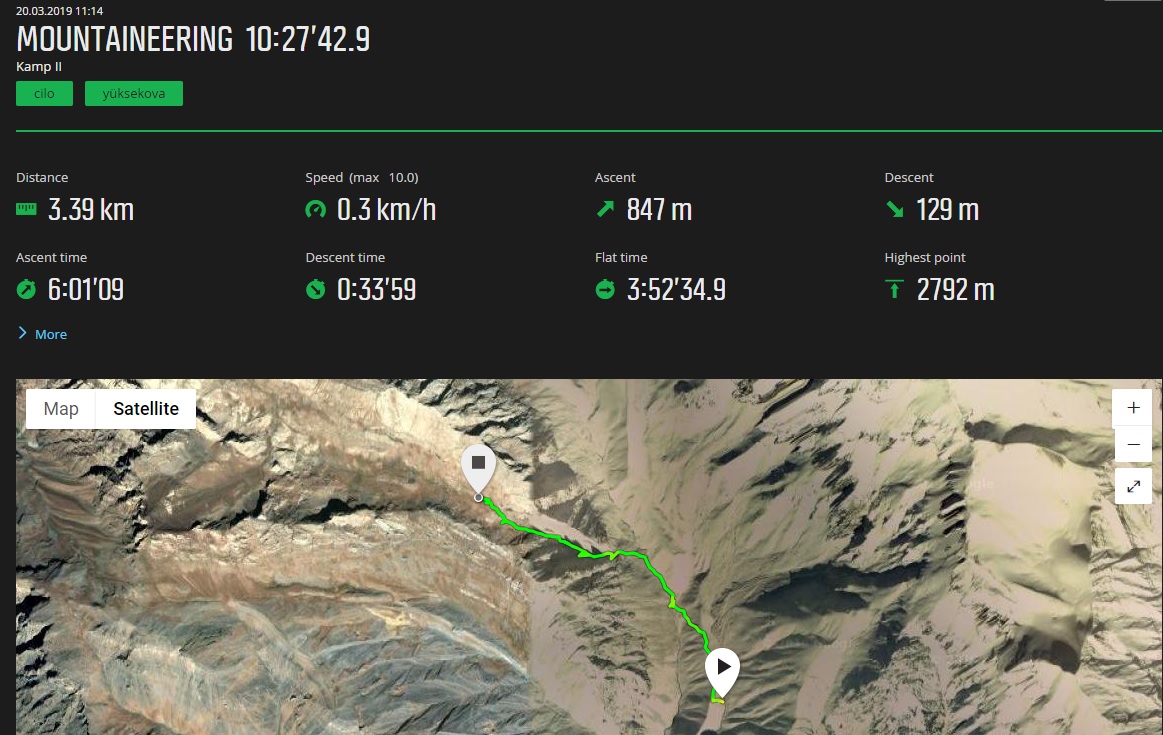
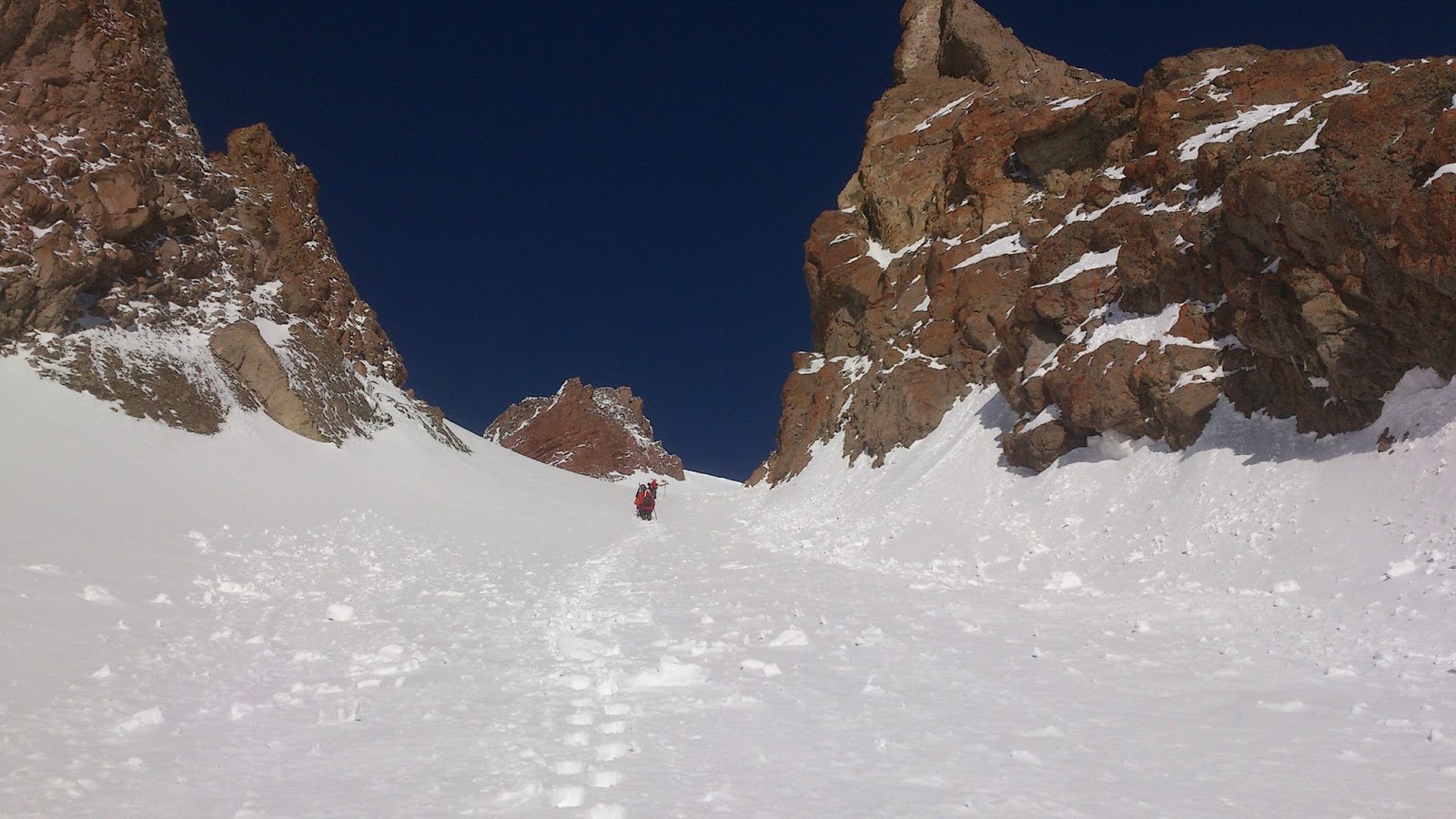
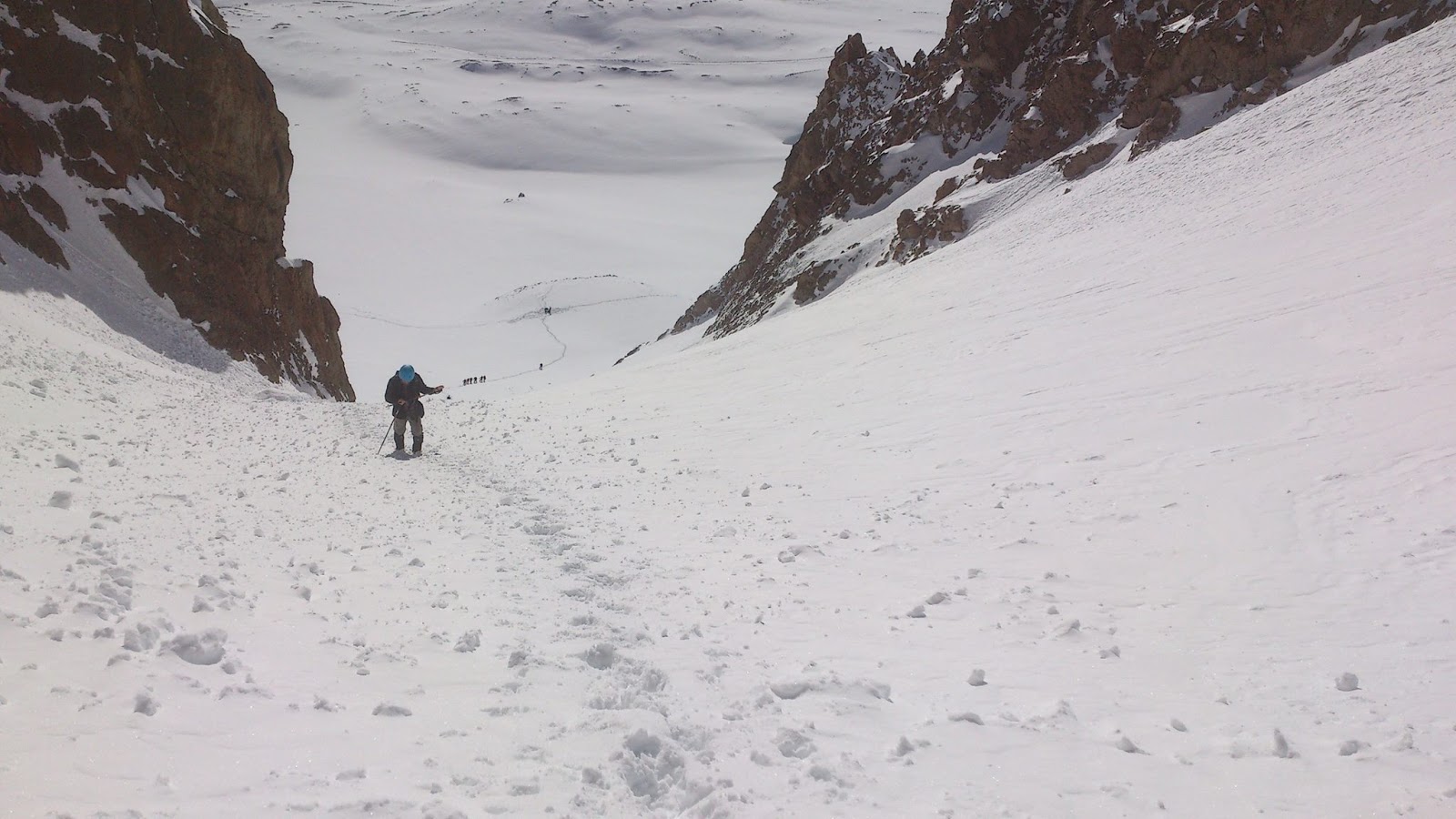
To reach Horkedim Plateau at 2900 meters, we faced the steep and merciless 800-meter section we named the “Azap Couloir” (Couloir of Torment). My backpack, which also contained a 5.6 kg tent, felt as heavy as lead. Stepping through knee-deep snow was like drilling into an oil well. Breaking trail under that terrible weight was not something you could endure for money. It could only be done with unshakable faith and tremendous team spirit. Around 22:00 at night, we managed to set up our second camp about 100 meters below our target. We were exhausted, but our will was still standing.
Under Constant Watch: Monitored continuously from afar. Suunto Tracked Activity Stats: Trail to Camp 2.
Day 3: Summit Plan and Midnight Start
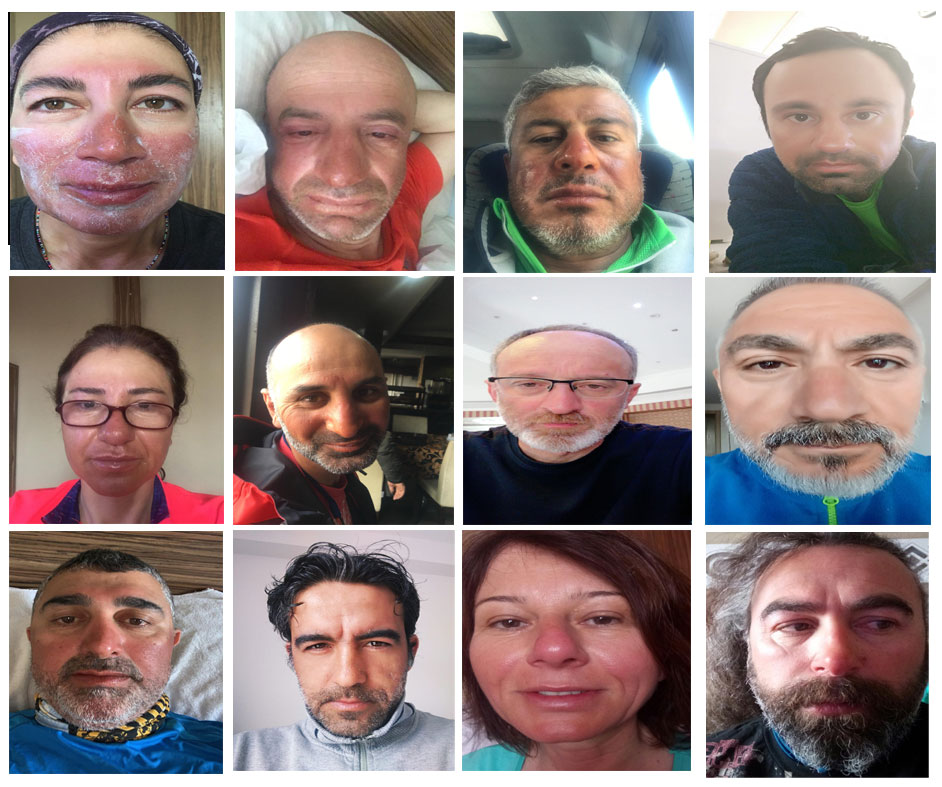
Today was a rest day, allowing us to fully enjoy camp life. While we were busy with laundry and camp logistics after breakfast, Sönmez stepped in front of the lens as our model. We experienced once again that the mountain sun is no joke; stepping out without factor 50 sunscreen is far riskier than a tanning bed. Sönmez’s 20-minute ‘modeling’ stint left him with sunburns as a souvenir. To expand our comfort zone, we didn’t neglect building ‘squat-style’ toilets by cutting through snow blocks. While these structures provide great comfort and hygiene in the wild, we were still defenseless against the overhead drones 🙂
The brutal mountain sun: Sneaky burns as a souvenir of Sönmez’s 20-minute modeling session.
In the afternoon, we gathered in Sönmez’s tent for a technical meeting and made the critical decision: the summit push would begin at midnight, 00:00. As darkness fell, everyone retreated to their tents to gather energy. However, sleep had never been something that came to me on command. While my tent mates quickly drifted into deep sleep, I lay inside my sleeping bag with my eyes wide open, staring into the darkness.
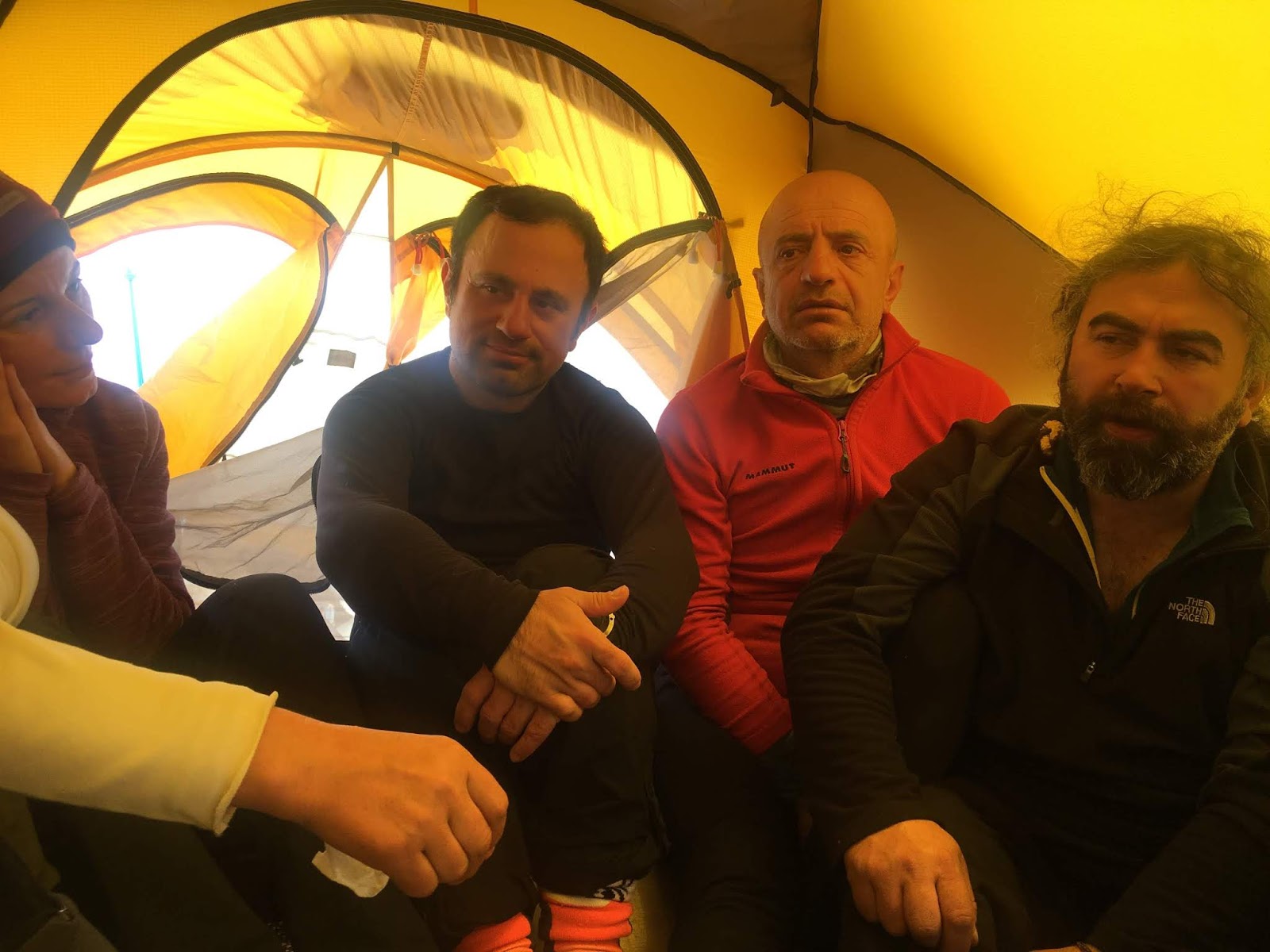
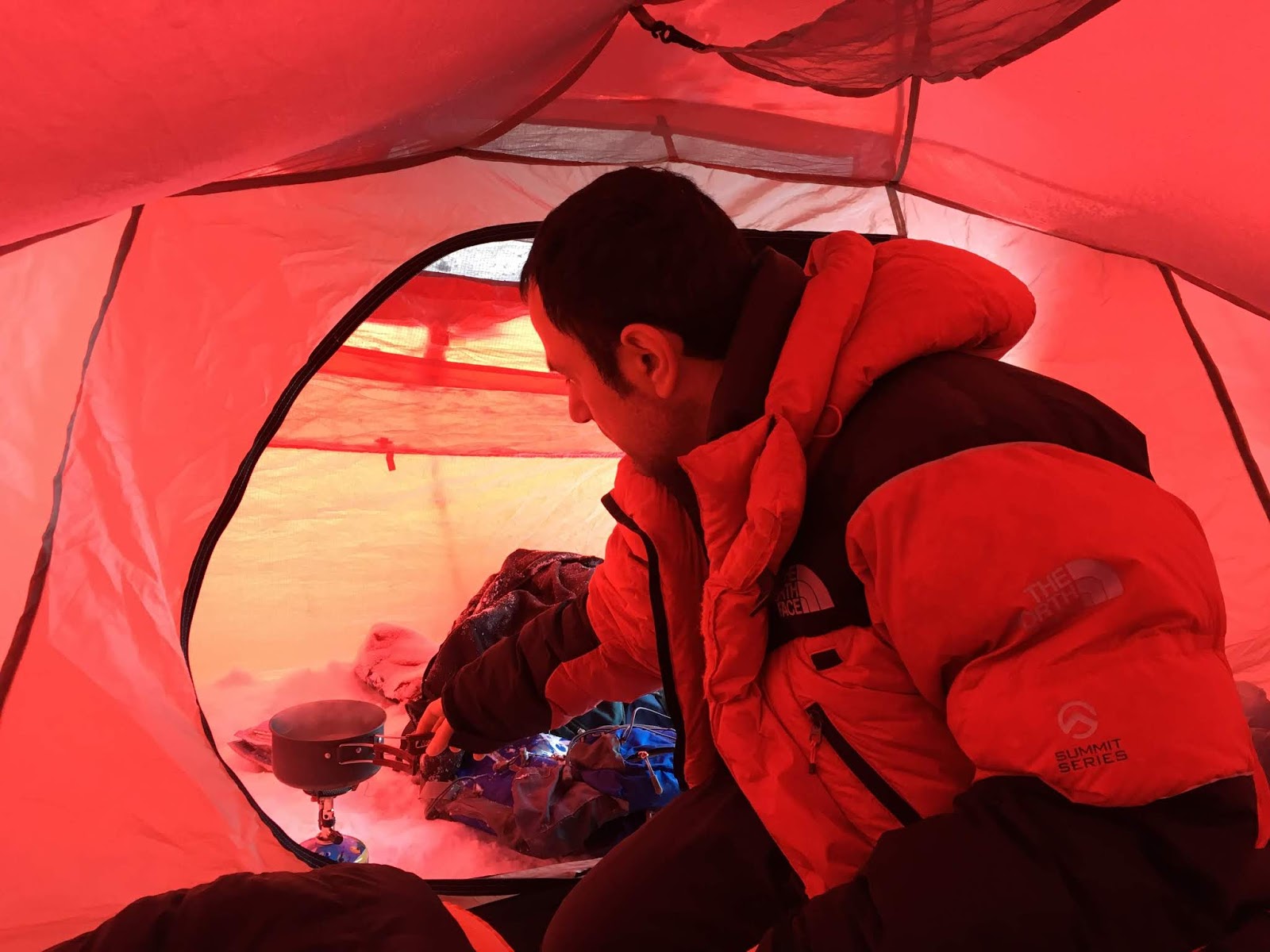
Technical briefing in Sönmez’s North Face tent.
The heavy tension before the summit attempt was accompanied by the mechanical buzzing of UAVs circling overhead. During my 2013 climb, these drones had flown almost directly over our camp, completely robbing me of sleep at night. The technology must have advanced considerably over the years, because this time they were flying much higher. Although their sound was fainter than before, that thin, relentless buzzing still made its presence felt in the mountain’s solitude.
Of course, the UAVs outside weren’t the only problem. Inside the tent, a completely different battle was taking place. At high altitude, my relationship with sleep was as bad as ever. But the real entertainment was the secret competition that mountaineers rarely admit to, yet we all know very well: the race to fall asleep before the Snoring Symphony begins.
The rule was simple: If you couldn’t reach the harbor of deep sleep before your rivals, you were doomed to sit through the loud, merciless concert that would last all night. That night unfolded exactly as expected. My friends had won the race and had already begun their performance. Meanwhile, I remained awake, listening to the mountain’s silence between the drones outside and the snoring orchestra inside.
Day 4: The Thin Line Between Life and Death at 4000 Meters
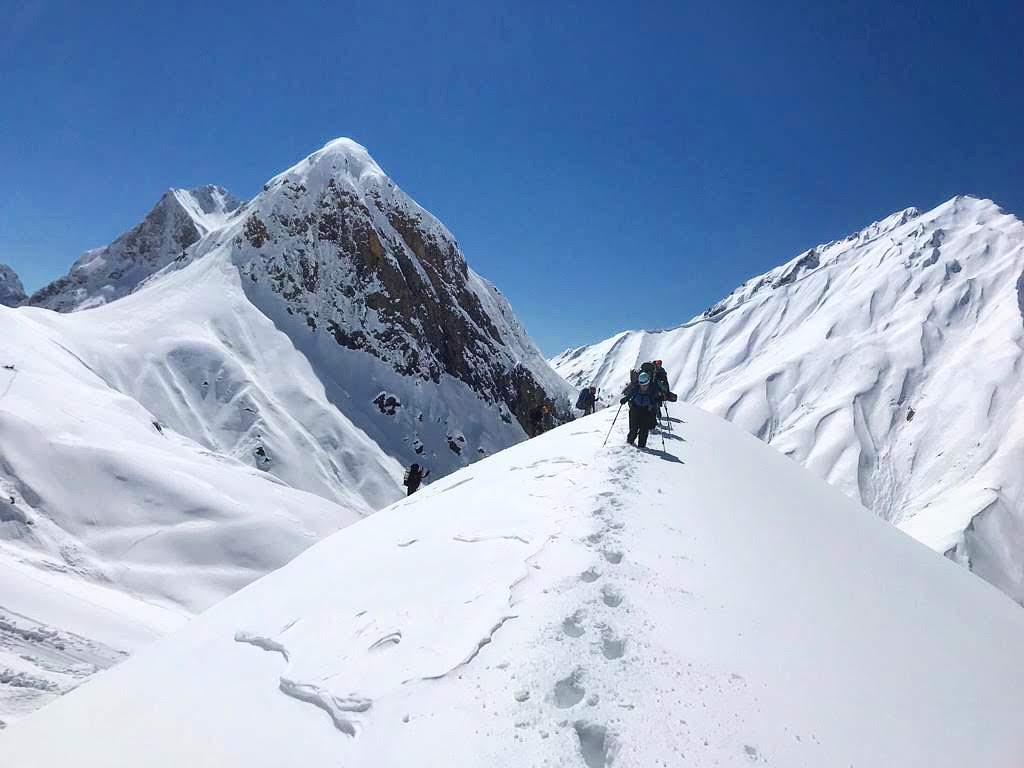
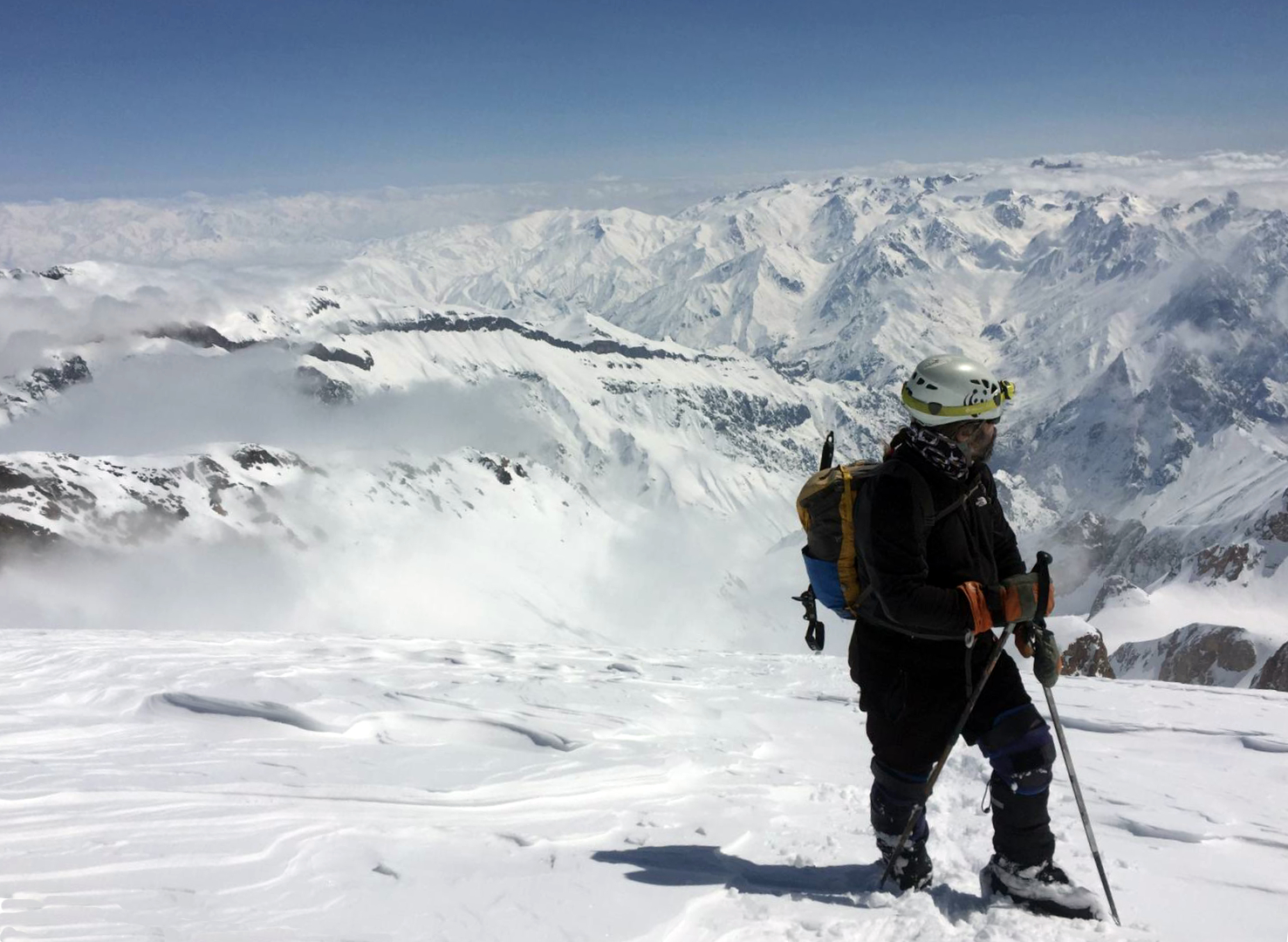
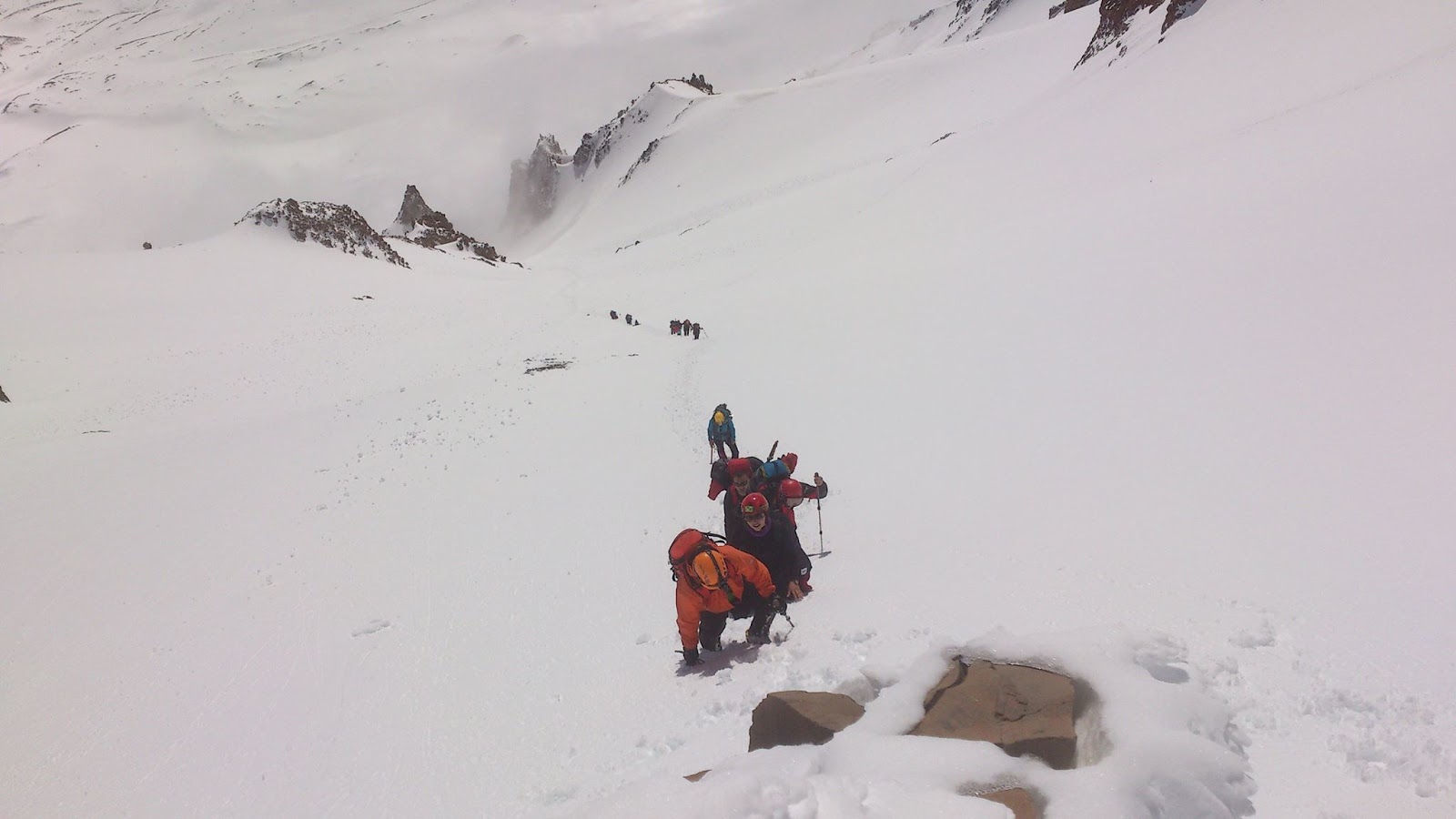
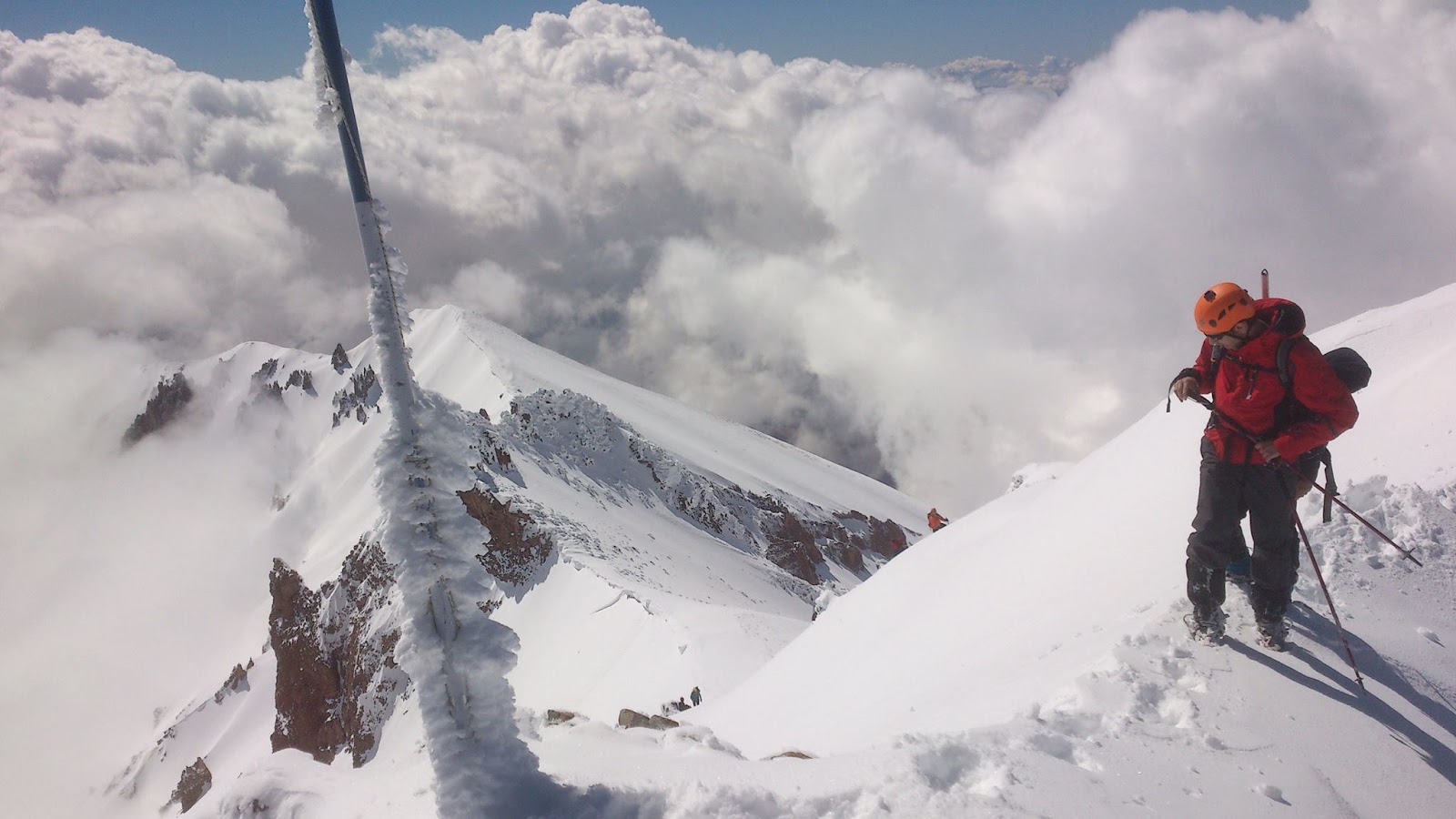
At around 01:00, we were on the summit route. We walked without stopping until dawn. Toward midday, the greatest psychological torture of summit climbs began: the “false summits” were wearing us down. Every time I crested a rise, I would think “This is the summit,” only to face another one behind it. The steep section between 3700–3900 meters was extremely tiring. With a clear blue sky above and a white hell below, I felt like I was dying of thirst in a horizonless desert. At one point, I deliriously wished the drones circling above would drop cold water on us.
Testing our patience against false summits. An “egg carton” landscape: Endless rows of identical peaks and valleys.
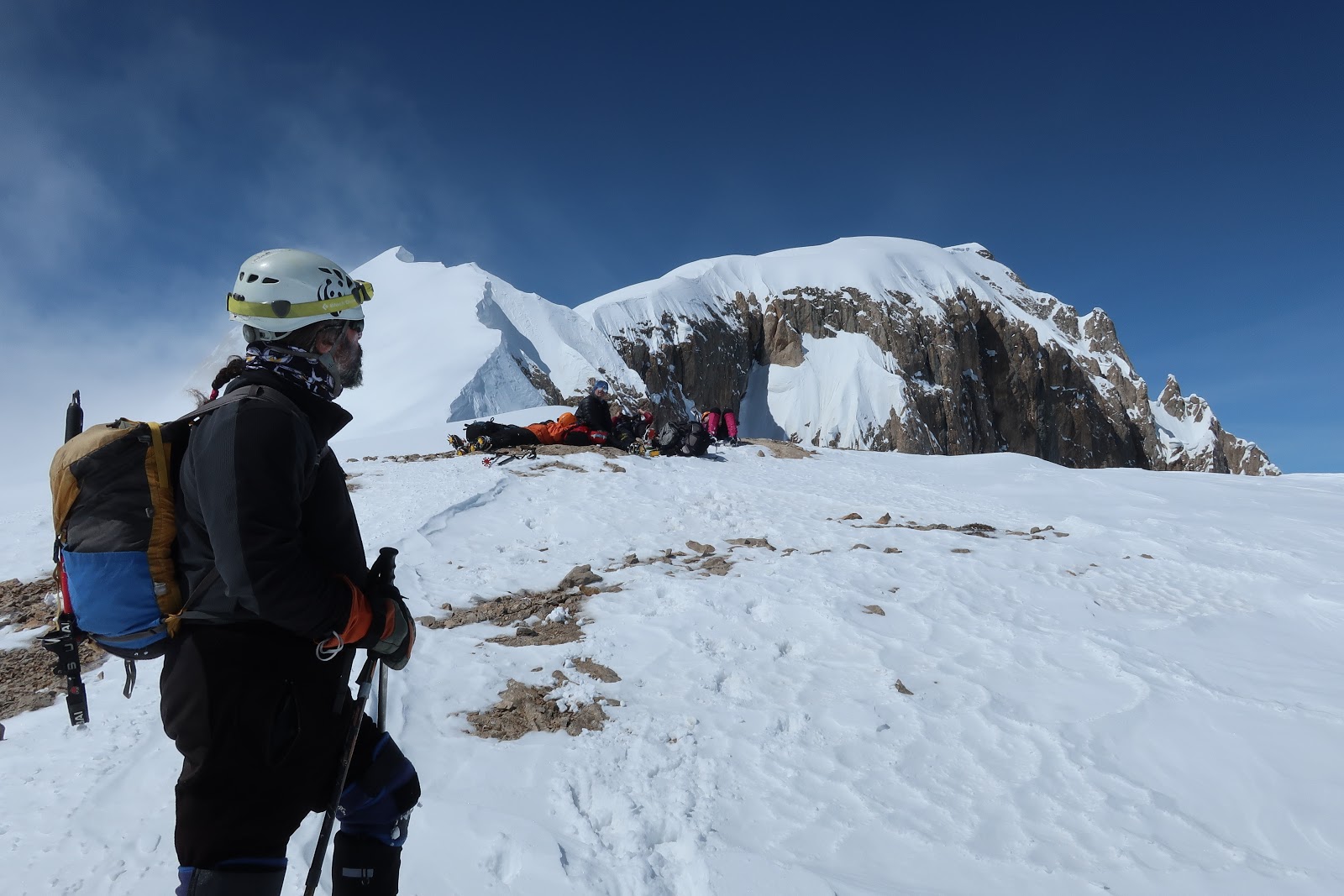
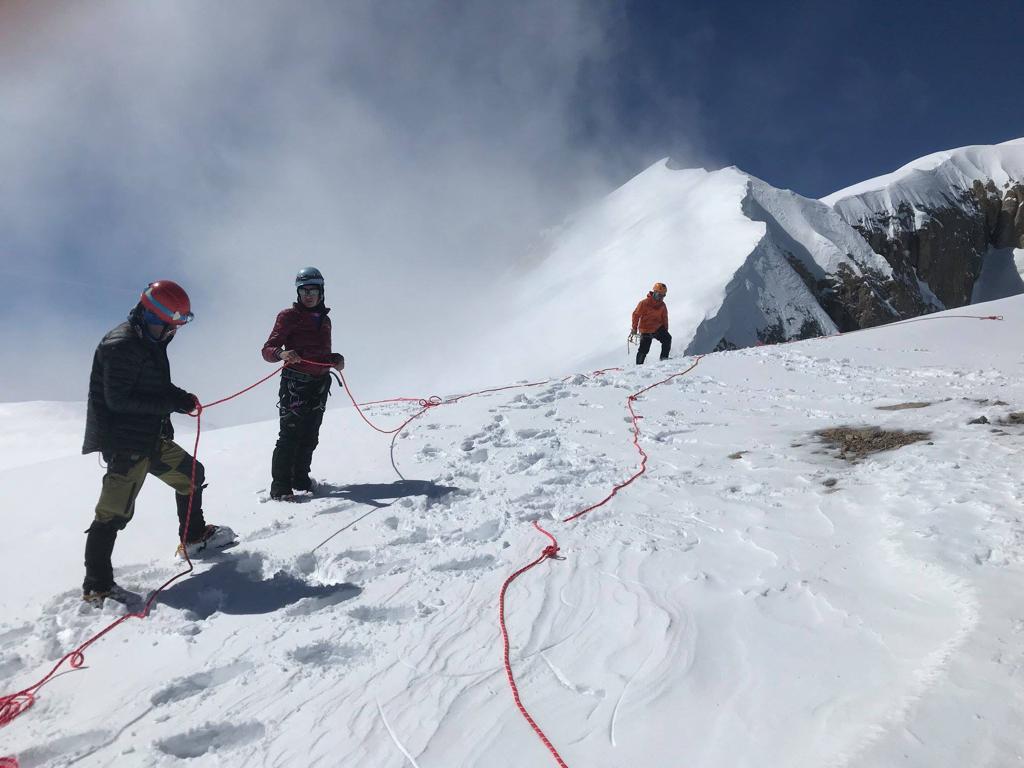
By afternoon, we reached the 4000-meter plateau. Only 135 meters of elevation gain and a technical knife-edge ridge that would take at most 1–2 hours remained. After a short break, we roped up. Sönmez, at the front, said: “If I shout ‘Attention,’ everyone drop to the ground and plant your ice axe — we’re doing a fall practice.”
Midday on the 4,000m plateau. Quick rest stop.
A few minutes later the shout came, and we all reflexively dropped. Just then, the weather began to deteriorate and fog rolled in. While the leader was praising our reflexes, he had no idea that nature was about to conduct its own much harsher drill.
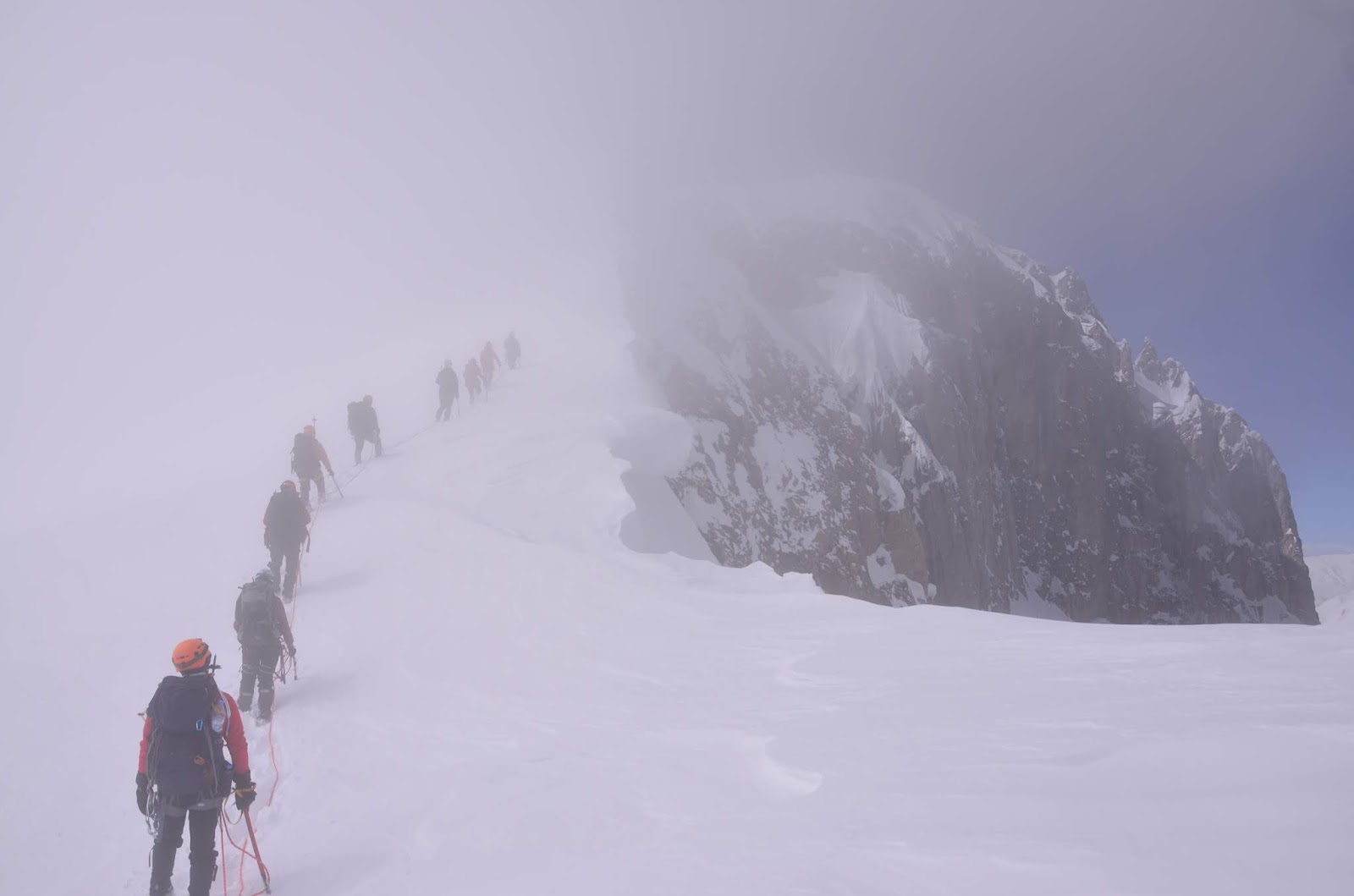
Roping up… The fog is light and visibility is good.
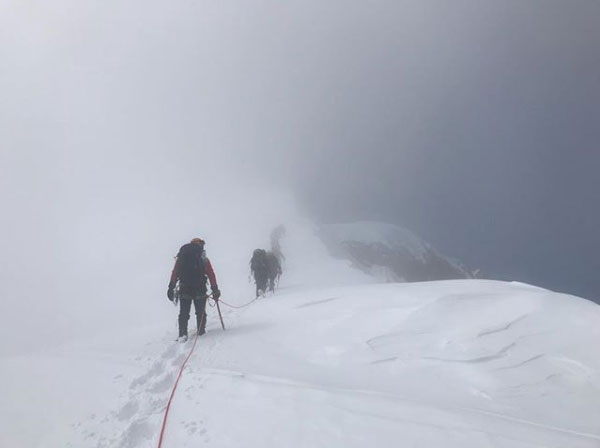
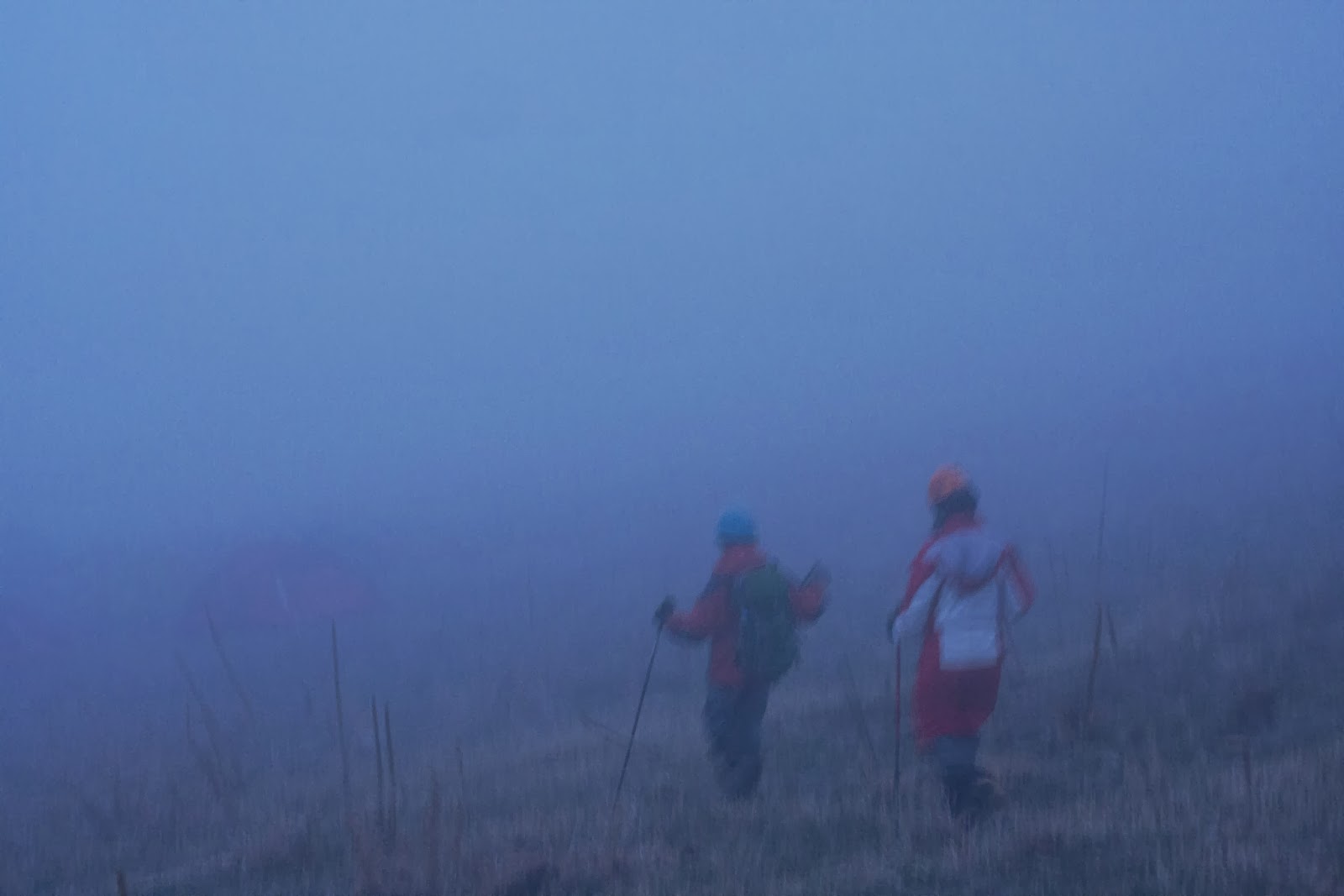
If you’ve watched the movie Everest, you’ll remember that breaking point in the second half when the massive dark clouds arrive and tension suddenly explodes. That was exactly how it started for us. The dense fog that enveloped us suddenly reduced visibility to 30–40 meters, and in places plunged us into complete whiteout uncertainty.
Shortly before the terrifying collapse.
The Crack, the Abyss, and the Terrible Question: “Should I Unhook?”
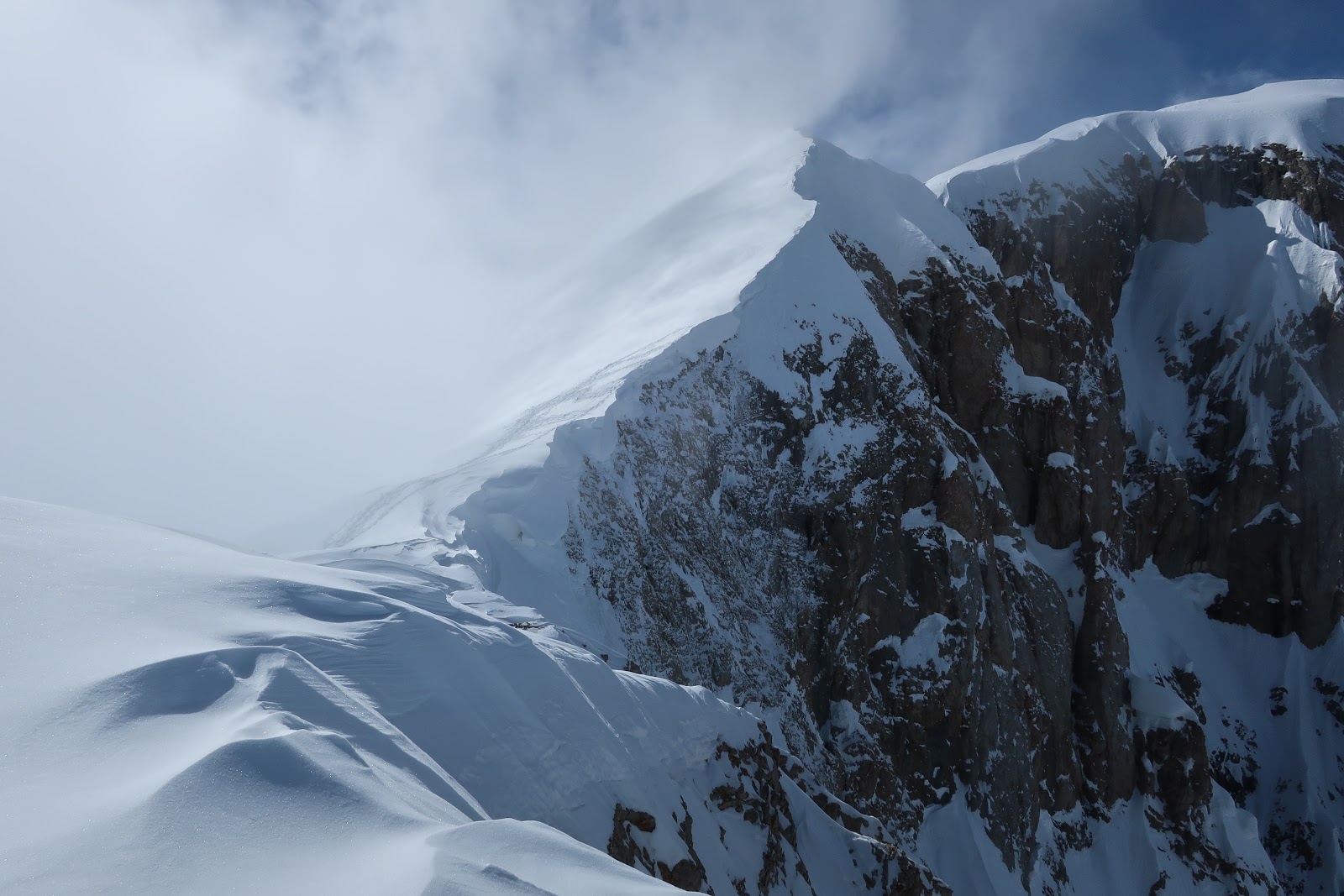
We had barely taken a few steps after standing up when that sharp, deep-seated crack of the snowpack tore through the air. With a short earthquake-like jolt, the massive snow mass on the slope slid toward the abyss with a tremendous roar. The two women friends at the very front of our ten-person team — positioned on the north-facing side — plunged into the abyss as the cornice gave way. We all screamed and jumped left, plunging our ice axes into the snow. When the sliding stopped, no one moved. I felt like I was on a movie set. But this was real.
Someone yelled, ‘Fell!’ Then another voice, higher-pitched: ‘They fell!’ Everyone was shouting at once, but the words overlapped, losing all meaning. No one dared approach the cliff edge out of sheer fear. We couldn’t tell which part of the cornice—stretching out as a flat white sheet—was solid ground and which was empty air. We were trembling with the fear that another break might occur, sending us all hurtling down together. There it was—that fine line between life and death. White from below, blue from above. Just two steps away from me. We had always walked along that line, but now we were inside it. Inside it, beyond it, right in between.
Were they still there, or had they let themselves go into the endless void? Like everyone else, I stayed frozen in place, holding my breath, trying to understand what had happened. I lifted my head and looked around. Who was missing? The snow could set another trap at any moment. I held my breath. We were alert like soldiers waiting for the next move in their position — except this time our enemy was invisible; it was the white silence beneath us.
There was slight tension on the rope, but we weren’t sure. It wasn’t like checking the weight on the end of a fishing line; it was like trying to feel the heartbeat beating at the end of that rope. In that terrifying moment right after the initial shock and shouting, a sudden silence gripped everyone. The silence was broken by faint, wind-shattered meaningless sounds coming from below. Those incomprehensible syllables were the only proof they were still alive.
Sönmez’s sharp command ‘Quiet!’ cut through the chaos. In the mountain’s deafening silence, he called down: ‘Are you okay?’ The replies came back muffled and distant — voices from a place where the rope disappeared into white emptiness, where their ice axes and backpacks had already surrendered to the void. Their shouts reached us only as broken fragments carried by the wind. I thought about how I would feel in their position. Does a person watch their life flash before their eyes like a film reel, or feel the pain of unfinished dreams and unlived loves in their chest? I don’t know… But each of those seconds felt as heavy and long as a lifetime.
Just before the cornice collapsed: A moment of eerie silence where life and death were suspended by a rope.
In the midst of that chaos, Sönmez acted with professional calm. He drove his ice axe deep into the snow and began building a solid anchor. He transferred the terrifying load on the rope to the anchor, secured the entire system, and finally unclipped himself from the rope team. Right behind him, Recep Abi (Kulaber) lay face-down on the edge of the abyss; the taut rope running across his throat had become a merciless vise, making it difficult for him to breathe. Once freed from the load by the anchor, Sönmez moved carefully along the line to the edge and made the first critical contact with those hanging below.
At that exact moment, still in shock and under the influence of adrenaline, the friend in front of me asked twice, “Should I unclip?” He had a plan in mind to do something with his own ATC device, but on that steep slope, unclipping would transfer the load to the rest of us. We didn’t know if we could hold the weight if a second person left the rope. So we all shouted “No!” with icy determination, and he hesitated. I, right behind him, was burning to ease the deadly tension on Recep Abi’s throat, but with every muscle tensed like a statue, I waited — knowing that the slightest movement on the rope could send those below into the void.
On Sönmez’s command, we slowly crawled left. These small movements brought our hanging friends a little closer to the slope. Now we could hear their voices clearly. We lowered a helper rope with a carabiner on the end into the void. The first two attempts failed as the wind blew the rope away…
It was in those very seconds that I witnessed the most shattering and purest side of the human spirit. The friend hanging on the edge of death asked the hair-raising question: “Should I unclip from the main rope” That meant letting herself go into a hundreds-of-meters-deep void. What seemed irrational to us at that moment was actually an epic act of sacrifice: She had realized the main rope was jammed on the cornice and that both of them couldn’t be pulled up together, so she was ready to give her own life so the other could live. It was the moment when the selfish instinct inside a person gave way to heroism in seconds. Of course, we did not allow it.
Finally, in one of the later attempts, she caught the helper rope, clipped it to her harness, and unclipped from the main rope. The first hand rising from the dark silence of the abyss appeared like the most powerful and magnificent crescendo of a grand symphony. We all stood in silent prayer for our friends to rise complete from those depths.
Seeing them back in daylight, alive and beside us, created an immense relief that squeezed our chests. The first moment when the friends who had returned from the brink of death embraced each other was an instant where words failed — only sobs and tightly clasped hands spoke. What we felt in that moment was far beyond fancy words: Someone was crying, but laughing too. Sönmez’s hand was trembling; he still hadn’t let go of his ice axe. Recep Abi collapsed to the ground, covering his face with his hands. No one was speaking, yet everyone was touching one another—a shoulder, an arm, a back… In that moment, touch was the only language that could speak. That day, we had not only pulled two lives but also our team’s shattered spirit back from the edge of the abyss. We had no physical wounds, but our souls were deeply shaken by the crack of that cornice.
The aftermath of the slope after the snow broke away.
The Greatest Courage: Turning Back
After the incident, we sat in a circle on the snow. Everyone’s opinion was asked one by one. Some of us said we had worked hard to reach this point and that we could continue. They weren’t entirely wrong; for a reader who has never been mountaineering, the logic behind that insistence is hard to understand.
The cost of every attempt: Preparation for this expedition begins months in advance — conditioning training, acclimatization climbs to gradually adapt the body to high altitude, time off work, official permits, plane tickets, equipment renewal… On top of all that come material and logistics costs. For a winter climb like Cilo, the per-person expense can strain the monthly budget of a middle-class family. As you approach the summit, with every new meter climbing toward the sky, the costs climb at the same pace. Moreover, despite all this effort, the weather may not cooperate, permits may not come through, or the team may not form completely. How many times in a mountaineer’s life can all these conditions align at once?
As we sat within that circle, debating the question ‘to continue or to turn back?’, the calculation in everyone’s mind wasn’t just about today’s risk. Months of preparation, money spent, permits secured, lives put on hold… All of these formed an invisible weight that whispered ‘one more step’ at the edge of the cornice. This is what they call ‘summit fever’; that dangerous sensation just 135 meters below the peak, where everything you’ve invested calls you back. It is in these moments that the ‘no turning back now’ psychology takes over. And that is exactly why the decision to turn back requires far more courage than the decision to climb on.
Yet ahead of us lay a ridge where the same event could happen again and again. The route ahead gave no clue whether the next step would land on solid rock or a snow cornice hanging over emptiness. White can be as beautiful as it is deadly. Reşko, which means “Black Mountain,” was calling us dressed in a pure white shroud — but the price of that invitation could be very heavy.
Most of our physical and mental strength had been spent on the rescue mission. With our food stocks running low and our morale wavering, we couldn’t afford to wait even one more day. We understood then that you can’t negotiate with the mountain. The expenses, the lost time off, and the exhausted muscles were irrelevant if we were to return home with a single member missing. We decided by majority to call off the ascent. We knew the mountain wasn’t going anywhere; it would remain there in all its glory, waiting for us to return stronger during a future winter season.
Was Roping Up a Lifesaver or a Disaster?
Every decision made on the mountain sets the bill for the next step; sometimes a move that seems “wrong” can prevent a much greater catastrophe. Now let’s turn the spotlight on ourselves:
A reader from the mountaineering community could, of course, criticize our decision to rope up from a technical perspective. But there are two sides to the coin: If we had been moving in small groups of only 3–4 people at that moment, when the cornice broke, 1–2 people probably couldn’t have held the two who fell, and the entire 3–4 person group would have been dragged into the abyss together. On the other hand, tying too many climbers to the same rope could have created an uncontrollable mass and increased the scale of the disaster. This is a razor’s-edge decision that must be considered carefully on every climb.
In our case, deliberately placing the lighter members at the front and spacing them out was a conscious and vital choice. If heavier climbers had been at the front, the momentum created during the fall could have pulled all of us into the abyss. Having lighter people lead was the right strategy that allowed us to manage the rope tension and the impact of the fall.
However, there is one point where we must criticize ourselves: Having the entire team drop to the ground at the same time for a fall practice in that critical section was a risky decision. Concentrating the static load at a single point may have weakened the snow mass and triggered the break; this practice should have been done in a much safer area. Still, nature has a strange mathematics: Perhaps it was “lucky” that the break happened during the ascent. If the mass had broken while we were descending on the same tired tracks after summiting, our reaction time would have been much shorter and we could have faced an impossible situation.
Another critical factor was the deceptive atmosphere created by the fog. In mountaineering, we all know that fog means ‘stop’; however, the Cilo summit ridge didn’t present us with a stable cloud of mist, but rather a constantly shifting game. The ‘white darkness’ would roll in instantly, reducing visibility to zero, only to disperse a few minutes later as if it had never been there, clearing the path. This volatile and erratic weather may have caused us to inadvertently approach that deadly edge of the slope, the very heart of the cornice. The instability of the fog paralyzed our sense of direction, leaving us unable to distinguish the fine line between solid ground and the void of the cornice.
Summit Push and Return to Summit Camp statistics (Recorded by Suunto).
Suunto Watch Animation: Mount Cilo Climbing Route.
Mount Cilo, at the 4,000m plateau…
Leaving behind the impenetrable veil of mist that had come between us and the summit, we began our descent toward the camp, following our own footsteps. With every stride, the weight of exhaustion grew heavier, and the impact of the difficult decision we had just made resonated in our silence. We had been on our feet and on the move for 18 hours; this had taken a significant physical toll on us.
When we finally reached the high camp, it felt as though the mountain had settled its score with us for the day. We retreated into our tents for a period of deep silence and rest. Yet, that night’s repose was less about recovering from the climb and more like a preparation for the unexpected turn of events awaiting us in the morning—a process that would completely alter our plans.
Day 5: The Value of a Cup of Hot Tea
The next morning, we woke up with the joy of being alive and seeing the first rays of sunlight again. Two different moods prevailed in the camp: the rush of two friends trying to catch their evening flight, and our desire to savor the moment and descend at a relaxed pace.
We tried to convince them, saying “You can’t make it in this exhaustion, don’t take the risk, go tomorrow,” but work responsibilities weighed heavily; they were impatient to set off as soon as possible. After discussions, Sönmez finally allowed them to leave. While they rapidly lost elevation, the rest of us in camp enjoyed that unique breakfast and the pleasure of steaming hot tea.
Savoring breakfast and the comfort of steaming hot tea.
A simple cup of tea that seems ordinary in the city becomes the first warmth spreading through your body after a freezing night on the mountain; its value cannot be expressed in words. Without rushing, we absorbed that peace while listening to the mountain’s silence.
The Giant Tracks We Encountered on the Snowy Path
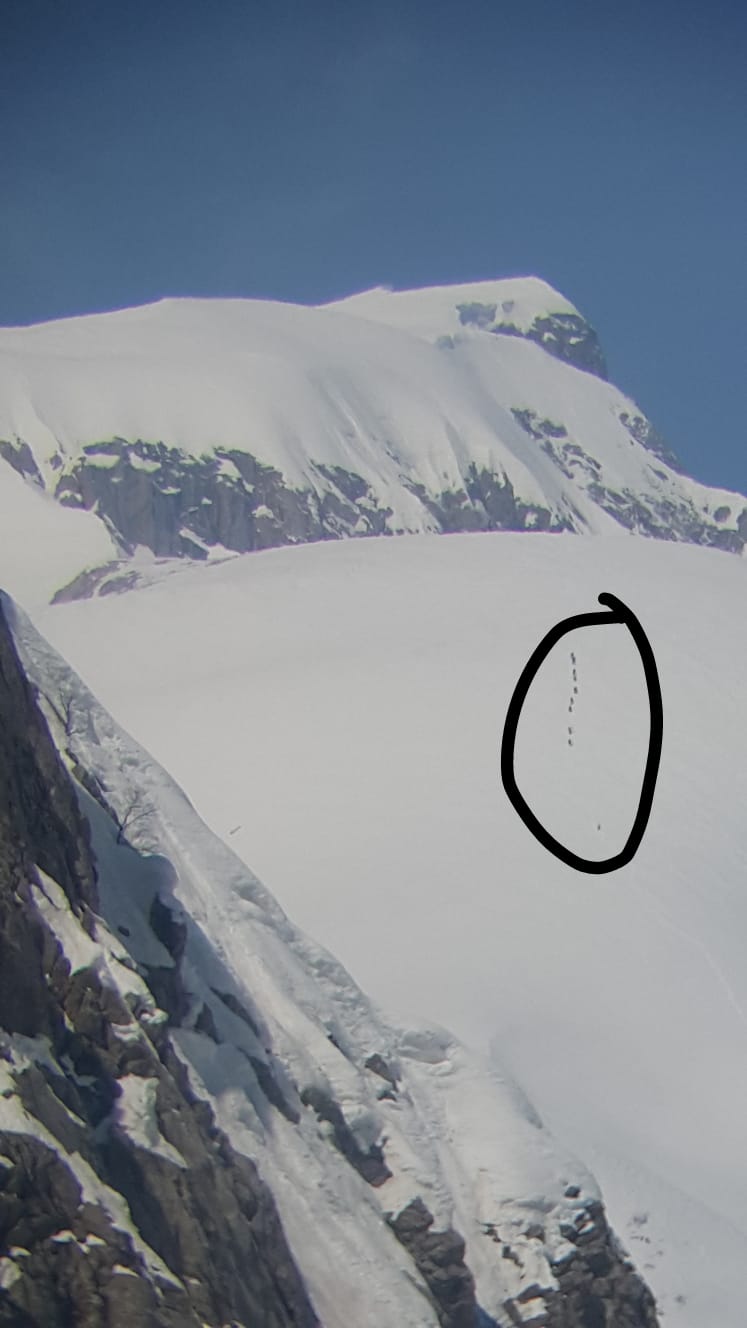
Half an hour after packing up camp and setting off following breakfast, we came across a sight that froze everyone’s steps. Right on top of the fresh tracks we had broken, there was a massive bear paw print deeply embedded in the snow.
At that exact moment, the tiny silhouette we had spotted in the distance during the first days of the climb flashed through my mind like a bolt of lightning. Back at the base of the mountain, we had noticed something moving like a tiny dot in the middle of the vast whiteness and casually dismissed it, thinking, “It’s probably just a wolf.” Granted, I say that as if running into a pack of wolves in the dead of winter isn’t dangerous at all—but in that moment, out of sheer wishful thinking, we preferred the idea of a wolf over a bear, not even wanting to entertain the thought of the latter. But now, these massive paw prints staring right back at us were throwing the true identity of that mysterious dot right in our faces.
This majestic creature, which should have been hibernating, was clearly suffering from sleep issues and had passed right along the same route we were walking. The sheer size of the tracks gave a chilling hint of just how massive its owner was. My eyes instinctively searched for smaller prints beside those enormous paw marks; because if there was one thing more dangerous in the wild than a sleep-deprived bear, it was a sleep-deprived mother protecting her cubs.
I silently thought to myself, I hope we don’t run into it. After all, a sleep-deprived mother guarding her young meant unpredictable rage. Fortunately, the tracks belonged to a single individual and moved in a fairly steady, orderly line. This reassured us that our friends who had gone ahead hadn’t had any unpleasant encounter with the bear either.
After the life-and-death struggle we faced with the cornice collapse just the night before, nature had once again reminded us who the true masters of this landscape are and that we are merely temporary guests. Up until that moment, we thought the mountain had exhausted all its surprises and we didn’t expect any further danger; however, those fresh tracks proved that the mountain’s surprises were far from over.
Descending the “Azap Couloir”—this time sliding with pure joy. The technical term for this controlled slide: Glissade.
Helicopter Operation: In the Middle of a Storm
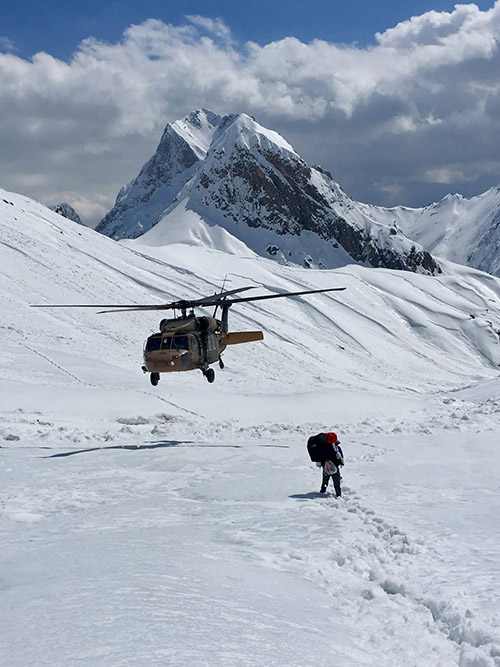
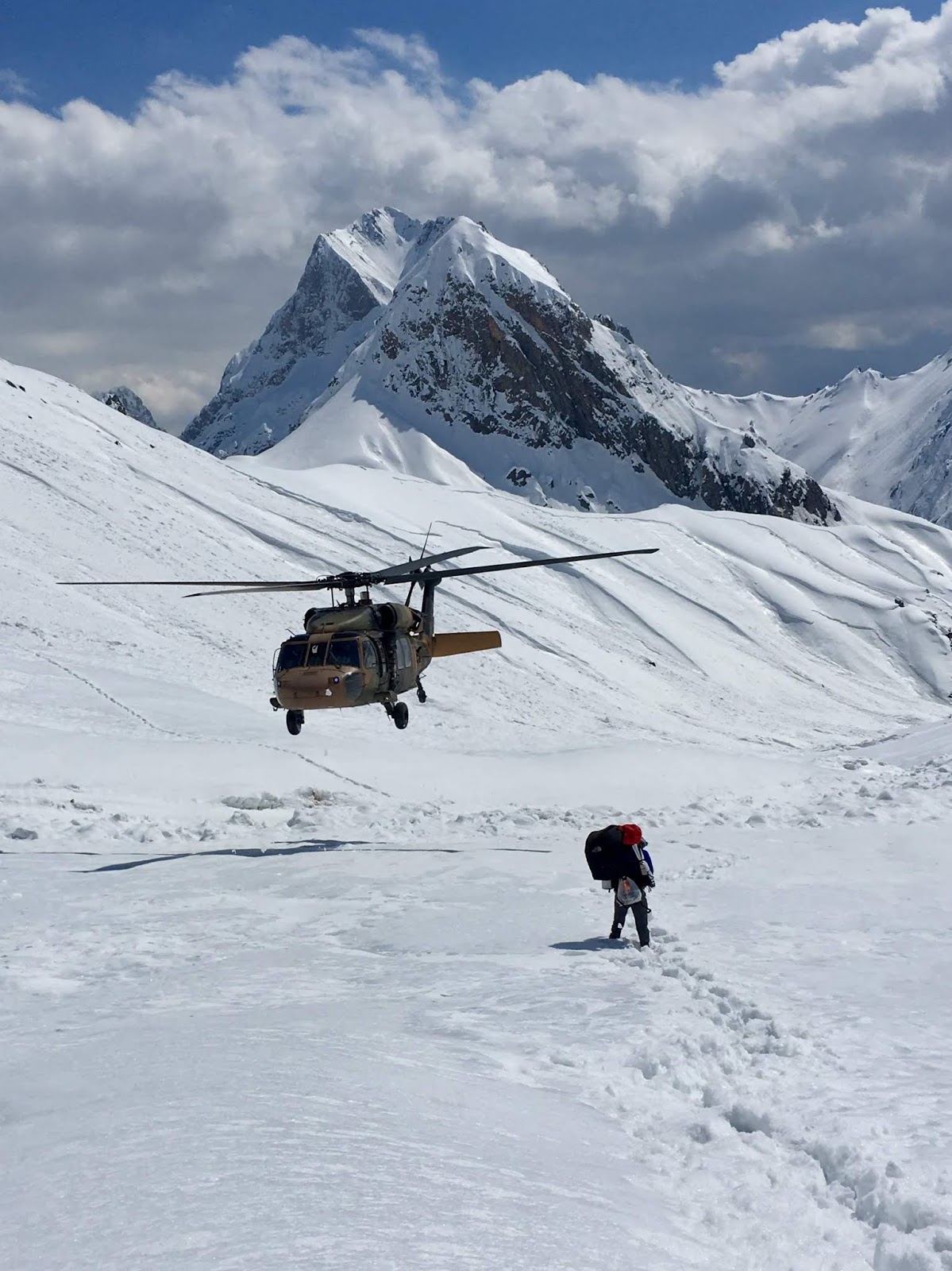
As we approached the site of our first camp, we heard the sound of a helicopter in the distance. It passed overhead and began circling us. We assumed it was a routine security patrol flight. Usually when you see a helicopter you wave, but we warned each other not to make any hand signals to avoid misunderstanding. When it started descending near us, we looked at each other curiously and cautiously approached the helicopter.
Helicopter Operation: In the heart of a storm.
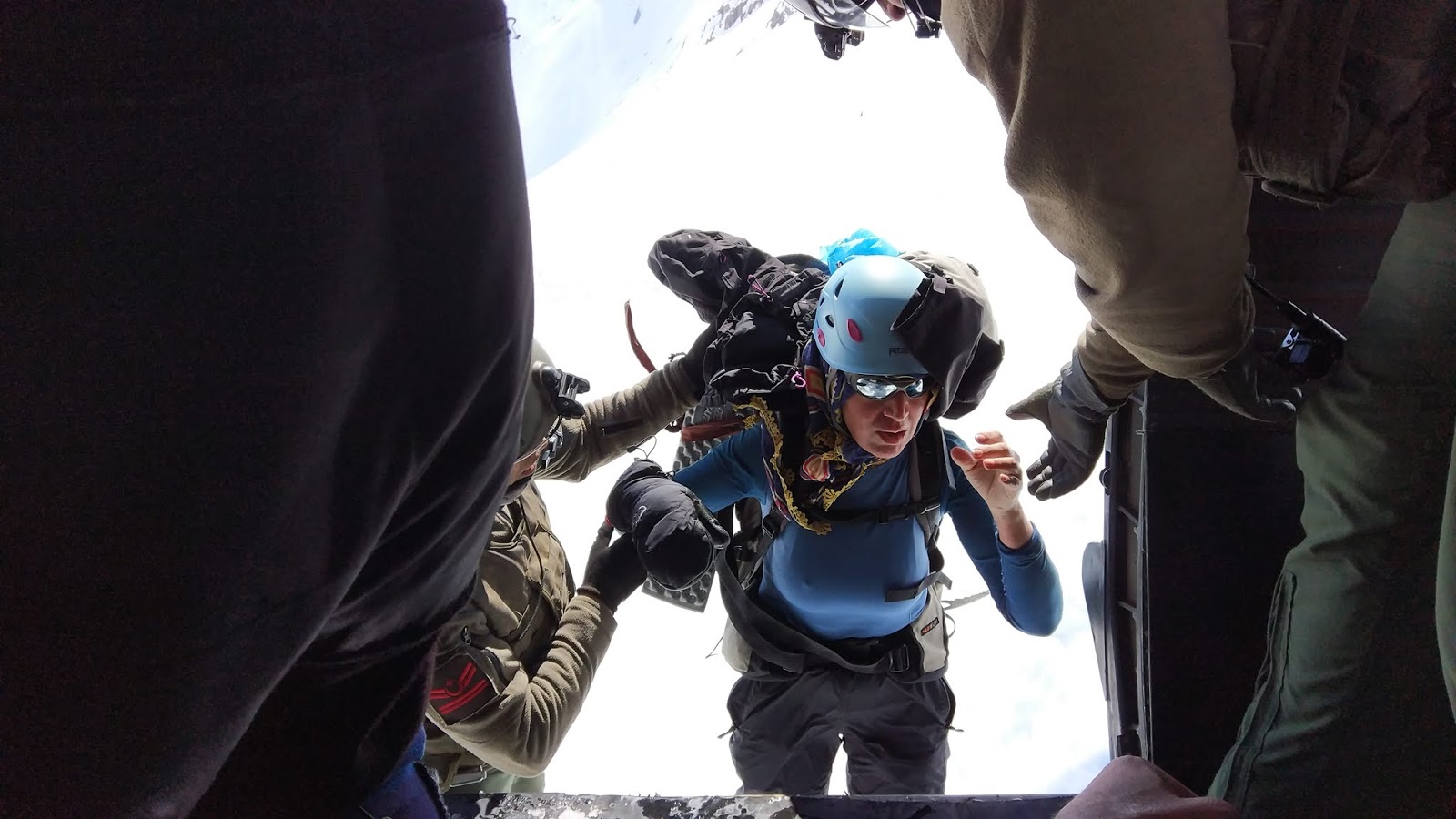
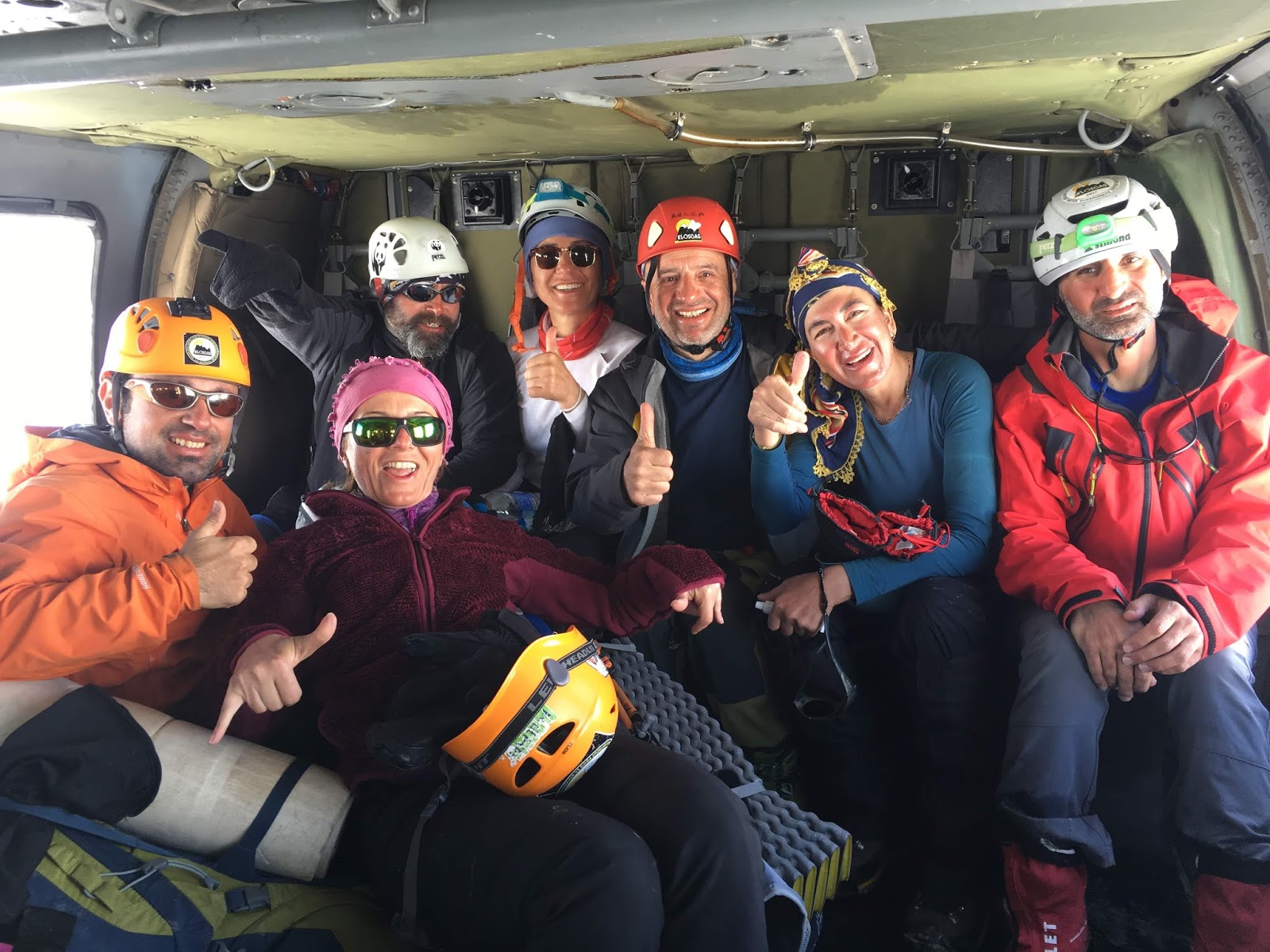
The wind generated by the rotors was so strong it was hard to stay on our feet. Once on board, we learned they had come for us. The soldiers, who had been monitoring our movements moment by moment, had noticed that part of the team had moved ahead quickly. Unable to reach us by radio, they had taken off immediately in case something had gone wrong in the freezing mountain conditions. At that moment we realized that while we thought we were alone in the mountain’s solitude, protective eyes had always been on us.
Struggling to board the helicopter under powerful winds.
We boarded the helicopter that had reached the area in a short time and took off. After about a 15-minute flight, we landed at a military post built on a high slope. But our minds were on the tents and technical gear we had left at the main camp. While the team waited safely at the post, Sönmez and I stayed on the helicopter to evacuate the gear. When we returned to the main camp, a difficult scene awaited us; there was no flat area where the helicopter could land fully. The pilot descended to within 2–3 meters of the ground, and we ran into the artificial blizzard created by the rotors to dismantle the tents.
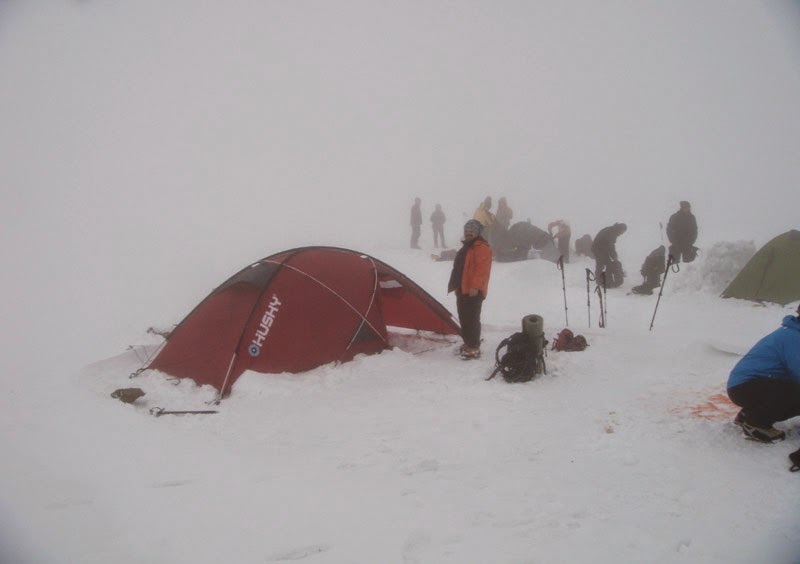
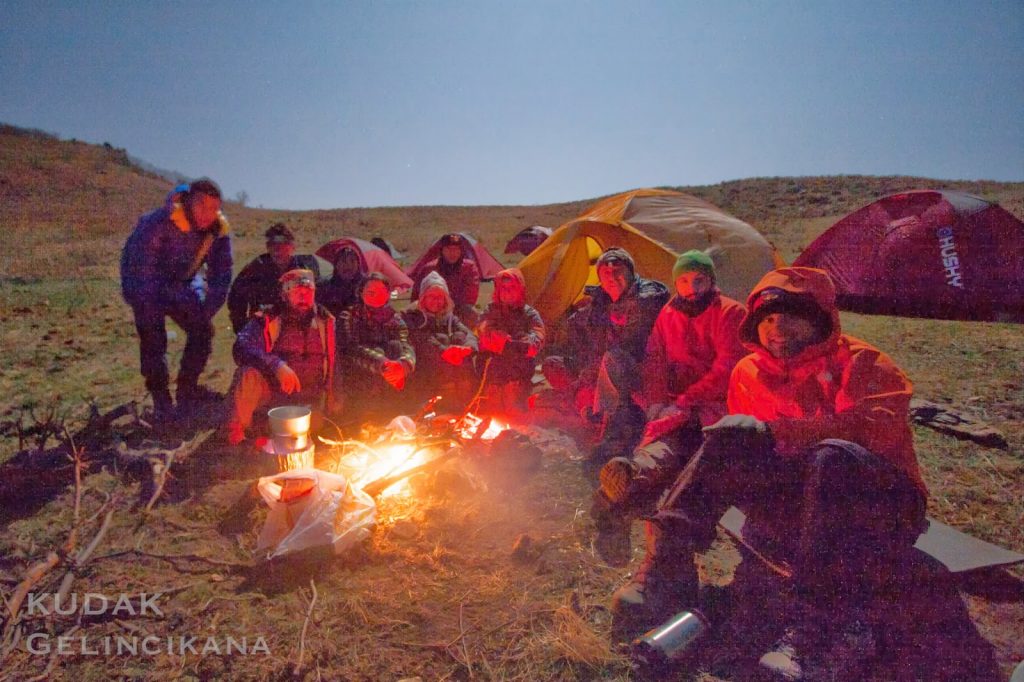
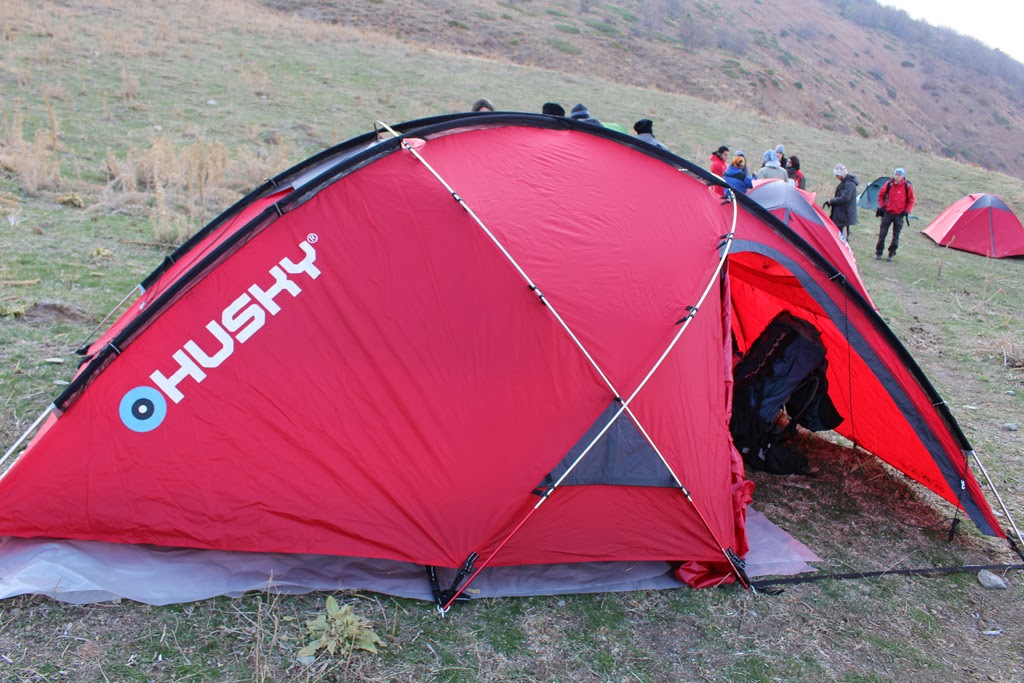
We had three Husky brand tents waiting for us at the camp. My trusty old Husky, which I had used faithfully for years, had lost its “swagger” in the face of the artificial storm generated by the helicopter rotors, with winds of at least 80 km/h. I had seen many harsh weather conditions in nature before, but I was witnessing such destructive wind force for the first time. Although Husky’s rectangular and tall design normally provides great comfort, at that moment serious question marks arose in my mind about its durability in extreme storms.
Husky vs. North Face tent.
At that moment, I really wished Sönmez’s legendary dome-shaped North Face tent had been there; seeing the performance difference between the tall Husky and the low-profile “storm monster” North Face under such enormous wind load side by side would have been a unique technical lesson. But Sönmez had carried that tent to the next camp area, so we had missed the chance for that comparison.
While Sönmez and I were trying to unfasten the tent poles and pack them up, the helicopter was hovering above, searching for a suitable spot to land. Finally, as it hovered over a slightly sloped area, the crew leaned out of the windows, giving commands to the pilot just like a valet guiding a car into a tight parking spot. In those critical seconds when the wheels lightly touched the ground, we quickly loaded the gear into the running helicopter. Once everything was done, we jumped in as well and took off in a massive cloud of dust and snow.
You know those famous exaggerated stories where someone says, “I was changing magazines while jumping from one helicopter to another”… Well, at that moment I was living right in the middle of those stories — but not fiction, the real thing 🙂
When we reached the base area, we loaded our other friends onto the still-running helicopter without wasting time and took off toward Yüksekova Garrison.
Taking off from the base towards the Yüksekova Garrison.
Unfortunately, we couldn’t pick up the other friends who had gone deep into the valleys during the evacuation operation. Minutes after being in the mountain environment, we were beamed into civilization, drinking tea and devouring the treats offered to us. The soldiers’ care and assistance made us happy. We had a pleasant conversation with the valuable commanders about our climb, the region’s issues, and turning the area into a winter tourism destination. We sealed this unforgettable moment with a group photo we took together.
A Souvenir from the Yüksekova 3rd Infantry Division Command.
Meanwhile, we returned to our hotel with a helicopter we called from the district center (ha ha ha, okay, back to the real world 🙂 — Up to here there hasn’t been a single fictional event, so let me end it like this… After the unique hospitality at the garrison, we left that magical atmosphere and returned to the real world — that is, to our trusty minibus that would take us to the hotel.
The ironic part was that the two friends who had gone ahead completed the entire route on foot. While we reached the town center around 14:30 in the afternoon and rested at our hotel, they still hadn’t managed to get out of the valley. They also missed their flights. They only just made it to the evening dinner we had together.
I won’t say who these unlucky friends were — perhaps you can guess from the photos (A hint: Their faces may have been more sunburned because they were exposed longer to the light reflected from the snow 🙂
Post-expedition selfies.
Day 6: An Ahmet Kaya Song on the White Journey
After what the mountain had done to us, what the road would do felt lighter. While most of the team flew back to Istanbul, we headed first to Van and then to Bingöl with a small group formed by Sönmez; we wanted to climb the frozen waterfall we had set our eyes on earlier.
Our entire day passed inside an intercity minibus on roads covered with a pure white blanket. While watching the frozen world through the window, Ahmet Kaya’s voice rose from the tape: “Sensiz Yaşayabilmirem…” As intense melancholy and silence filled the minibus during the next songs, Sönmez suddenly started a lively folk tune to dispel the heavy atmosphere. At first I was a bit worried — “Will the passengers be disturbed? Will there be trouble?” But Sönmez sang so sincerely and beautifully that, instead of objecting, the other passengers began listening with admiration. Some even took out their phones to record videos and went live on social media.
With Sönmez’s folk songs, the cold and distant atmosphere warmed up instantly; people who had been strangers moments before began chatting as if they were forty-year friends. There was actually a whole life hidden inside that small minibus. As the conversation deepened, everyone poured out the troubles in their hearts: some were going to visit a sick relative, others to see their spouse in prison. At that moment I understood that mountains are not made only of snow and ice, but also of human stories.
Day 7 and Beyond: Waterfall Hunting in Bingöl
The next morning we were at the Bingöl Provincial Directorate of Youth and Sports early. With the warm welcome of the officials and our friend, the TDF Bingöl Representative, we set out on a full “waterfall hunt” in the region. With the spirit of exploration, we examined many waterfalls in the valleys we entered; but nature had its own schedule. Although the air was freezing, we realized that these crystal structures needed the harshest frosts of January and February to freeze solidly enough for climbing, and that the March sun had already softened them.
Waterfall hunting in Bingöl.
Final Words: To Those Who Heed the Mountain’s Call
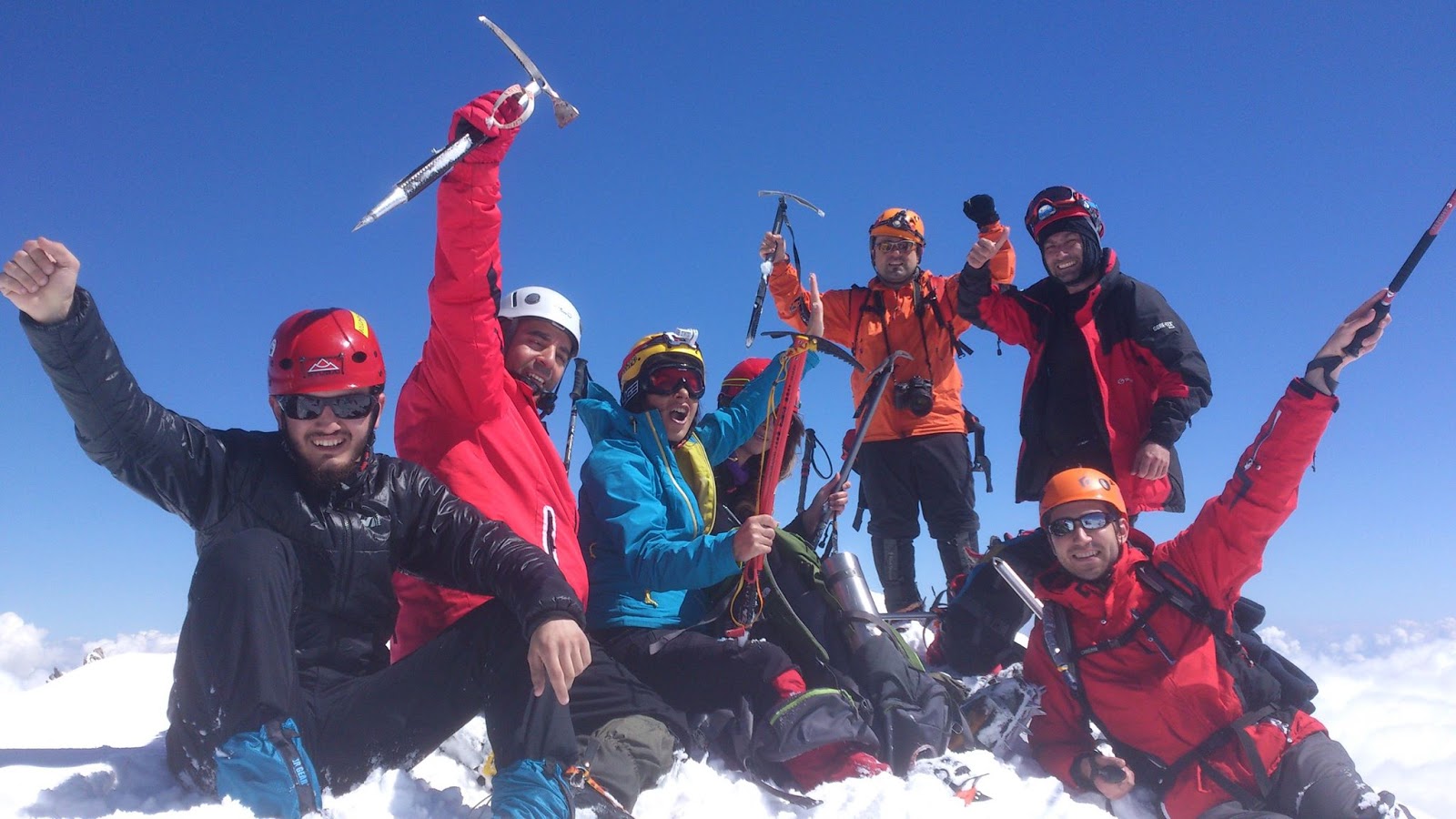
This time we could not touch the summit. We could not reach Reşko’s pure white peak, nor climb Bingöl’s frozen waterfalls. But we did not return empty-handed. We returned with priceless lessons in our bags — lessons not written in books, but learned only on the mountain.
We learned that in mountaineering, the real victory is not reaching the summit, but returning safely and completely to your loved ones. Sometimes the greatest courage is being able to say “stop” at the moment you think “we can continue.” The decision we made that day at 4000 meters, face-to-face with death, was perhaps the most correct summit move of our lives.
The mountain is unforgiving; there is no room for forgetfulness, lethargy, or overconfidence. Leaving a dry pair of gloves at the bottom of your pack, delaying a critical decision with the thought of ‘I can last a bit longer,’ or drifting toward a steep slope as the mist rolls in… The price for these lapses can be devastating. We received our warning before the toll was taken. Others, however, had to face that warning in its harshest form: the sudden crack of a cornice beneath their feet.
But most importantly, we understood this: The mountain is not just a mass of snow and ice. It is also a mirror that reveals the barest state of the human soul. The sacrifice of asking “Should I unclip from the main rope?” while hanging on the edge of death, the leadership of someone who remains cool-headed after 18 hours on their feet to build an anchor, the team spirit of running into a man-made blizzard created by helicopter rotors to dismantle a tent… These are the real rewards of mountaineering.
Cilo once again showed us that even in the harshest geographies, a hot cup of tea, sincere hospitality, and a struggle shouldered together give a person indescribable strength. From the protective gaze of the soldiers, to the halay dances of the young people in Yüksekova, to the strangers in the minibus who suddenly became forty-year friends over an Ahmet Kaya song… Mountains are not just about height; they are also places where human stories meet.
If you ever choose to heed this call, carry with you an unshakable discipline, a team whose breath you can trust as your own, and a profound reverence for the wilderness. But above all, keep the will to turn back as the most vital piece of equipment in your pack.
The mountain remains, indifferent to time. Reşko stands in all its stoic majesty, awaiting our next encounter. It is our greatest hope to return one day—better equipped, more seasoned, and with an even deeper respect for the soul of the peaks.
To those who traverse Cilo’s proud whiteness with courage in their hearts and wisdom in their steps: I salute you.
Footnote 1: Our expedition was featured as a news story in various print and digital media outlets.
Footnote 2: Fujifilm has produced a beautiful film about the Cilo Mountains; if you are curious about this region, I have embedded the video below and highly recommend watching it.
A glimpse of the majestic Cilo peaks through the Fujifilm lens.
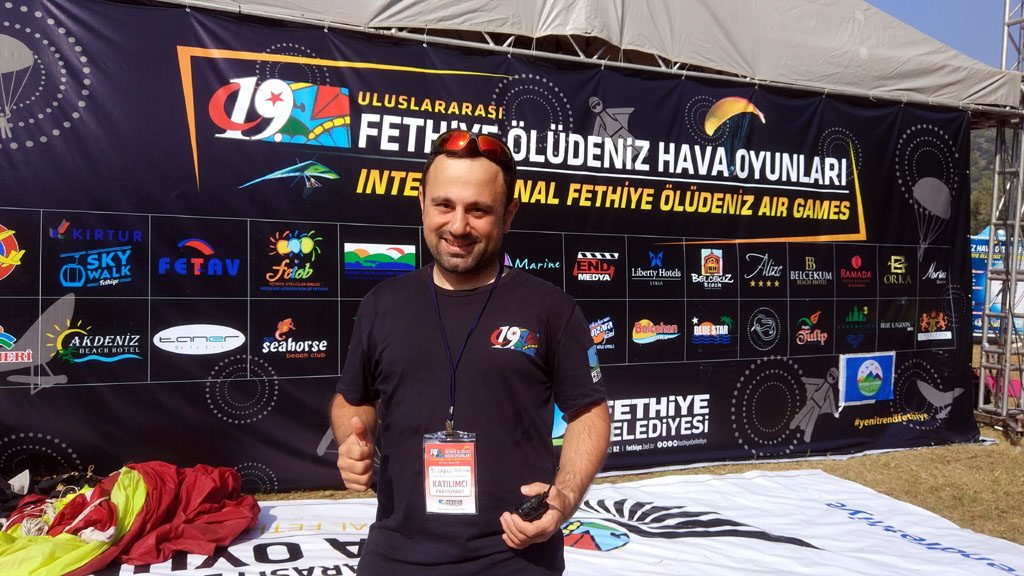
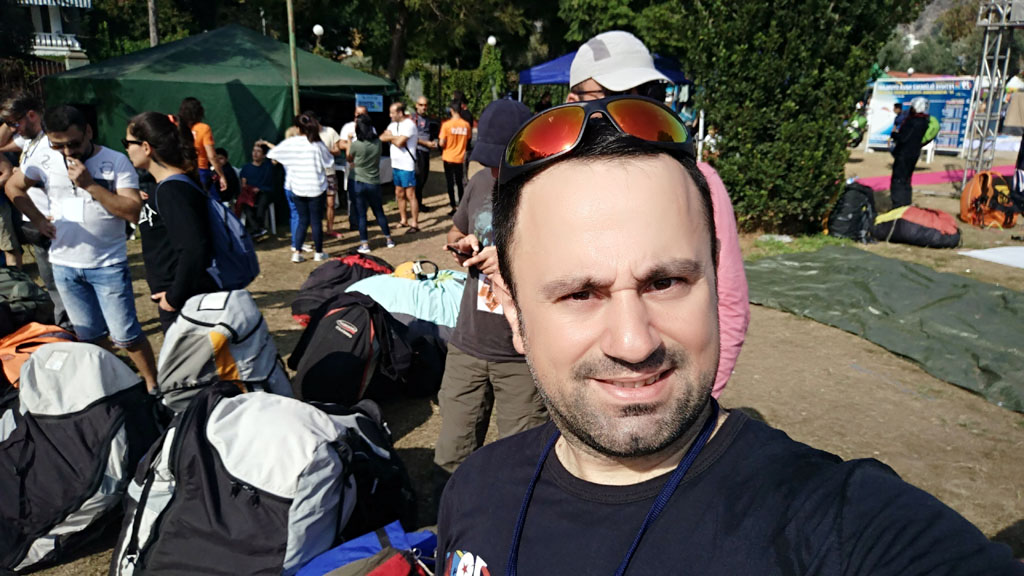
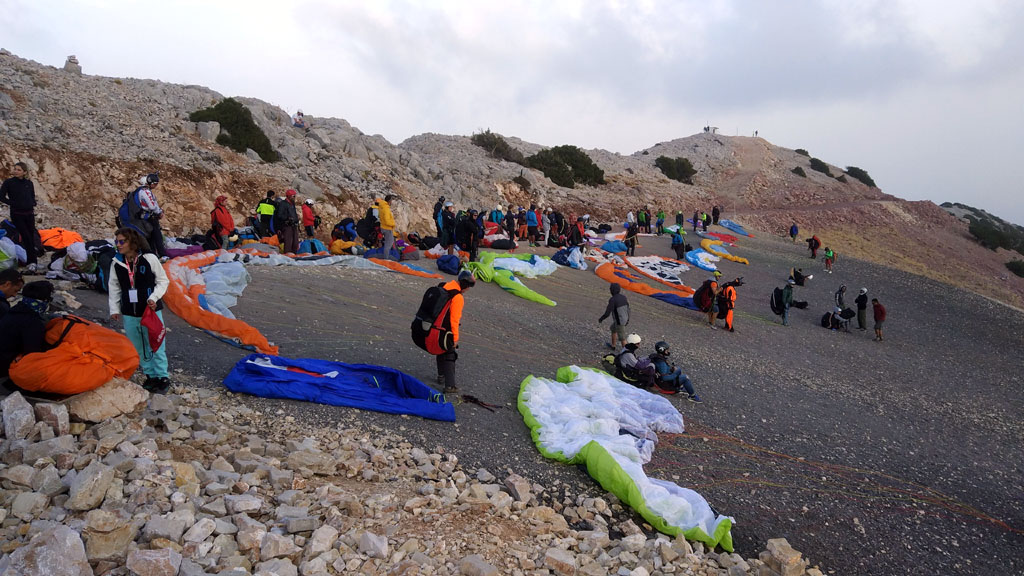
Looking down at Ölüdeniz’s turquoise waters from 1,900 meters is always breathtaking; however, this time was something truly special. This year, I attended the 19th Ölüdeniz Air Games Festival for the first time and experienced one of the most exhilarating moments of my life.
The Sky Has Never Been So Crowded
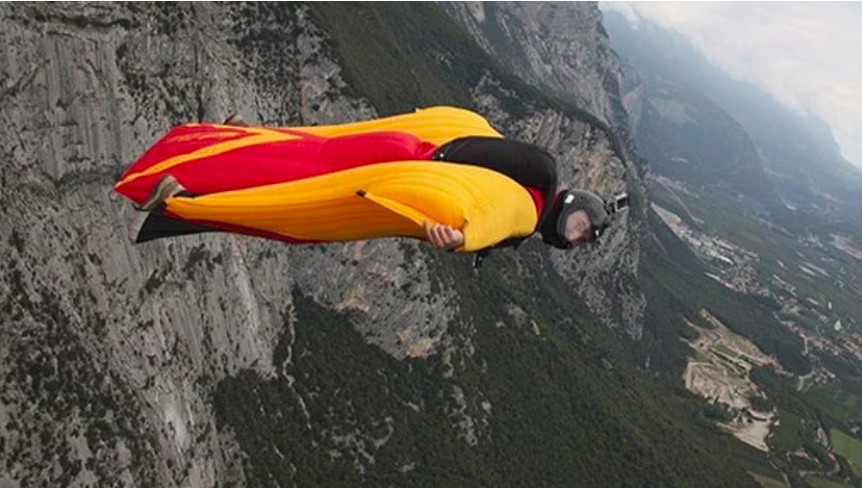
Babadağ turned into a massive “aerial carnival” throughout the event. Sharing the airspace with over 900 pilots from more than 50 countries was an incredible feeling. In this massive organization where approximately 2,000 flights took place daily, we had the chance to watch not only paragliding but also Base Jumping, Skydiving, Wingsuit flights, and breathtaking acrobatic displays. Even the slight tension caused by the intense takeoff and landing traffic couldn’t overshadow the joy of flying one of the world’s top 5 paragliding sites.
Old Friends and Meaningful Coincidences
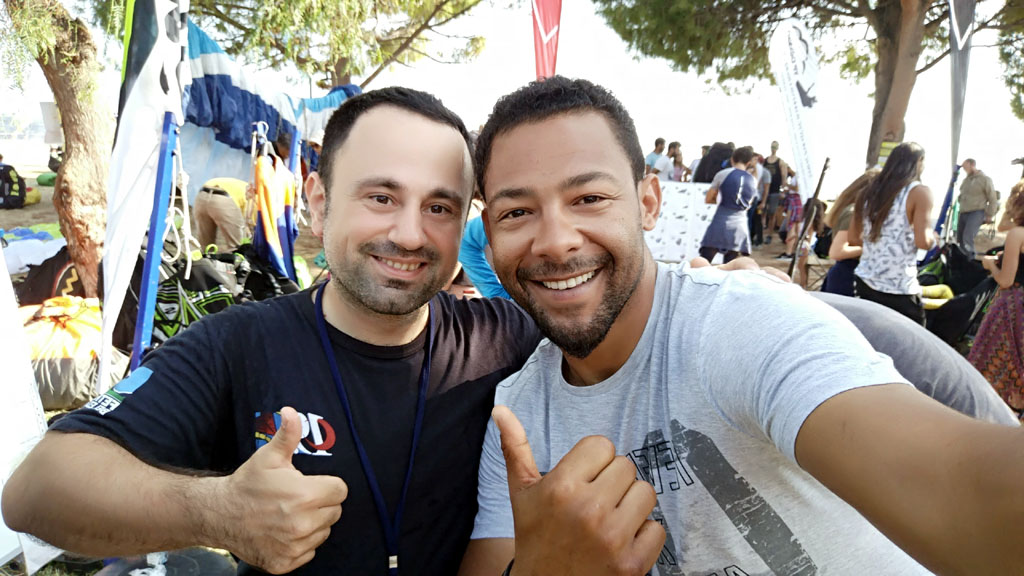
One of the best surprises of the festival was running into my first paragliding instructors, Tuğcan İstim and Abdullah Yıldız from Fenomen Air Sports. Meeting the mentors who laid the foundations of my flying journey in such a professional atmosphere was both deeply meaningful and a humbling moment of gratitude.
From “P3” Room to “P4” Goal
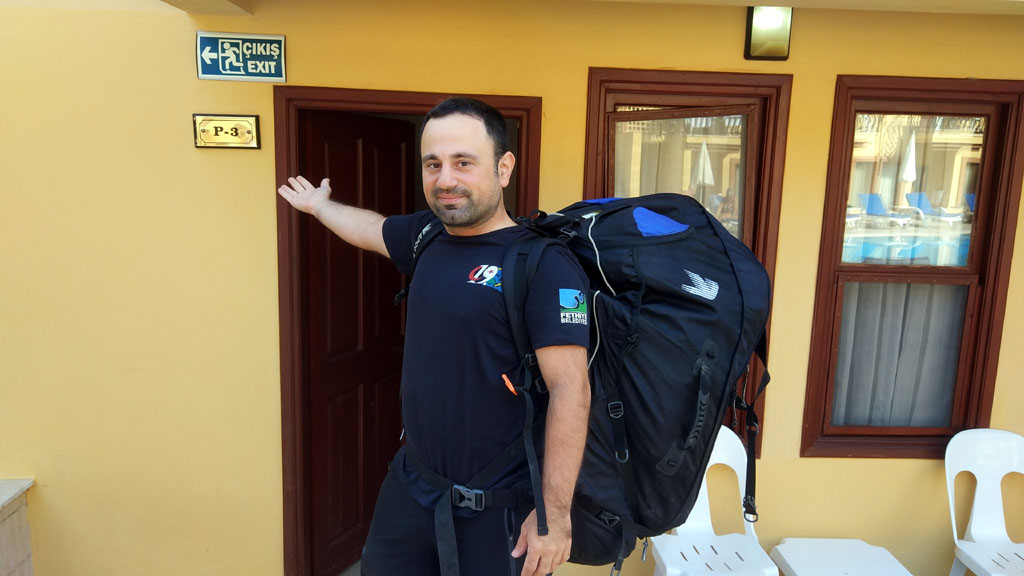
I checked into a hotel completely by chance, with no official connection to the festival. The reception staff didn’t know me, but they pulled off a brilliant coincidence: they assigned me a beautiful room right by the pool. When I spotted the “P3” sign on my door — which represents the “Intermediate Pilot” rating in paragliding — I couldn’t help but smile. My goal is clear: Next year, I’m aiming for the “P4” room! 😋
While waiting for the municipal shuttle buses by the beach… we were gearing up for the ride up to the 1,900-meter takeoff zone.
The Moment When Patience Is Tested: “Parawaiting”
Flying at Babadağ requires not just courage, but a lot of patience. Waiting for the ideal wind at the 1,900-meter Patara takeoff… this is what we call “Parawaiting.” This term, a clever play on “paragliding,” describes a pilot’s wisdom to cooperate with nature rather than fight it, waiting out the perfect window. They say some pilots achieve the serenity of a dervish while waiting — and they’re absolutely right! 🙂
Babadağ: Comfort and Development Potential
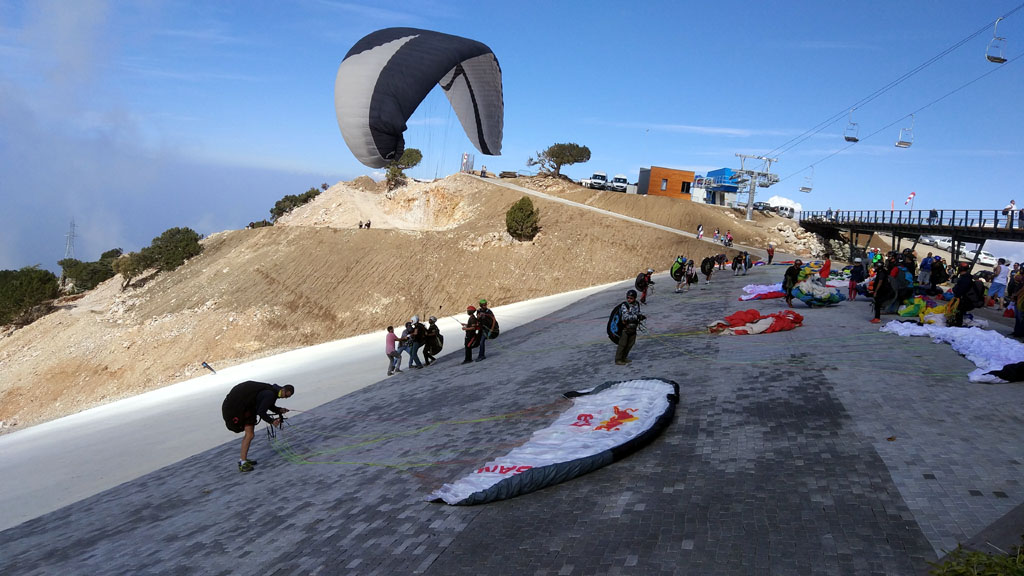
Currently, three main launch sites are operational at Babadağ. The 1,700-meter takeoff offers excellent comfort with its paved runway and the scenic terrace café right beside it. However, I hope the 1,900-meter north summit launch will eventually receive a similar upgrade. Levelling the takeoff area and installing live weather station camera systems to monitor wind speed and direction from the landing zone would greatly boost Babadağ’s reputation as a world-class flying destination. When the wind dies down at 1,900 meters, we head to the 1,700-meter south launch, and vice versa.
Flight Logs from the Sky
Without further ado, I’d like to share the unforgettable footage from my launch at the 1,700-meter takeoff. Enjoy the video!
Plaza’s gray corridors where we breathe the same air with 3500 people. It’s almost impossible to know everyone. Every new acquaintance opens the door to a new world.
My method for getting to know people is quite simple: I ask them about their dreams and their relationship with sports. Because dreams become a unique fuel that spreads and inspires when shared. I listen to others’ passions not to “steal” them, but to add new colors to my own path. Just like a musician draws inspiration from different genres while composing a new piece, I enrich my own adventure by being inspired by others’ passions.
The First Spark: A Peaceful Escape at Ömerli Dam
One day at work, while chatting with a new colleague, I found out that he goes inflatable kayaking with his wife and child. When he said, ‘I just toss the kayak in the car and head wherever I see water,’ my eyes lit up. He was surprised that I was so disconnected from water sports despite living in a city surrounded by the sea, and seeing my genuine interest, he offered to give me a demo.
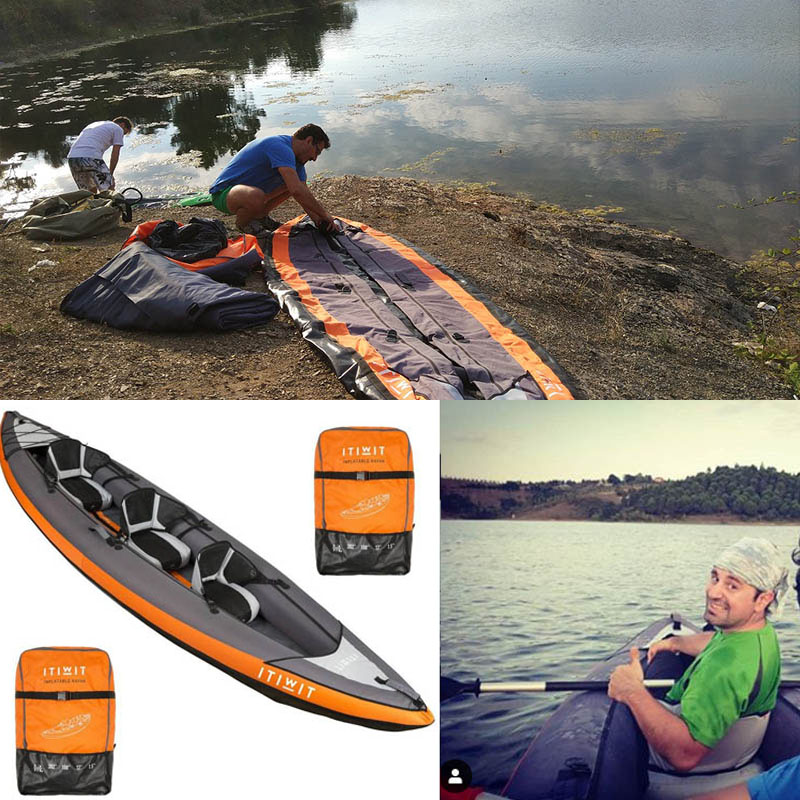
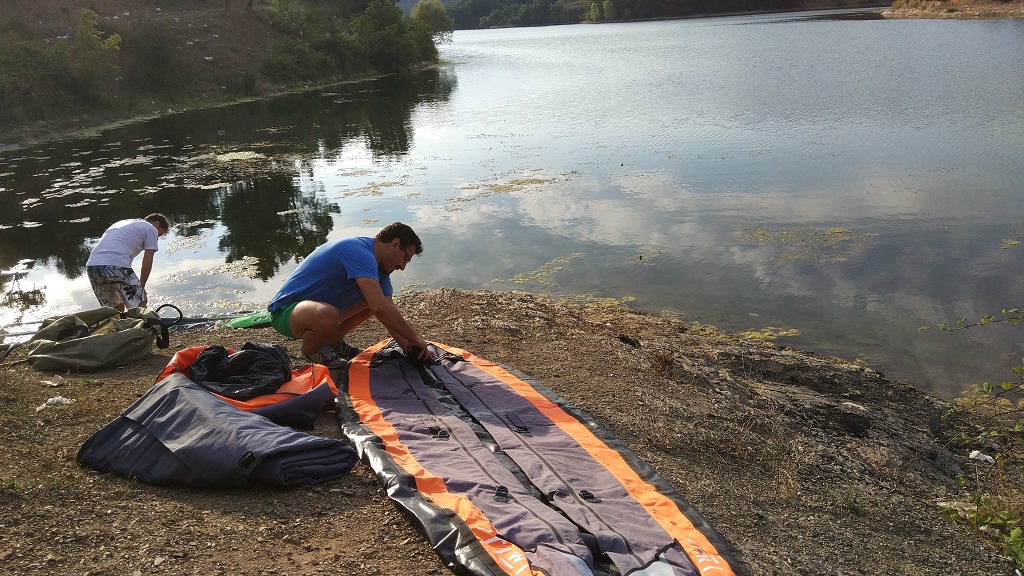
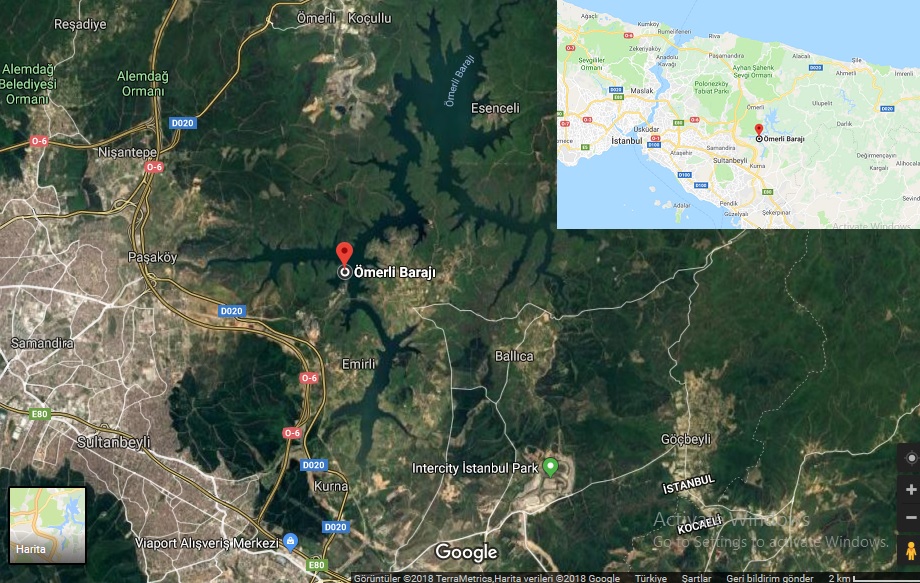
That evening after work, I found myself at Ömerli Dam. My friend’s battery-powered pump inflated the kayak in just 15 minutes, and it transported us to a completely different world, far from office stress, in one hour. We had only done a short 5-kilometer tour, but my soul felt completely renewed. When I looked at the map and saw that we had only explored about 10% of the dam, I made up my mind: I’m getting a kayak too!
I didn’t waste any time. I decided to go in on a kayak together with another colleague, Hakan. Sharing the cost and the carrying burden would be both economical and much more practical. While researching, I learned one clear thing: You should definitely buy a 2-person model. Even if you get a single-person kayak, you’ll likely have a guest with you anyway; in that case, it becomes a waste of both money and effort. Two-person models are both more comfortable and offer a more social experience.
Saturday: The Decathlon Adventure and “Darn it!” Moments
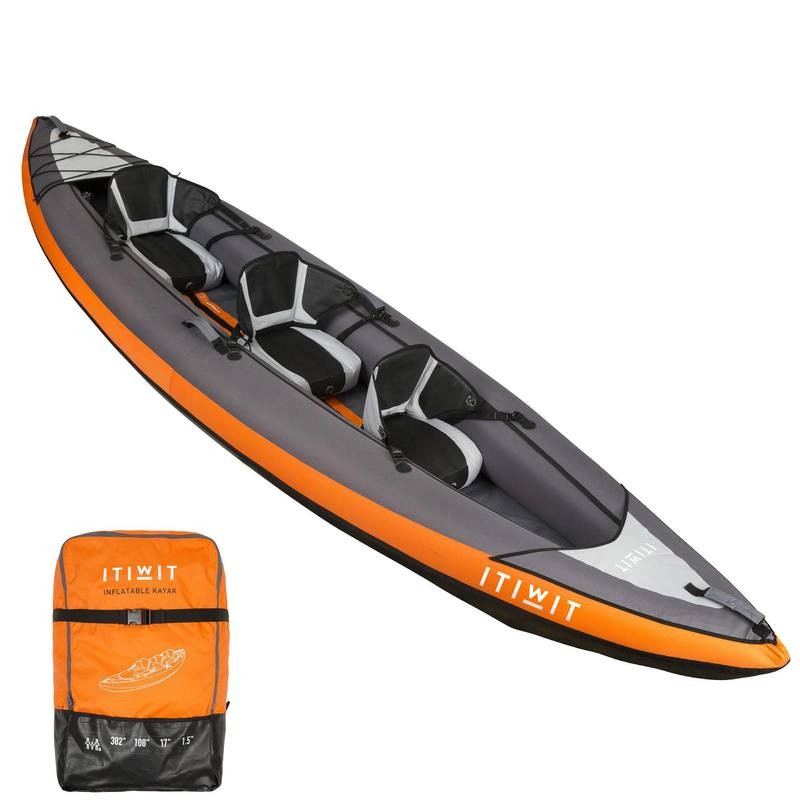
On Saturday morning, Hakan and I headed to the Decathlon in Maltepe with the motto “today we’re conquering the sea.” Our plan was working perfectly. We grabbed a huge two-person kayak, paddles, and the battery-powered pump that would save us from getting out of breath. Everything looked perfect at the checkout; we had officially signed off on our new hobby. When we thought about the total cost, it was actually comparable to a nice weekend dinner or a few months of gym membership — in exchange for a lifetime of freedom.
However, fate had other plans for us. When we opened the box in the parking lot, we faced the classic “Decathlon Curse”: the vital adapter for the pump was missing from the box! Since we couldn’t inflate the kayak with our mouths, we needed a solution. The staff member said, “We don’t have any left here, but there’s one in the Ataşehir branch. I’ll reserve it for you.” At that moment, Istanbul traffic was smiling at us.
Time was tight. Hakan and I immediately jumped on the motorcycle. While muttering “Darn it!” inside my helmet, we slalomed through Ataşehir traffic in search of the missing piece. When we finally received the complete pump, we felt like knights who had rescued the Holy Grail. Now there was nothing left in our way — destination: Ömerli Dam again!
When we arrived at the lakeside, we laid out the equipment. The electric pump started inflating the kayak, and I happily thought, “Good thing we bought this, otherwise we’d be pumping like laborers with a manual one.” Right at that moment, the pump’s sound faded. Darn it! The battery had died. There was a car charger cable in the pump box, but since we came by motorcycle, it was useless. Hakan took the pump to a nearby village coffeehouse to charge it.
An hour later when he returned, the pump still couldn’t fully inflate the kayak. The kayak consisted of three separate inflatable sections and couldn’t be put in the water without being fully inflated. Our first attempt failed for such a silly reason. We returned home disappointed.
Sunday: From Caddebostan to Kınalıada – The “Convict Rowers” Story
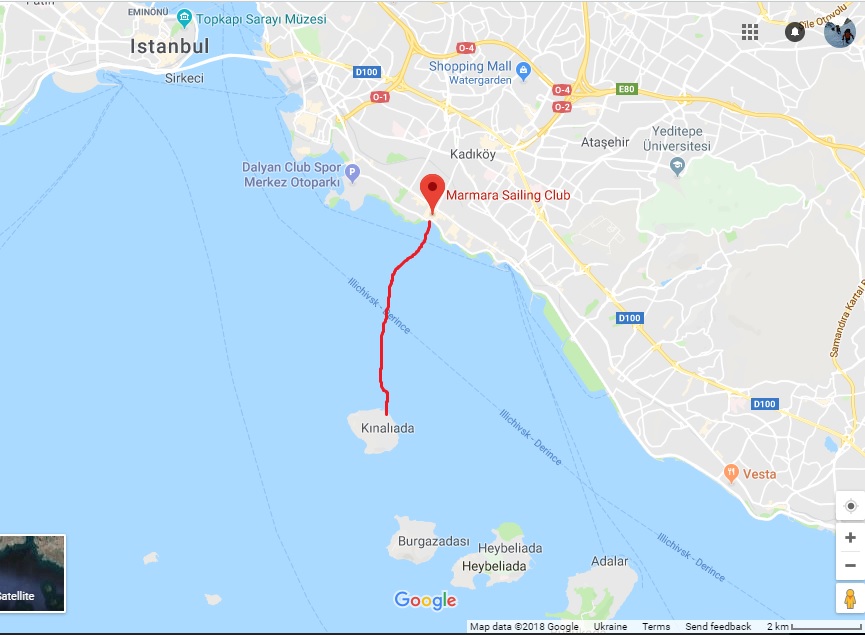
The next day we were filled with determination. Learning from the previous day’s experience, we bought a manual pump as backup in case the electric one failed again. This time the destination wasn’t Ömerli but Caddebostan. It was closer to the city and logistics would be easier in case of any mishap. We parked the motorcycle next to the Marmara Sailing Club, where Hakan and I had previously taken windsurfing lessons, and spread out on the grass. The July heat and motorcycle ride had tired us a bit, so we took a short break and watched the calm sea.
After the break, it was time for action. We took the kayak out of the backpack. This time the battery-powered pump worked perfectly. We also kept the manual pump with us “just in case” and set off to sea. The sea was as smooth as glass that morning. Soon, however, the first problem appeared: the kayak wouldn’t listen at all and kept changing direction on its own. While muttering “Come on, it can’t be this hard!” we faced the bitter truth: We had forgotten to attach the skegs (the fins that help the kayak go straight)! In our haste, we had left those vital three pieces in the motorcycle bag. We turned back before going too far, attached the skegs, and finally — the kayak went straight like an arrow. Now we were really enjoying it.
While envying the windsurfers gliding past us, our curiosity overtook our sense of safety. I vaguely remembered the manual saying “don’t go more than 300 meters from the shore,” but we had already crossed that limit. We looked at each other and the famous question came up: “Can we go to the islands?” The answer was simple: “We’re going. If needed, we’ll turn back!” Hakan paddled in front, I was in the back.
As we moved away from the shore, the view changed. The buildings got smaller, and the sea showed its real face, abandoning its “glass-like” state. Waves, currents, and heavy boat traffic turned into a massive problem. While ferries and yachts moved parallel, we were crossing their path at a right angle. With every approaching vessel, we were doing mathematical calculations: “Should we wait or push forward?” We only knew how to take bearings. In general, when there was a risk of collision, we chose to wait. We tried to face the huge waves created by passing boats head-on to keep our balance, performing all kinds of acrobatic moves so we wouldn’t capsize like paper boats in the middle of the Marmara Sea.
After two hours of epic struggle, we reached Kınalıada beach. The kids on the shore watched us as if we were aliens who had just landed. We pulled the kayak onto the sand and threw ourselves under a tree’s shade. Under the July sun, hatless and unprepared, we had conquered the island — but the price was heavy.
The two 1.5-liter plastic water bottles we brought were quickly finished. We had taken neither food, nor wallet, nor a single penny with us. Our dream of returning by scheduled ferry crashed into our empty pockets. Our only option was to gladly grab those paddles again.
On the way back we switched places; this time I was in front, Hakan in the back. In the first minutes we were fast thanks to the energy from resting, but after one or two kilometers from shore the real suffering began. The current had reversed and traffic had increased. At that moment, someone from a boat named “Cemal Captain” called out:
“- Any problem, guys? Do you need help?”
Our pride was bigger than our hunger:
“- No thanks!”
we said, but a voice inside us was screaming “Take us out of here!”
Our tongues were stuck to the roofs of our mouths from thirst, and the sun was burning our brains. Hakan snapped at me because I splashed water on him while paddling. I wanted to argue that we’re at sea — what’s more natural than getting wet? But I realized that those meaningless fights in Survivor aren’t scripted; when people reach their limits, they fight over the smallest things. We couldn’t change places because of the kayak’s balance. I was rowing like a convict under a barrage of complaints from behind.
I was trying to row toward a landmark on the opposite shore, but I couldn’t row properly because the waves kept pushing the kayak’s nose off course. I had to paddle two or three times on the right for every stroke on the left. Naturally, I couldn’t synchronize with Hakan. Also, to avoid splashing water, I was paddling slowly and carefully without dipping the paddle too deep. Then Hakan got angry, saying I wasn’t paddling and that he was carrying me. Had the sun gone to his head? I felt like hitting him with the paddle! I was worse than a galley slave. My mouth was dry. I was imagining vultures circling above me…
At that moment, a fancy, expensive sailboat approached us. The well-dressed group inside must have felt sorry for us and asked if we needed help. Our politeness had run out and our strength was gone. We brushed them off with a short “no.” They left as quickly as they came. People seeing us from outside must have been feeling pity. Or maybe because Hakan was leaning way back, almost lying down while paddling. I don’t know. At one point I noticed water was starting to collect inside the kayak. My butt was in the water and the kayak was getting heavier. Since we didn’t have a dry bag, protecting our phones was another problem. Two hours had passed but we were only halfway. We still couldn’t clearly see the opposite shore. Oh God, will we ever reach land?
The same sailboat came back again. They asked once more, “Any problem?” Out of pride we said “Everything’s fine,” but inside we were screaming “Take us!” It was unbelievable. We wouldn’t ask for help until we sank; we wouldn’t give up. Hitting rock bottom with our pride felt worse than the kayak sinking.
The evening coolness and strong wind started. The tension in the kayak continued. My colleague who introduced me to the kayak had mentioned a simple sail attachment that works like windsurfing. He bought it very cheaply on AliExpress. I wished we had it with us. We could have attached it to the front of the kayak and used the wind.
Finally, the shores of Caddebostan became visible. After approximately 5 hours of unforgettable struggle, when we stepped on land, we could barely stand. We washed the kayak with a hose, deflated it, and stuffed it into the motorcycle bag.
At the end of the day, exhausted and disheveled, we threw ourselves into a seaside restaurant. While eating, we laughed and analyzed this “unprepared heroism.” As we headed home in the dark, one sentence remained in our minds: Adventures started unprepared become unforgettable… but they are equally difficult.
We took note of what we will definitely take with us next time:
Plenty of water and energy-giving snacks
A waterproof dry bag (for phone, wallet, etc.)
A small sail that can be attached to the kayak (there are affordable models on AliExpress)
Hat, sunscreen, and sunglasses
Life jacket (PFD) — (we didn’t buy extra because the kayak seat can be used as one)
And most importantly, leave our pride at home and bring some cash!
That’s all for now. See you on the next adventure!
Back in the day, we used to break branches and tie cloths to trees to avoid getting lost in the forest. With advancing technology, everything has become much easier and safer.
In this video, I talk about navigation techniques in the wild and introduce my favorite GPS watch from Suunto.
There are two major players on the market: the Suunto the Garmin. If you’re on a tighter budget, I recommend checking out the Amazfit T-Rex 3 or Coros Pace 4. I tested the Amazfit T-Rex 3 briefly and it offers excellent value for money — highly recommended.
To increase that “spin” effect that determines the fate of the game, I made an update to my racket. We handled applying the new rubber ourselves, and I shared the excitement of the process and the materials I used with you below. You know the meticulousness of those who prepare their own rackets; we aim for the best performance with millimeter-precise workmanship.
I’m waiting for your questions and racket combination suggestions in the comments!
Aladağlar, I really missed you. Coming face to face again with those rugged and majestic peaks felt like reuniting with an old friend I hadn’t seen in years. I never thought I would even miss Mehmet Abi’s tractor ride — that true “monument of discomfort” which launches you out of your seat with every single pothole. The funny thing is, once the climb is over and exhaustion sets in, that shaky tractor trailer starts feeling like the most comfortable limousine in the world.
During the journey, we also witnessed the meeting of technology and nature. A group that brought a drone with them was capturing cinematic footage, the device following us from above as the tractor moved forward. I’m sure the aerial views of Aladağlar’s wild nature will yield fantastic results. We also encountered an energetic group of about 45 university students. The excitement of their first climb was clearly visible in their eyes. Seeing these young people taking their first steps into mountaineering reminded me once again of the region’s never-ending spirit as a natural academy.
Dipsiz (Bottomless) Lake
The freshest and most “happily ending” memory from this climb was the swimming session we had in the ice-cold waters of Dipsiz Lake at 3,000 meters altitude on the way back. Washing away the fatigue of the summit in that crystal-clear water was an indescribable luxury. Another turning point for me in this activity was my choice of nutrition: Ready-to-eat ration packs and flameless ration systems.
I tried these ready-made meal packs, which foreigners call MRE (Meal, Ready-to-Eat), for the first time on this trip and found them extremely satisfying. I have now decided to use this practical solution in all my future outdoor activities, where carrying a stove and fuel is no longer necessary.
So, What Is an MRE and Why Is It So Practical?
Actually, this system was originally developed to meet the high calorie and nutritional needs of soldiers in the field. The packages contain rich menus that cover all daily needs, from main courses to side dishes, desserts, and beverage powders. Today, its usage has expanded incredibly — from hunting to sailing, from extreme camping to emergency preparedness for natural disasters.
Why Ration Packs Instead of Canned Food?
Easy to Carry: Unlike canned tins, these packs have a large surface area and are very thin. I can easily fit several days’ worth of food into even the narrowest compartments of my backpack.
Flameless Heater: No need to set up a stove, protect it from the wind, or worry about running out of gas. The chemical heater packs, activated with just a little water, turn your meal into a steaming, home-cooked consistency in minutes.
Taste: Of course, taste varies from person to person, but in my experience, it doesn’t fall short of home cooking.
I believe every mountaineer who values practicality in nature should keep at least one “emergency” menu in their bag.
Buying Guide
The most important thing to pay attention to when obtaining these practical meal packs is stock availability. There are occasional stock shortages in the market, so it’s worth keeping a close eye on it before the camping season. Since they have a very long shelf life (1-2 years), I preferred to place a bulk order directly from the main manufacturer.
* Calculations are based on the average USD exchange rate in June 2016 as 2.92 TL.
Important Notes:
Shelf Life: When buying in bulk, be sure to check the expiration dates on the packages. Their suitability for long-term storage also provides a great advantage for creating emergency stockpiles at home.
Heating Set: Don’t forget that you need both the chemical element and the special heater bag in which the reaction takes place to heat the meal.
Technical Gear: Ice Axe, Crampons, Helmet, Trekking Poles, Shovel, GPS, Radio Weather Conditions: Clear skies throughout the climb, temperatures ranging from a low of -8°C at night to +2°C at noon, light wind (5-10 km/h) Campsite:Mountain Hut Route: Devil’s Couloir (Şeytan Rotası) Altitude: 3916 m Ascent: 8 hours, Descent: 3 hours Leader:Sönmez Erkaya Team Size: 20 Recommendations: The Devil’s Couloir is an unforgiving route with serious risks of both rockfall and avalanche. This route and Mount Erciyes will always be remembered in Turkish mountaineering history together with the tragic loss of Abdülmecit Doğru, the former President of the Turkish Mountaineering Federation (TDF).
Mount Erciyes: A Journey to the Roof of Central Anatolia
In this post, I share the logistics, technical challenges, and personal experiences from our ascent of Mount Erciyes (3,916 m) via the Devil’s Couloir.
Saturday, May 7, 2016: Excitement and Preparation:
Mountaineering films are full of dramatic moments: the hero slipping, dangling from a ledge, or dodging falling rocks. Erciyes delivers exactly that kind of raw, intense experience. If a Turkish version of the movie Everest were ever made, this mountain would be the perfect setting.
Erciyes is an extinct volcano and the highest peak in Central Anatolia. At 3,916 meters, it stands roughly half the height of Everest, yet it is a mountain where accidents are extremely likely. In many places, I felt like I was living inside scenes from the movie Everest.
Logistics and Approach
We left Istanbul (İncirli) on Friday night at 11:00 PM and arrived in Kayseri city center around noon on Saturday. Before heading to the mountain, We energized ourselves with the famous Kayseri mantı — delicate Turkish dumplings topped with yogurt and butter — on Cumhuriyet Street and completed our shopping for basic food and water at a market.
Our destination was the main entrance gate of the Erciyes Ski Center, Tekir Plateau, at an altitude of 2200 meters. Around 4:00 PM, just minutes before the cable cars closed, we bought our tickets and ascended to 2400 meters via gondola.
Walking Towards The Hut.
Hike to the Mountain Hut
The upper cable car line had already closed at 3:30 PM, so we began hiking from 2,400 m with full packs. After about 1.5 hours and 350 meters of elevation gain, we arrived at the Mountain Hut (Dağ Evi) at 2,750 m.
There, we met seven climbers from the Gebze Outdoor Sports Club (GEDOSK). Since the hut was too small for our group of 20, some of us pitched tents outside. We had an early dinner and went to bed around 9:00 PM. We woke up at 1:00 AM for breakfast and final preparations, and started climbing at 2:00 AM in complete darkness.
The Mountain Hut.
Sunday, May 8, 2016: Race Against Time in the Devil’s Couloir
We moved slowly through the night, taking turns breaking trail. By the time we reached the entrance of the Devil’s Couloir, Sönmez Hoca, finding the team’s pace too slow, suggested we turn back. Fresh snow from the previous days had significantly increased avalanche risk, and the hoca’s concern was well-founded. The majority voted to continue. Sönmez Hoca did not turn the group back, and we decided to push on.
Advancing toward the start of the Devil’s Route.
The Devil’s Couloir: Under a Rain of Avalanches and Rocks
We entered the Devil’s Route in a single file. This area harbors not only the risk of avalanches but also a serious risk of falling rocks. Sönmez Hoca set a strict deadline: “We must reach the summit by 10:00 AM at the latest, or we turn back.” The mountain forecast also warned of rapidly deteriorating weather in the afternoon.
Climbing through the Devil’s Route.
As the sun rose and the air warmed, rocks breaking loose from the crumbling cliffs above began to whistle down like bullets. There were only 3-4 seconds between noticing the first major danger and the rock reaching us. A rock the size of two fists came right at us with incredible speed. We scattered like bowling pins, the rock missed us by a hair’s breadth. A rock at that speed hitting the body would be enough to break bones. In that moment, we understood once again why wearing a helmet and moving in a single file is vital in the Devil’s Route. If you plan to come here, definitely be prepared for this.
Climbing through the Devil’s Route.
Struggling with Altitude and Fatigue
My concentration was shattered from constantly scanning the slopes above for falling rocks. I was having difficulty taking steps. I couldn’t tell whether it was the steepness of the route or the Kayseri mantı sitting heavy in my stomach, but my performance had dropped significantly. There was a similar loss of tempo across the whole team. It was clear that the 3-4 hours of sleep taken during the night wasn’t enough for anyone.
While Sönmez Hoca kept applying “gentle” pressure with reminders of “last 1 hour” and “last half hour,” we continued to climb in pain. We pushed our physical limits, following in the footsteps of Berk, who was breaking trail ahead of me.
Climbing through the Devil’s Route.
Final Steps to the Summit and Diaphragmatic Breathing
Only meters were left to the summit, but battling the deep powder snow became a complete test of willpower. Sliding back with every single step was draining both physically and mentally. I passed those final meters grumbling at the mountain internally.
At that moment, Sönmez Hoca gave a vital piece of advice: “Take diaphragmatic breaths!”. This was very timely advice. Diaphragmatic breathing is something all athletes and those who work with their voice should use. It’s actually something we do naturally as babies, but we forget it as the body tends toward laziness. There are various exercises to learn diaphragmatic breathing; you can find them online.
And the Summit!
And the Summit!
At 10:10 AM, our team of eight finally reached the summit! During the crossing on the summit ridge (the knife-edge), Sönmez Hoca’s warning was meaningful: “The right side is the Adana side — a cliff; the left side is the Kayseri side — easy access. If you fall, try to fall toward Kayseri!”. Ironically, seconds after saying this, our instructor’s foot slipped and he stumbled toward the Kayseri side, managing to regain his balance at the last moment.
Summit photo. A friend in the team brought a huge camera; I put it on to take photos and I ended up looking exactly like a tourist.
The summit was quite narrow, with at most 10-15 people able to stand together. While taking a group photo, another group of 3 people approached us. We told them to be careful of the snow cornice (a mass of hanging snow accumulated by the wind). When we saw they didn’t understand, we realized they were foreigners; they were from Ukraine. We congratulated them as well.
Everyone is in a rush to take photos… Since Sönmez Hoca is hurrying us along, we don’t get much chance to take pictures. He says dark clouds and fog are coming. The weather can turn in an instant. Friends from the Gedosk club also reach the summit. We congratulate them too. With Sönmez Hoca’s persistent requests to return, and as the summit gets crowded, we begin our descent.
From the summit of Erciyes.
Descent: Traffic in the Narrow Gorge and the “Postman” Fear
We see another group of mountaineers coming up from below. There is a narrow gorge just beneath the summit, and traffic gets jammed here. We wait for those below to complete their ascent first. The weather is about to turn. Scenes from the movie “Everest” start playing in my mind. I think to myself, “Here we go, the second half is starting, dark clouds are arriving, and the mishaps are about to begin.” Meanwhile, I turn to the Ukrainian climbers waiting in line with us for the descent and ask where they are from. They are from Kharkiv. I want to turn to those passing by and ask if there is a “postman” among them, but I’m afraid. Oh, postman, oh! You burned both yourself and everyone else!
From the summit of Erciyes.
On the way down, I helped a teammate who had fallen behind and was feeling hesitant. The fog had rolled in, and visibility was dropping. The advice I gave him was essentially the essence of mountaineering: ‘As long as you have an ice axe in your hand, there’s nothing to fear; an ice axe is a mountaineer’s most loyal weapon.’
The Most Enjoyable Way Down: Controlled Glissading
The fastest and most fun way to descend is undoubtedly “glissading” — sliding down on the snow. Using our ice axes for safety, we glided down the snow in a controlled manner. We descended the Devil’s Couloir — which had taken us hours to climb — in just a few minutes by sliding. While basking in the peace of leaving the couloir safely, Erciyes began to bid us farewell with a fresh snowfall. After a short break at the hut, we packed our gear and headed toward our vehicle waiting at the entrance of the ski center.
Snow Blindness: The Price of a Moment’s Negligence
When we got into the vehicle, we noticed that one of our friends couldn’t open their eyes and felt a pain like needles stabbing them. They had taken a break from wearing goggles during the descent and unknowingly developed snow blindness (photokeratitis). We rushed to Kayseri Training and Research Hospital. Fortunately, their condition was relieved with the intervention and eye drops provided at the hospital.
An Important Note: Goggles can put pressure on your face and become uncomfortable during long-term use; however, leaving your eyes completely unprotected during these moments is a major mistake. In such cases, you should immediately switch to high-protection sunglasses. UV reflection from snowy surfaces can seriously damage your eyes by seeping through the edges of ordinary glasses, even if you aren’t looking directly at the sun. That’s why using wrap-around goggles or “glacier glasses” with side shields is vital in the mountains.
Glasses that completely cover the eye area.
A Meaningful Conclusion
Another detail that made this climb meaningful was that the date coincided with Mother’s Day. When we reached the summit, our first task was to call our mothers and tell them that we dedicated this challenging climb to them. To our own mothers, who stand by us in every hardship and give us strength with their prayers, and to all the mothers in the world, we dedicate this summit.
My journey with Mount Dedegöl actually dates back to May 2013. At that time, a severe storm that erupted just a short distance from the summit forced nature to say “not today” and compelled us to turn back. After all these years, I have finally completed this unfinished chapter. Fortunately, the weather was incredibly generous this time; we had a highly enjoyable summit push, and it served as a fantastic training expedition for me.
Perfect for Training: Dedegöl Campsite
Mount Dedegöl, the jewel of Isparta, is a place that captivates anyone, especially with its stunning campsite views. This is not just a spot for seasoned professionals, but a literal academy for mountaineering clubs and those new to the sport. Given its diverse routes and convenient logistics, I can easily call it a premier training ground.
However, while we highly recommend this area to our beginner friends, it is worth reminding everyone that mountaineering is about far more than just the scenery. This sport inherently carries risks and, without proper care, can lead to chronic health issues over the long term.
A Common Issue Among Mountaineers: Meniscus and Knee Health
The most frequent complaint I have observed over the years involves issues surrounding the kneecap and its supporting structures. Meniscus tears, commonly categorized as “sports injuries,” do not just occur in sports requiring sudden, explosive movements like football or tennis; they are also prevalent in endurance disciplines like mountaineering, where the knees endure heavy loading over extended periods.
Damage to the meniscus—the cartilage structure that acts as a shock absorber between the two primary leg bones—often starts as minor aches but can progress to joint locking and debilitating pain in later stages. In fact, most of us develop micro-tears in our knees over time; however, once these tears surpass a critical threshold, they severely compromise your quality of life.
How Can You Protect Your Knees?
Entering this sport with weak musculature and insufficient physical preparation is an open invitation to injuries like meniscus tears or joint issues. The golden rule of preserving joint longevity is maintaining strong supporting muscles.
Targeted Exercise is Vital: Squats, controlled knee extensions, and cycling strengthen the leg muscles (especially the quadriceps), helping redistribute the load from the joints to the musculature.
Gradual Progression: You should consciously and progressively condition the entire kinetic chain, from your ankles all the way up to your core.
Supportive Gear: I typically wear compressive knee sleeves during long descents to mitigate impact forces on the joints. I also occasionally apply Kinesiology tape to reinforce the structural support around the kneecap.
Pro-tip: Applying these kinesiology tapes directly onto hairy skin can make removing them an agonizing process later on. Therefore, as shown in the photo, wrapping a thin medical underwrap or pre-tape bandage (easily found at pharmacies) underneath the tape significantly improves comfort.
If you do encounter an injury, do not lose hope immediately. Modern sports medicine has advanced tremendously. Returning to the field is entirely possible through minimally invasive methods like arthroscopy or regenerative treatments like prolotherapy. However, the best treatment will always be prevention.
For any mountaineer focusing on long-term longevity, the knees are your primary asset. Take excellent care of them, friends. Stay in the mountains, stay safe and healthy!
Technical Equipment: Ice Axe, Crampons, Helmet, Trekking Poles, GPS, VHF Radio Weather Conditions: Clear skies throughout the climb, temperature between -5°C and -9°C, light winds (10-15 km/h) Camp Location: Next to Karbeyaz Hotel (1890m) Route: North face of the mountain, Yılankar (Snake) route Ascent: 6 hours, Descent: 5 hours Leader: Sönmez Erkaya Number of Participants: 26 Recommendations: – For winter ascents, snowfall conditions must be monitored closely, and a suitable weather window should be selected following recent snow.
In the heart of Central Anatolia, a majestic dark silhouette rises like a lighthouse: Mount Hasan. Standing at 3,268 meters, it serves as both an excellent training ground for alpine beginners and a rewarding acclimation route for experienced mountaineers. In this post, I will share the details of our ascent on this dormant volcano and my notes regarding the route.
Departure from Istanbul and Journey Excitement:
Our minibus departed from İncirli at 23:00 on Friday evening. We picked up our teammates from the designated stops along the way and kept moving. There were several climbers among us embarking on their very first winter ascent. Everyone was in high spirits and full of positive energy. We took our first short break in Bolu.
Arrival in Aksaray and Final Logistics Preparations
We arrived in Aksaray around 07:00 in the morning. After a hearty breakfast, we headed out for market shopping. We organized our food planning collectively according to tent groups. However, as I observed after the expedition, there were significant differences in how well groups managed their rations. Some tent groups underestimated their needs for a 2-day activity, while others were overly cautious and packed enough supplies to last 3 to 4 days. After topping off our water supplies, we plotted the Helvadere road on our GPS and set off. Upon arriving in Helvadere town, we stopped for a quick break at the local coffeehouse in the square. The locals were incredibly welcoming, and we shared a very pleasant chat.
They shared the legendary story of Mount Hasan with us, which has been passed down through generations: The Legend of Hasan Dede and Ali Baba. After listening to the tale and finishing our tea, we bid farewell to the coffeehouse regulars. Meanwhile, Sönmez Hoca took down the contact information of a local tractor owner in case the mountain road got snowed in. We then headed toward the base camp area next to the Karbeyaz Hotel. We arrived at the campsite and began setting up our tents. Once base camp was established, the entire team went on an exploratory acclimatization walk toward the couloir entrance. We also conducted a brief instructional session on ice axe and crampon techniques. Following the training, we headed back to camp. There are stone shelters surrounding the campsite, making the evening relatively comfortable, warm, and well-sheltered. We fired up our stoves and cooked dinner. Around this time, a large group from the Ereğli Mountaineering Club (ERDAK) established their camp right next to us. We crawled into our sleeping bags around 18:00. A few hours flew by with tent chatter, and absolute silence was mandated after 22:00.
Summit Day: The Challenging Climb Starting at Midnight
Alpine wake-up was at 03:00. We had a quick bite and began gearing up. After designating our lead and sweep climbers, we set out in a single-file line around 04:30. A bright full moon illuminated our path. The clear weather and absence of fog were massive advantages. Along the approach, we crossed alternating sections of loose powder and completely bare ground. Since there was no solid snowpack or exposed ice sheets, strapping on crampons wasn’t necessary yet. We reached the apron of the Yılankar couloir smoothly.
Yılankar Couloir and Steep Scree Sections
During the approach, I caught myself thinking: the approach distance is so short, I might finish this entire climb without even breaking a sweat. That is typical of volcanic peaks—they deceive you. However, as soon as we hit the steep incline inside the couloir, that thought vanished. There isn’t a single flat foot-hold throughout this phase. We constantly struggled over loose scree and massive boulders. This section was where the team burned the most energy. We dodged a few minor rockfalls but fortunately avoided any serious incidents.
Mount Hasan Yılankar Route
Summit Crater and Magnificent View at 3268 Meters
Topping out at the volcanic crater rim, I traversed west along the ridge line and pushed toward the first sub-peak in sight. A few minutes ahead of me, Sönmez Hoca spotted me and signaled for me to follow his line. The point I had reached turned out to be the lower summit (3,235m), home to the rumored resting place of Hasan Dede. By 10:00, the entire team gathered on the main summit (3,268m) within minutes of each other. We congratulated one another and took our summit photos. The panoramic view offered pristine visibility of Mount Erciyes and the sharp apex of Demirkazık in the Aladağlar range. We couldn’t locate the summit log; we suspected it was over at the lower summit. We briefly considered tracking back to retrieve it, but it would have cost us at least an hour.
Descent and End of the Activity
Since we had a post-climb tour of the Ihlara Valley scheduled, we decided to forgo hunting for the log book. The Turkish flag was mounted about 2 meters below the true high point. We picked up the flag along with its pole and anchored it exactly at the geographical summit. We then initiated our descent along the ascent route. We employed a mix of down-climbing techniques: side-stepping, controlled glissading where possible, and down-climbing face-in on the steeper walls. Because there hadn’t been enough snow to kick solid steps on the way up, we couldn’t rely on effortless heel-plunging on the way down either. (The descent felt notably longer to me. The ultimate way down would be launching a paraglider from here, but let’s see when I’ll be able to pull that off). We made it back to base camp between 16:00 and 17:00. We struck our tents, packed our gear, and concluded the mountaineering phase before hitting the road for our return journey.
Witnessed by History: The Ancient Volcanic Eruption of Mount Hasan
This ancient mural, unearthed during the 1960 excavations at Çatalhöyük, is argued to depict the twin peaks of the Mount Hasan volcano during an active eruption. Dating back to approximately 6600 BC, the original painting is preserved and displayed at the Museum of Anatolian Civilizations in Ankara. Geological testing on volcanic rock samples extracted from Mount Hasan in 2013 confirmed an active eruptive phase around 6900 BC. This correlates perfectly, proving that the prehistoric community of Çatalhöyük—located 130 km away—witnessed the volcanic eruption firsthand and immortalized it on their walls.
After years of climbing mountain trails and reaching summits, one day I asked myself: “What if I could look down from between the clouds?”
I found the answer in paragliding. In this article, I share with complete sincerity my training from scratch, the mixed excitement, fear, and freedom I felt during my first flight.
Actually, my past experience with the sky was quite limited. Apart from a few airplane trips and one military helicopter flight, my feet had never left the ground like this. I don’t exactly know the origin of my passion for heights, but there’s one thing I’m sure of: This passion definitely didn’t come from my father. He can’t even approach a balcony railing, can’t look down from 2-3 meters, and can’t even bear to look at my climbing photos. Fortunately, nature has been generous in this regard; the fear of heights wasn’t passed down from father to son.
It All Started with a “Let’s Go!”
Everything began when my colleague Hakan came one morning and said, “Paragliding training is starting, let’s go!” Hakan had already started flying; naturally, I hesitated. I tried to slow things down by saying, “Shouldn’t we do a tandem flight first to get a feel for it?” I had in mind to spread the process over time and do more research. (Tandem flight is a two-person flight on the same wing with an experienced pilot. It’s an ideal way to “taste” the sport before starting.)
Hakan kept teasing me with jokes like “Are you going to fly in someone’s lap?” and I finally gave in. We decided to join the training together. Suddenly, we found ourselves in the middle of paperwork. The first serious test of this sport was getting a health report from a committee of five specialist doctors. Hospital procedures have always been boring. While killing time in the hospital corridors, I kept thinking of making the joke “So, can I fly, doctor?” during the examination, but I didn’t want to be misunderstood and labeled as having psychological issues. In the end, we proudly put that valuable report in our pockets, which clearly stated: “Suitable for paragliding and jumping.” I must say, the expression was quite specific and appropriate; otherwise, the question of what I was suitable for would have remained open to jokes 🙂
The Training Process and First Days
On the first day of training, we went to watch the previous group who had just completed their training at the flying hill. It was our first time seeing such an environment. We were a bit scared, to be honest. Some friends said “This sport is not for me” and went home. Naturally, I also felt some fear. But in such situations, the best thing is to distance yourself from the fearful inner and outer voices. Otherwise, the brain is very good at producing excuses to make you quit. Perhaps the most important gain of the training was this: It gave us courage in a field we knew nothing about. Paragliding is not a sport you can learn by trial and error or with the help of a friend. You absolutely need help from professionals who know what they’re doing.
We received help from Fenomen Air Sports for our beginner training. The training location is in Serdivan district of Sakarya, about 2 hours by car from Istanbul. The training is divided into two parts: theoretical and practical. Theoretical lessons are held in the company’s classroom in the city. Flights take place at Kırantepe, which is 240 meters high. The hill is only 5 minutes by car from the Fenomen Air Sports classroom, so they can quickly go up and come back whenever they want.
On weekends, local people also come to Kırantepe to watch the flights and do tandem flights. One nice feature of this hill is that after taking off from the launch point, you can land in the same area. They fly tandem passengers for 20-30 minutes and then land them back in the same spot. This eliminates the time loss of landing in the lower landing area and coming back by car. A beautiful flying ecosystem has been created. Weekends have a festive atmosphere…
Our instructor, Abdullah Yıldız Hoca, is someone who carries both the knowledge and the spirit of this sport. After working as an instructor at the Turkish Aeronautical Association between 2003 and 2009, he founded Fenomen Air Sports in 2010. On our first flying day, after we all completed our first flights, we gathered at the landing area below. Since it was lunchtime, we were planning to take a break and go eat at the mall. We were waiting for Hoca because he was the last person left on the hill.
“Vecihi” Moments and Landing at the Mall
Vecihi is a legendary clumsy aviator from Turkish cinema. When Abdullah Hoca’s voice came over the radio saying “You go ahead, I’ll catch up with you by flying!”, we all smiled at first, thinking he was making a nice joke. But when we arrived at the mall, we saw a wing gliding in the sky right behind us. Hoca landed smoothly with his paraglider in the empty space right next to the parking lot, like pulling a hair from butter.
While we watched in admiration, I couldn’t help thinking, “Wow, what lives people lead!” The scene was like something out of a movie; it instantly reminded me of Vecihi—the legendary, eccentric aviator from Turkish cinema history. It was a true ‘daredevil’ moment. Actually, he could have landed on the terrace of the mall (but mall security didn’t allow it); otherwise, he would have placed the orders long before we even sat at the table! 🙂
Sky License: Training Process and Certification
Paragliding training consists of several critical stages that require discipline and patience. The path to the beginner certificate goes through the following steps:
Theoretical Training and Exam: Everything starts with approximately 20 hours of comprehensive theoretical lessons. After learning vital information from aerodynamics to meteorology, you must pass an exam testing this knowledge.
Ground Work: The first stage where we turn theory into practice is perhaps the most physically demanding part of the training. You learn to resist the wind with a huge wing on your back. At first, I thought I could master it like a horse, but when I felt the power of the wind, I understood that the issue wasn’t “mastering” it, but “harmonizing” with it.
Small Hill and First Takeoffs: After gaining wing control in ground work, small attempts begin on 6-7 meter low hills where your feet barely leave the ground. If everything goes well here, you head to Kırantepe for the real flights.
Solo Flights: To obtain the certificate, you must successfully complete at least 7 radio-controlled solo flights. Your instructor stays in constant radio contact throughout the flight and guides every maneuver from the ground.
Those who successfully complete the process receive the internationally recognized FAI (Fédération Aéronautique Internationale) and THK-approved Paragliding Beginner Certificate.
The Excitement of the First Flight and an Unexpected Test: Radio Silence
Before my first flight, I felt the inevitable tension of the unknown in my bones. However, the moment my feet left the ground and I heard the sound of the wind, that tension gave way to pure adrenaline and an endless desire to fly. I was alone with the sky, but I had no idea that the real test had just begun.
I personally experienced how vital theoretical training and ground work are during my first solo flight. Everything seemed fine in the first few minutes of the flight. At the beginning of the flight, my instructor asked me to cross my ankles to visually confirm the radio link. After giving this visual confirmation and verifying the connection, the radio suddenly went silent shortly after. Moreover, I wasn’t even aware of the disconnection at that moment; I was lost in the silence of the sky and the beauty of the view.
A few minutes earlier I had physically responded to commands, but when I drifted toward the power lines without responding to his turn commands, the tension on the ground spiked. Those who thought I was just enjoying the silence became extremely anxious when they saw me deviating from the route and heading toward dangerous transformers far from the landing area.
While I was gliding with the wind below, I later learned about the great concern the instructors on the hill experienced. When I finally noticed the radio silence and the risk of my position, the training I had received kicked in reflexively. Instead of panicking, I focused on the basic knowledge and landing approach procedures we had gone over many times in class. Making my own decisions, correctly calculating the wind, I managed to avoid the critical power line and made a smooth approach to the landing area.
This landing I performed without radio assistance didn’t just give me a certificate; it gave me the greatest proof that I could trust my own knowledge and composure even in the most difficult moments in the sky.
The World of Equipment
During training, all vital equipment such as wing, harness, helmet, and reserve parachute is provided by the school. However, if you decide to continue the sport as an independent pilot after the beginner stage, you are expected to build your own wing set. Flying with your own equipment is the first step in personalizing this freedom.
The sky may be the home of eagles, but only a human whose feet have left the ground can truly understand the magic of soaring in that blue expanse.
One of the most pleasant surprises of our training process was that our unique moments in the sky were immortalized with a professional vision. Another team on the field was doing a special drone production with Abdullah Hoca’s permission. At that exact moment, my colleague Hakan’s glide was perfectly captured in their frame. When we asked for the footage, they kindly shared it with us. The result wasn’t just a training recording; it was breathtaking scenes that looked like they came from a high-resolution professional documentary.
Hakan dancing with the wind…
We spent the evenings of our week-long training process on the main street of Serdivan, which is full of modern cafes and restaurants. One of the memorable flavors was the bread with Albanian liver I ate at Mavi Durak Izgara, one of the popular stops in the area. Of course, after struggling with the wind all day in the sky, anything you eat feels like a feast, but I have to give credit where it’s due. The modern “food truck” concept decor of the place was a nice proof that global trends are closely followed by businesses here.
Serdivan has a truly surprising variety in terms of concept venues. One evening we visited a restaurant themed entirely around the Red Kit and Dalton Brothers universe — from the decor to the staff’s costumes — which took us back to the comic book world of our childhood. After the adrenaline-filled hours in the sky, these fun and thematic breaks on the ground became the most beautiful complements to the training.
Hike & Fly: A Mountaineer’s Dream
Since the day I started paragliding, my biggest dream has been to climb to a summit in the mountains and then glide down by opening my wing. This style, which foreigners call “Hike & Fly”, is actually very close to the original purpose of paragliding: Climb to the summit, pack your wing, fly, and land. Both an adventure and an incredible feeling of freedom…
However, realizing this dream is not that easy. Flying in mountain conditions is quite challenging. When wind speed exceeds 30 km/h, you have passed the flight limits. Flying in high altitude, variable and unstable weather conditions requires serious experience, the ability to read the air, and decision-making skills.
The Weight Issue: After the difficulty of suitable weather conditions, one of the most critical points of Hike & Fly is weight. A standard paragliding flight set consists of the following materials:
Wing + lines
Reserve (rescue) parachute
Helmet
Harness (flight seat)
Under normal conditions, the total weight of this equipment is around 12-13 kg. A 12-13 kg pack is a significant burden during a technical climb. However, with modern lightweight materials, this weight can be reduced to as low as 6 kg.
My main goal is this: To be able to use the climbing harness and climbing helmet I already carry during the climb for flying as well. In the lightweight gear world, there are now “string harnesses” weighing only 1.5 – 2 kg that work integrated with climbing harnesses. These systems are the key to the vertical adventures I dream of. As a mountaineer, I eagerly follow the evolution of ultra-lightweight ‘Hike & Fly’ gear, aiming to reduce my extra flight load to under 4 kg. These developments will make mountaineers’ dream of flying from the summit much more accessible.
Advice for Those Who Want to Start
Professional Support: This sport cannot be learned by “trial and error” or “friend’s advice.” Mistakes in aviation are hard to compensate for. Therefore, always start training with a licensed, experienced professional club.
Patience and Awareness of Limits: Be patient during the training process. The first flights are short and controlled for a reason — to develop your muscle memory and reflexes. Knowing your own limits in the sky will be your greatest skill.
Strategic Approach to Equipment Selection: At the beginner stage, equipment (wing, harness, reserve parachute, helmet) is provided by the club. When it comes time to build your own set, don’t rush. In 2015 when I started this journey, beginner sets were in the 2,500 – 4,500 Euro range; as of 2026, a quality entry-level set has risen to 3,800 – 6,000 Euro. Since this is a serious investment, choosing the right equipment with the guidance of experienced instructors is vital.
The Critical Phase After Training: Make sure to do your first 10-15 flights after getting your certificate under the supervision of an instructor or with an experienced pilot. This transition period after leaving school is when you will improve the most.
Meteorology: Learn to use weather forecast applications (Windy, XC Skies, etc.) skillfully. When wind speed exceeds 30 km/h or the weather becomes unstable, trust the peace of staying on the ground instead of pushing your limits. As the saying goes: It’s better to be on the ground wishing you were in the air, than being in the air wishing you were on the ground.
Review the Resources: The Paragliding Pilot Handbook prepared by the Turkish Aeronautical Association contains a lot of information from aerodynamics to meteorology that is also useful in mountaineering. It’s worth taking a look before starting training.
Additional Information: Safety in Paragliding
One of the most bittersweet moments of our training process was learning that our dear surgeon friend Dr. Mehmet Susam lost his life during a Wingsuit jump in the Alps. It was a great loss for both the medical community and the aviation community. The departure of a master pilot with over 20 years of sky experience deeply affected all of us. The fact that such tragic accidents often happen to the most experienced names shows that Wingsuit still has a long way to go in terms of technological and safety standards.
This painful experience made us better understand the safety layers offered by paragliding. One of the most important safety elements in paragliding is the reserve (rescue) parachute, which can save lives in an emergency. This system, which can be activated with a single movement, allows the pilot to land in a controlled manner in case of an accident. In addition, the wings used are categorized according to international standards:
EN-A → Beginner level (passive safety, most tolerant)
EN-B → Intermediate level
EN-C / EN-D → Performance and competition level
Beginner-level canopies are designed with a highly forgiving nature. Their passive safety features are engineered to automatically stabilize and compensate for minor pilot errors.
Unfortunately, the situation is very different in Wingsuit. There, even the smallest mistake can lead to irreversible consequences. Therefore, the development of smart safety systems that provide “error margin” like in paragliding is of great importance for the future of this exciting but risky sport.
Paragliding has not only been a sport for me but also an opportunity to look at life from above and push my limits. Do you have a fear of heights, or is the sky also a passion for you? Which club did you train with? How was your first flight? Share your experiences and let’s meet in the comments — perhaps one day we’ll meet among the clouds! 🪂
Today was all about feeling the soul of Istanbul—from the historic cobblestones of its famous peninsula to the brisk wind along the coastal road. Early in the morning, I headed to Yenikapı for the Vodafone Istanbul Half Marathon. The event brought together thousands of sports enthusiasts across two main categories: the 10K and the 21K (Half Marathon).
Route: A City Adventure from Yenikapı to Balat
The race kicked off with incredible energy from the Yenikapı Event Area. While the 10K runners made their turn at Sirkeci, we half-marathoners pushed onward into the historic streets of Balat. Running along the Golden Horn—with the sea on one side and the ancient Byzantine walls on the other—was far more than just a workout; it felt like a journey through time. Following the same scenic loop, we crossed the finish line back where it all started in Yenikapı.
Flawless Organization and Race Kit
The organization ran smoothly from start to finish. I picked up my race packet the day before at the Forum Istanbul Mall expo. I was genuinely impressed by the quality of the technical Adidas race shirt included in the kit. The timed race bib and the recovery snacks were also thoughtful touches. Best of all, the finisher medals were handed out right after crossing the line—proof of hard work, fully earned on the course.
As a side note on the race expo: holding the kit distribution right next to a massive sports store was a brilliant strategy. I couldn’t resist buying a new pair of running shoes that practically whispered, “You’ll run faster in these!” That said, they could have optimized the setup further by offering exclusive runner discounts on specific gear.
Kenyans or Konyans?
In the elite field, a true Kenyan storm blew through the course. The elite Kenyan athletes flew through the 21 kilometers, clocking incredible times around the 1-hour mark. The top performance among our local Turkish runners landed a 12th-place finish, trailing about 6 minutes behind the leader.
I couldn’t help but joke… maybe we should adopt them into our Central Anatolian city of Konya for a bit to slow them down. After all, nobody says no to Konya’s famous “etli ekmek” (meat bread); with an extra 10 kilos on them, we amateur runners might actually stand a chance! Jokes aside, seeing participation grow exponentially every year—doubling last year’s numbers—is incredibly promising for the sports culture in our country.
The Kenyan frontrunners speeding past on their return loop while we were still heading out! Even their bib numbers were meaningfully assigned.
Running for Awareness
With roughly 8,000 registered runners on the course this year, the impact is massive. Imagine if every runner inspired just one friend to take up sports—we would welcome thousands of new athletes into the fold every single year. Building this lifestyle awareness is up to all of us. We should actively encourage our loved ones and communities to get moving and experience this magnificent atmosphere.
A huge thank you to Vodafone and the Istanbul Metropolitan Municipality teams for putting together such a fantastic event and for their continuous support of athletic culture. The peace of mind that comes with knowing I fully earned that medal placed around my neck at the finish line is simply priceless!
Mount Süphan (4058 m) is the third-highest peak in Turkey, following Mount Ararat and Cilo. Rising north of Lake Van, this extinct volcano is a favorite among mountaineers, especially in winter, for its technical difficulty and magnificent views. Our climb via the eastern route in March 2015, led by instructor Adem Gül, was not just a struggle against snowy slopes, but also a journey to discover the traces of a mysterious 1959 plane crash.
Kışkılı: A Neighborhood Neighboring the Clouds
For climbing Mount Süphan, located within the borders of Adilcevaz district in Bitlis province north of Lake Van, the eastern or southern slopes are generally preferred. Our choice was the classic eastern route under the leadership of Adem Gül. We arrived at Kışkılı, connected to the town of Aydınlar, by minibus. The roadsides were covered with 1-2 meters of snow in some places. Out of habit, I called it a village, but you might be saying, “Is there any village left, brother?” and you’d be right. This is a neighborhood at an altitude of 2300 m—one of the highest settlements in Turkey.
We had to keep the skidding minibus on the road by pushing it with a few people, but the road wasn’t completely blocked. We later learned that the municipality spends its limited resources on snow removal for six months of the year to keep this road open. It’s an admirable effort. May God give them strength; it’s hard work.
When we reached Kışkılı, we were greeted by the bright smiles of children leaving school. Maybe it was just the joy of finishing school, I don’t know. After greeting these little friends, who were extremely friendly towards strangers, we finished our preparations and set off with our camp gear. After a walk of about 2 hours with heavy packs, we reached the campsite at 2700 meters called At Yaylası (Horse Plateau).
Our strategy for the Süphan climb was to set up a single camp at 2700 meters and focus on a direct push to the summit, which meant an elevation gain of about 1300 meters. Normally, when the road is closed, two separate camps can be set up—one at Kışkılı and then at “Ayna Altı” at 3100 meters—but we preferred to move with the speed of a single camp.
When we settled in our tents to rest, I learned an important lesson about mountain nutrition. The sandwiches I brought with roasted meat and green olive paste began to emit such a strange smell in the freezing cold that I completely lost my appetite. I experienced firsthand the importance of carrying foods like dates or nuts that are both easy to eat and genuinely appetizing at high altitudes where appetite tends to drop.
The Water Issue on the Mountain: Why Isn’t Snow Water Enough?
However, there is an issue more critical than food for me: Water and mineral balance. It’s not always possible to find a water source on the mountain; we usually meet this need by melting snow. But snow water has a major deficiency beyond its bad taste: it does not contain the mineral salts like sodium, potassium, and magnesium that our bodies lose. When we drink melted snow, our cells aren’t truly satisfied no matter how much we consume, because that water hasn’t yet touched the soil to incorporate minerals.
To solve this, I’ve been researching electrolyte tablets for a while. These practical tablets are lightweight and turn snow water into a functional liquid. If you don’t have tablets, adding at least powdered drinks improves the taste and restores some of the elements the body needs.
During my research, I found powdered drinks like “Tang” or “Nazo,” as well as healthier electrolyte tablet products intended for runners that do not contain artificial sweeteners.
These electrolyte tablets, containing essentially sodium, potassium, and magnesium, are the most practical and economical way to replace minerals lost during exercise. Those famous blue-yellow sports drinks also do the same job; however, they contain unnecessary additives and preservatives, and they are not suitable for carrying in a backpack due to their volume and weight.
When I couldn’t find these tablets in Turkey, I decided to try my luck abroad. I found a UK-based site and ordered two boxes, paying 30 pounds including shipping. Normally I don’t shop from unknown sites, but this time I “took the plunge” out of necessity. A few hours later, despite showing as in stock, I received an “out of stock” message. From the moment I requested a refund, total silence began; for a month, I received neither a response nor a refund. I knew the British were reserved, but this was too much\! As a last resort, I started the credit card chargeback process.
After this misfortune, I weighed my options again. I was either going to get obsessive and produce my own mineral supplement by dissolving metal rods with an electrolysis kit at home, or I would keep researching. Luckily, my time was limited; I slowly put my high school chemistry book back on the shelf, gave up on looking for trouble, and focused on other ready-made alternatives on the market. And I found this product containing the minerals I was looking for: WUP Electrolyte Effervescent Tablet. Various alternatives can be found in places selling products for fitness or marathon runners.
Summit Day: The Harsh Face of the Wind
We set up our tents and settled in. After the dinner phase with my tentmate Hakan, we checked our bags one last time and fell asleep. The departure time was set for 04:30 AM, but perhaps due to excitement, the night felt quite long.
We got up around 04:00 AM and had a quick breakfast. When I grabbed my bag and rushed out, I realized no one else had left their tents yet and had to wait inside for a while. Packing up a large group of 22 people took longer than we expected; by the time we hit the trail, the sky had already started to lighten. Normally, I’m used to starting in pitch black with a headlamp, but this time it wasn’t necessary. Right at the beginning of the walk, we stopped to watch that unique sunrise gliding over Lake Van. Süphan definitely deserves to be a favorite of landscape-loving climbers with this visual feast.
From an altitude of 3100 meters, we hit that famous steep slope known as “Ayna” (The Mirror). Since the sky was clear, we passed this challenging stage reaching up to 3600 meters relatively easily. During the climb, we heard those characteristic sounds at several points signaling that the snow was settling; however, Adem Gül’s knowledge of the mountain and avalanche couloirs gave us peace of mind.
When we reached the final flat after 3800 meters, a completely different Süphan greeted us. The combination of fierce winds, the distance of the camp from the summit, and my own lack of training meant I began to push my physical limits. The performance of instructor Adem, who broke trail through the snow in front of us during the entire activity, was nothing short of admirable. He spent his energy to the last drop to carry 22 people safely toward the summit.
At 3900 meters, when we reached the crater slope of the mountain called the “külah” (the cone), weather conditions became very harsh. When the wind speed reached 60 kilometers per hour, the group split: one part wanted to try for the summit, while the other decided to descend. However, nature had the final word; as conditions became increasingly dangerous, the summit attempt was completely canceled, and we all began the return journey for safety reasons.
Checks I made on www.mountain-forecast.com before starting the climb clearly showed that the wind would exceed 50 km/h after 12:00 PM; indeed, the mountain did not disappoint. Let me describe the wind’s intensity: it was impossible to advance while standing without turning your body sideways to the wind. If you weren’t planted firmly and balanced, the gust was strong enough to hurl you a step to the side.
My biggest advice to those planning this route: if you are going to set up camp at 2700 meters, set out aiming to be at the summit by 11:00 AM at the latest. Adem Hodja had planned the movement for 04:30 to protect us from the freezing morning frost, but this caused us to reach the summit line at noon, when the wind was at its strongest. If we had set out just two hours earlier, the whole group would likely have summitted and returned safely. Even though the weather was harsh, thanks to our full winter mountaineering equipment, the cold didn’t shake us much. So much so that even the spare water in a PET bottle kept outside the thermos hadn’t frozen, which is not a common occurrence in winter activities.
Mystery on Süphan’s Summit: The 1959 British Plane Crash
Süphan’s fierce winds have a much more tragic counterpart in history. In 1959, a British plane crashed into the summit of Süphan, a victim of these very winds and freezing cold. Because cabin pressure was limited in aircraft of that era, they couldn’t fly very high. When the gauges froze from the cold and the storm diverted the plane from its route, the pilots failed to notice the mountain through the clouds and hit the summit. After the crash, the British formed a rescue team. They spent a great deal of effort both for rescue and to destroy classified information inside the plane. Events occurred that felt like a movie script.
It’s an interesting story; I’ve added it as additional info at the bottom of the page, I suggest you read it. You could even make a movie out of this story… It is possible to see traces of this crash during the climb. Debris parts can be found at certain points on the mountain. When we returned to Kışkılı, the weather was clear. The mineral pills had worked for me; I experienced no headache. The water in my thermos hadn’t run out. The Smiling Children of Kışkılı:
Passing through the village of Kışkılı, we encountered a group of children playing joyfully in front of their houses. With their curious looks and sincere smiles, they made us forget all the fatigue of the trip in an instant. To immortalize this beautiful moment, we came together with them and took a souvenir photo; the joy of Kışkılı filled our frame.
A Sweet Ending in Van
When we reached the center of Van after descending from the mountain, we put our fatigue aside and walked the streets like real tourists. Of course, it wouldn’t be right to come to Van and leave without having that famous breakfast. When we told the shopkeepers, “We just came down from the mountain, we’re very hungry\!”, bless them, they decked out the table, bringing plate after plate. 🙂 The 12.5 TL we paid per person for this rich feast was truly surprisingly affordable compared to Istanbul prices at the time. Back then, a glass of tea in Istanbul cafes was around 3-5 TL.
After a few hours of breathing in the atmosphere of Van one last time, we headed to the airport. We said goodbye to the whole team and returned to our homes in Istanbul on the evening flight. I would like to express my gratitude to all my teammates with whom I shared this journey, especially Faik Kayhan and Adem Gül, who put great effort into making this unforgettable activity happen.
Practical Advice for Climbing Mount Süphan
– Conditioning: Be accustomed to winter climbs with at least 1300-1400 meters of elevation gain.
– Equipment: Crampons, ice axe, and appropriate winter clothing are essential.
– Nutrition: If you are going to melt snow, definitely get electrolyte tablets or at least powdered drinks. Dates, nuts, and energy gels are lifesavers when your appetite drops.
– Timing: Aim to reach the summit by 11:00-12:00 AM at the latest. On Süphan, the weather can deteriorate very quickly in the afternoon.
– Weather Forecast: Be sure to check the wind speed via mountain-forecast.com a day before the climb.
– Guiding: Go with an experienced guide, especially in winter conditions. The presence of someone like Adem Gül who knows the mountain is vital for both your safety and motivation.
Mount Süphan offers an unforgettable experience with both its views and its difficulty. If you are considering climbing this peak, share your experiences or questions in the comments. Which route did you choose? What was the hardest part for you?
Update Note: This article is based on the climb in March 2015. Route conditions, equipment recommendations, and prices may have changed over time. I recommend checking the latest activity reports or local guides for up-to-date information.
Additional Information:
The British Aircraft That Crashed on the Summit of Mount Süphan - Source: http://kokpit.aero/suphan-zirvesine-dusen-ingiliz-ucagi
The Cold War had divided the world into two poles in the 1950s. Nuclear power was a very serious weapon for both sides. Not only the USA or the USSR, but many countries were working towards nuclear power. For this purpose, tests were being conducted secretly all over the world.
The British government decided to conduct nuclear tests in the late 1950s. These tests were to be carried out at a special center at the Woomera Base in Australia. The Woomera Base in South Australia was established in 1947, and a vast area was declared a “forbidden zone” for nuclear testing.
For the tests, the nuclear weapon was being transported by an aircraft leased from the British company Air Charter. The Avro-manufactured, four-engine Avro Super Trader IV type aircraft, registered as G-AGRH, was to embark on a long journey. In addition to the flight crew, British scientists were also on board.
The first leg of the flight, which began at night in England, was completed at Ankara Etimesgut Airport. After refueling here, the aircraft was to traverse eastern Turkey and proceed to Bahrain via Tehran.
On April 23, 1959, the aircraft radioed the Ankara Air Traffic Control Center, reporting that it was over Gemerek at 10:14 AM and then over Elazığ at 10:59 AM. This was followed by a communication over Muş at 11:26 AM. The last information received from the aircraft was at the Muş waypoint.
After that, no further word was heard from the aircraft registered as G-AGRH. Had the aircraft drifted north due to southern winds reaching speeds of 70 kilometers per hour, or had it perhaps made a forced landing in Russia? The situation was immediately reported from Ankara to England. The British, contacting Iran and then Bahrain, eventually accepted that the aircraft was missing. They requested the commencement of search and rescue operations.
Reconnaissance Flights Begin
Aircraft belonging to the Turkish Air Force were first dispatched to the region. The following day, search and rescue aircraft taking off from the British Air Base in Cyprus joined these efforts. Royal Air Force (RAF) aircraft were flying in the region with special permission from Turkey, searching for signals from the missing civilian cargo plane. However, dense clouds in the area were hindering the search efforts.
Six days had passed since the aircraft disappeared. On April 29, 1959, an RAF aircraft identified wreckage near the summit of Mount Süphan. Following this, Turkish Air Force RF-84F reconnaissance planes were sent to the area. Photographs taken established that the aircraft had crashed into the summit of Mount Süphan. It was immediately decided to dispatch search and rescue teams to the region.
Top Secret Weapons and Documents on Board
In the initial investigation conducted after the accident, considering the impact site, it was determined that the aircraft, following an instrument flight route, had been drifted north by strong winds, but this drift had not been detected by the flight crew. The Avro Super Trader IV did not have a cabin pressurization system. For this reason, the aircraft could not fly at very high altitudes.
During the flight, which was thought to have continued inside clouds, the pilots were expected to follow the route over the lake; however, the northward drift ended with the crash into the summit of the 4,058-meter-high Mount Süphan.
It was immediately decided to send the RAF Mountain Search and Rescue Team from near Nicosia, Cyprus. However, the team needed to reach the nearest airport. Since Van Airport did not have a runway sufficient for large aircraft to land at that time, the British arrived in Diyarbakır with special permission granted by the Turkish government. From there, they reached Van and then Adilcevaz by road.
Helicopter Support
You can read the memoirs of the RAF search and rescue team, as researched and brought to light by Osman Soysal in his articles, at the bottom of the text…
Search and rescue teams managed to reach the wreckage by land on April 30.
Meanwhile, Captain Turgut Karay, taking off from Diyarbakır Air Base with an H-19 type helicopter, lowered another team next to the aircraft wreckage at the summit of Mount Süphan. The wreckage was scattered over a wide area, and there were no survivors.
At such a high altitude, the helicopter could only reach the summit with a very light load. For this reason, the recovery of the bodies to the base could not be carried out. They were buried there. Top-secret weapon components were detonated by the RAF team.
Years later, local villagers took the remaining aircraft parts for scrap. However, interestingly, studies conducted in the region identified a significant increase in cancer cases following the accident.
RAF – Mountain Search and Rescue Team (RAFMRS-RAFMRA) Mount Süphan Rescue Operation (1959)
Translation: Osman SOYSAL
The RAF (Royal Air Force) Mountain Search and Rescue Team was established in 1954 in Nicosia, Cyprus. This team was formed to conduct search and rescue activities at high altitudes, and it carried out its first major operation in winter conditions at an altitude of 14,000 feet.
The team’s area of responsibility was limited to activities conducted by British and allied air forces in the Eastern Mediterranean. When a British aircraft went missing in eastern Turkey in April 1959, the team in Nicosia initially engaged in aerial search activities.
On Thursday, April 23, 1959, an AVRO TUDOR Supertrader IV (Zephyr) civilian cargo aircraft had already passed east of Ankara during the Ankara-Bahrain leg of its flight from England to the Woomera base in Australia. The aircraft carried 12 personnel and top-secret munitions for the Woomera Missile Base. During the flight, it was using the air corridor between Ankara and Tehran, which passes over Lake Van.
40 miles west of the lake lies the city of Muş. The Tudor sent its last signal to the air tower while over the city. While proceeding according to plan, an extraordinary development occurred seven minutes later.
After passing Muş, no sound or signal was received from the aircraft, and it was learned from Bahrain in the afternoon that the aircraft had not arrived there. Despite the Turkish Air Force’s aerial search for the missing Tudor the next day, the RAF Search and Rescue Coordination Center in Nicosia did not engage in any activity regarding this matter until the evening.
On April 25, before dawn, two Hastings and one Shackleton aircraft took off to search a 40-mile radius around the location of the incident within Turkish airspace. Necessary permissions were obtained for these aircraft to conduct aerial search activities in Turkey.
Turkish and Iranian aircraft also assisted in the search activities. The Mountain Search and Rescue Team was notified of the incident on April 25, but it took time for the team to assemble with their equipment at their main base in Kyrenia. They were ready at the Nicosia base by 10:00 AM on Saturday. It took an hour and a half for the team to prepare before sunrise, and they were ready within two hours. For the following four days, they waited for the aerial search activities to conclude. A para-medical rescue team was kept on standby.
A Team of 17 Goes to the Region
17 people from the mountain search and rescue team were kept ready to spring into action if needed. Although they did not have an officer at their head, Flight Lieutenant Robertson took responsibility. The Lieutenant had led the team several times during training sessions held on weekends. As soon as he arrived from the Middle East Air Force Command Headquarters in Episkopi, he asked for his crampons, which had been sent from London via Canberra Jet.
While waiting, the team continued their routine training. On April 26, they received information regarding the cargo on the Tudor aircraft. The search area covered a 25-mile expanse. Between April 25 and April 26, search conditions were poor. It was very cloudy, and the peaks of the mountains were covered in snow. The RAF scanned a 50-mile area, but the Tudor was not found.
On April 29, despite the cancellation of the search, one of the Hastings under the command of Flight Lieutenant Noble concentrated its research on the summit of Mount Süphan (at an altitude of 14,547 feet).
The wreckage of the Tudor lay scattered very close to the summit of the mountain. In less than four hours, the rescue team was transported to the region. They needed to reach the secret cargo, which was of vital importance to the RAF, as soon as possible.
Although the wreckage of the Tudor was found, there were no signs of life at the crash site, and after six nights spent at this altitude, hope for the crew had been lost. On the afternoon of April 29, the team arrived at the Diyarbakır Military Base in eastern Turkey, where they unloaded their Land Rovers from the plane and assembled them. (To load a Rover into a Hastings, the spare tire at the back, its mechanism, and the window must be removed). When the assembly of the vehicle was completed, another Hastings arrived in the region with a second Rover.
Discussions began with Turkish authorities regarding the provision of drivers for transport. Meanwhile, the main team was placed in a hotel to eat and rest. To reach Mount Süphan, the team set off in a convoy at 2:00 AM on the morning of April 30 from Diyarbakır, 160 miles away.
Besides the Land Rovers, the convoy included 15 trucks to carry equipment and two jeeps belonging to the Turkish Air Force. A Turkish liaison officer, an NCO specialist, and a deputy commander serving as an interpreter accompanied them to ensure communication.
During the night, the weather was very hot as they passed through valleys surrounded by mountains on both sides, and the journey was quite difficult. The team in the convoy had to choose between opening windows and being smothered in dust or staying in the heat without air. The road deteriorated significantly after 60 miles. With dawn, they reached a region surrounded by deep valleys with snow-capped mountains. When they first saw their target from a distance at a slightly higher elevation, they were still fifty miles from the scene.
Despite being far away, the mountain looked magnificent even from where they stood. Clouds surrounded the peak of Süphan, but they could easily discern the size and breadth of the massif below the summit. It looked like a dangerous and massive beast. They reached the village of Norşıncık on the northern shores of the lake at 4:30 PM in the afternoon. They had reached 2,000 meters, but they preferred to set up their main camp at a higher altitude.
However, after a reconnaissance, it was realized this would be impossible at that hour, and it was decided to house the entire team in the village primary school. A briefing was held in the evening. They learned that Mount Süphan has two peaks and that the Tudor wreckage was located on the eastern peak.
The crews of the aircraft that identified the wreckage explained that the easiest route would be to climb the western peak first and then easily cross to the eastern peak via a small ridge. The only map they could obtain consisted of 16,000-scale aviation diagrams. The aircraft performing the search discovered that there were mountains in the region not included on their maps.
Ascent to the Summit
It was decided that four people, each an expert in their field, would carry out the search activity at the summit. Although the chance of finding survivors in the wreckage was low, this option was included in the probability calculations. In addition to this team that would climb to the summit, it was decided to form another nine-person team to provide logistical support such as food and transport. The designated members for the lead team were Jack Emmerson, who had mountaineering experience, and Whelan, Bottomer, and Costall, who were experts in aircraft, instruments, and radio. The entire team was experienced in mountaineering.
They woke up very early in the morning and set off at the first light of the next day (May 1). Using vehicles as far as they could go, they saved themselves from walking two miles. When the slope began to increase, the difficult part of the task began. Emmerson chose the south-southwest ridge where the slope was most suitable. Although the rest of the team was only responsible for carrying loads, the four climbers still had thirty kilograms of personal equipment and flares per person.
They ascended rapidly until they reached the snow line. Although they initially encountered hard snow, the situation quickly worsened: under their feet was a thin layer of ice that broke with every step, covered with slushy snow underneath. A helicopter took off from the main camp, descended over them, and dropped the latest photographs of the wreckage. However, these were not very useful as they consisted only of simple mountain scenery.
Above 9,000 feet, they were now constantly moving within clouds, and the snow covering the ground had deepened. The slope increased, the clouds thickened, and the wind intensified; this was followed by heavy snowfall.
Towards noon, the load carriers became exhausted, and considering the time elapsed, it was decided to set up the first camp at 11,000 feet. The load carriers unpacked two tents and began setting them up in an area with a small natural shelter slightly below the ridge. However, despite everything, it was quite windy. After the tents were set up, the carriers left the four mountaineers at the first camp and returned to the main camp. The climbers cooked and ate on their Primus stoves and established radio contact with the main camp. This was the last time they used the radio, as the radio batteries later froze completely due to the cold. Before dark, the cloud mass covering the mountain dispersed, and the main camp became visible from above.
A Cold Night
The night was very long and cold. Those who did not have sleeping bags were very cold. Heavy snowfall continued throughout the night. The next morning there was a clear sky, brilliant sun, and a cold, light breeze. Since a large portion of the tents were buried in snow, they could only move with a slight delay. Emmerson split the group in two. While he moved with Costall, the others followed from behind. They split the food and left part of it in the tent at the first camp. They continued walking in deep snow toward the top of the ridge.
It was a morning with a clear sky, and they were advancing slowly in an environment on the mountain that was not entirely unfamiliar to them. In the northeast, other mountains were visible shining brightly in the distance. These could perhaps be Ararat or other mountains belonging to Armenia in the distance. They had previously planned for a Hastings to fly low near the wreckage, and when they were about 200 feet below the summit, they saw it making a turn in the south-west direction. Clouds were continuing to build up. This explained why the aircraft descended without signaling. Seeing the Hastings drop metal boxes, they realized the aircraft was trying to mark the location of the wreckage, which the ridge they were climbing prevented them from seeing.
At 11:00 AM, they reached the western summit (14,547 feet) and realized that the actual caldera was only about two miles away on the opposite side, and there was a depression of about 1000 feet between them that they had to cross. From the western summit, they reached a wide plateau covered with stones, which was entirely cleared of snow in some places due to the effect of the strong wind. They crossed this depression laterally and reached the base of the slope leading to the final section. It was here that they decided to set up the second camp, and while Costall searched for suitable ground for the camp, the others went to get the supplies from the previous camp.
The Other Team Arrived by Helicopter
When they reached the slope of the western peak, they noticed four people above. These were Flight Sergeant Robertson, medical officer Ellis, and the other two members of the team, Bishop and Murphy. Since the eastern summit was covered in clouds, they had been taken by helicopter up to the western summit at an altitude of 11,000 feet.
This second team, which descended to the plateau, had no sleeping bags, no tents, no stoves, and no food. While climbing the last part, they had now become a team of eight people in total with food and tents for two. Everyone except Murphy and Bishop was tired and seemed affected by the high altitude. It was necessary to find a second tent for the second camp.
Robertson thought the Hastings had dropped tents at the summit, but it was impossible to find these metal crates within the clouds covering the peak. Thus, Emmerson, Bottomer, and Whelan continued to the first camp.
They managed to bypass the western summit from the south-southwest slope. While dismantling the tent at Camp 1, Bottomer and Whelan descended to the Main Camp. Emerson carried the tent, food, and stove to Camp 2. Despite climbing very slowly, his strength was exhausted before he even reached the plateau. Meanwhile, Murphy and the chaplain tried to reach the wreckage and find the metal boxes containing the other tents.
Even though they were very close to the wreckage and even smelled the scent of a fire that had been lit previously, it was not possible to find either the wreckage or the metal boxes within the dense cloud. they had found rock fragments lying randomly on the caldera, but they were not positioned in a way to form an effective shelter.
Six people stayed in the tents of Camp 2 for the night. They woke up early. Emmerson was sick. One of the chaplain’s thumbs had become infected. This was enough to make everyone feel nauseous. If it were up to the chaplain, he would have continued the summit climb, but the doctor did not allow it.
Emmerson had pushed his body too hard the previous day and was very tired. If it were up to the chaplain, he would have succeeded in reaching the summit, but the doctor forbade him. The other four people climbed the remaining eight hundred feet in two hours to reach the summit.
Above the large boulders, there was a rocky plain covered in snow. When they reached the top, the wreckage lay scattered on the slope of a parasitic cone located to the east of the caldera. There were no survivors. The doctor said they all lost their lives as soon as the plane hit the ground. They buried the bodies as best they could, and Murphy read a short prayer for the souls of the deceased.
They smashed some of the secret equipment into pieces with their axes. At noon, they descended to Camp 2 and picked up Emmerson and the chaplain. They detonated a green flare on the ridge at an altitude of 9,000 feet. By a great coincidence, the signal was noticed by a villager. The situation was correctly interpreted as a request for a helicopter, and a helicopter picked them up from the ridge and brought them safely back to the village.
The day after, the demolition expert Team Leader Ellery, who had bombs with him for use at the summit, arrived in Norşıncık. He and the other members of the team were to be transported by helicopter to the highest possible point, and from there, they would reach the point where the wreckage was located and systematically destroy it. However, Ellery had no previous mountaineering experience.
On May 2, with the help of clear weather, one of the helicopter pilots discovered a better route extending to the northern part of the mountain. And Ellery, Bottomer, Whelan, and Sergeant Appleby were transported by helicopter to a 10,500-foot-high section of this north-eastern ridge. However, despite a grueling two-hour climb, they had not yet reached the summit. They decided to turn back. Unfortunately, they were now on the opposite side of the mountain, and it took them a total of two days to reach the main camp.
In the meantime, anticipating that the team would not be able to reach the summit, Robertson ensured that the other six members of the team moved toward the summit, again for destruction purposes. The helicopter managed to land this six-person group at a different point from the ridge where Ellery and his team had been dropped, also on the north side of the mountain. Helicopters could only carry one personnel to this point. It had to go back and forth every time.
Explosives Are Prepared
The other five men were lowered another thousand feet due to difficulties. The six-person team met and went directly to Camp 3 at the summit and settled into the tents found in the metal crates dropped by the Hastings two days earlier. The explosives could only be delivered the next day by a Hastings that found a gap between the clouds and dropped three crates.
While four members of the team collected papers and documents scattered from the wreckage, Murphy and Hercod, who had no previous experience in demolition, carefully read the destruction instructions. On the first attempt, one of the detonators did not explode, and Hercod, without fear and with great courage, replaced it with another. This brave act would lead to him being rewarded by the Queen.
They had to work inside clouds and mist throughout the day. The weather began to deteriorate further. These unfamiliar conditions caused Hercod and Murphy to become very tired. After finishing their work, they spent the night at the summit and began descending the south-southwest slope under heavy snowfall the next morning. For a while, they had to build a snow shelter and take refuge in it. They waited for the weather to improve under difficult conditions inside the shelter for a long time. Those at the main camp, who were constantly watching and alert, noticed the flares fired by those above, and as the weather calmed, a helicopter took off, picked them up from above, and brought them down. The following night, the entire team arrived in Nicosia.
Sources: Osman Soysal’s website: http://www.osmansoysal.com/yazilarim/muhtelif/68-suephan-daina-dueen-nglz-ucai.html
It was a weekend afternoon when I arranged to meet my colleague Hakan in front of that famous, massive sports store that everyone knows by heart. As usual, I arrived right on time. When I called Hakan, he said, “I’ll be there in ten minutes, mate.” I hung up and started waiting among the crowd at the store entrance.
A short while later, my phone vibrated; Hakan had arrived. But from that moment on, an absurd, comedy-like dialogue unfolded between us:
Hakan:Hey, I’m here. Where are you? Me:I’m right in front of the main entrance, waiting. Hakan:Okay, I’m in front of the entrance too. Me:Oh my God, I can’t see you. Where exactly are you? Hakan:Maybe there’s another entrance? Let me ask around, hang on a second…
I started waving my arm frantically to be spotted in the crowd. Even though I told him, “I’m waving my hand, Hakan, how can you not see me?” there was a deep silence and utter confusion on the other end. Hakan said, “Wait a minute, let me ask someone,” and hung up.
Five minutes later, the phone rang again. This time, both of our voices were a bit louder:
Hakan:Hey, it turns out there’s no other entrance. Where are you? Me:You see those display tents set up in the big open plaza right in front of the doors? I’m right there. I’m standing next to the tent! Hakan:Yeah, I see the tents, but you’re not there. Me:Oh my God! I am literally standing right by the tent. Hakan:Man, if you’re messing with me, that’s enough. Come out already.
We were both describing the exact same setup but somehow couldn’t spot each other. Tensions were rising and patience was running thin. Finally, we both said, “Okay, I give up! We’re both going to the information desk and we’ll meet there!” and hung up on each other. We were like two strangers stuck at the exact same coordinates but unable to find one another.
The Big Revelation: The Confusion of Similar Names
When we walked up to the information desk and explained the situation, the tragicomic truth emerged: While I was waiting in front of Forum İstanbul in Bayrampaşa, Hakan was standing guard at the entrance of Marmara Forum in Merter! I honestly thought that sports store only existed in the Bayrampaşa branch. As if the similar mall names weren’t enough, the fact that both branches had set up identical display tents at their entrances created the perfect illusion that we were in the exact same place.
Fortunately, the distance wasn’t too far. I called Hakan and told him to stay put, then hit the road. When we finally met, our earlier frustration turned into pure laughter, and we dove into that massive world catering to every sport imaginable. Getting lost among dozens of sections, from swimming to equestrian gear, and taking a long discovery tour through the aisles was truly enjoyable.
There are thousands of products for 50 different sports categories, spanning from swimming to horse riding. You can walk around for hours and never see it all.
A “Smartass” Story and the Lesson Learned
When it was time to pick up the knee braces I actually came for, I stopped in front of the support section. I grabbed the measuring tape provided and carefully measured the circumference of my knee. Among the sizes numbered 1 to 4, I selected the one best suited for me. The Velcro closure on the packaging made it easy to inspect the product; I opened it up and checked — the quality and the 40 TL price tag seemed quite reasonable. However, when I realized the price was only for a single knee brace, I grabbed the other sealed package sitting next to it and threw it into my basket without a second thought.
When I got home and opened up the boxes, I encountered an incredibly annoying surprise. The second package, the one I hadn’t inspected in the store, contained a much cheaper, lower-end model knee sleeve that didn’t match the label on the outside! Apparently, a “clever” customer had swapped the items, stuffing the cheap brace into the premium packaging, and walked right through checkout. I leave the moral dimension of this behavior to their own conscience, but it clearly left an honest customer like me dealing with the fallout.
Since I was short on time before my next expedition, I didn’t have the chance to go back and exchange it. I had to use the product as it was. Fortunately, it got the job done, but this little “packaging swap” taught me a lesson I’ll never forget: Always check boxes that can be easily opened and resealed before heading to the register.
I’ve been pondering a question for a long time: Why do humans push their limits so relentlessly? People running 250 kilometers through the scorching heat of the Sahara, surfers disappearing among giant waves, or skiers dropped by helicopter onto avalanche-prone slopes… Explaining all this effort merely with “adrenaline addiction” would be too simplistic. Are the risks they take really for fame or fortune? My answer is clear: No. These people are fully aware of the risks, but what drives them is not external rewards—it’s a completely internal quest.
Beyond the Comfort Zone: Why Do We Take Risks?
When we compare this quest with the “safe” harbors of modern life, the picture becomes clear. Today, many people build sterile “bubbles” in high-security compounds, stripped of any risk. Yet inside this zero-risk lifestyle, the fear of missing out (FOMO) quietly grows.
The message that extreme sports enthusiasts convey is not “live fast, die young”; on the contrary, it is to live life to the fullest by making the most of every moment. If you have people around you who are passionate about these sports, think twice before asking them, “Are you crazy?” Because the attention to safety in extreme sports is, unfortunately, far greater than what is shown even on the streets of Istanbul, where traffic flows on the sidewalks. Just imagine: Trying to survive in Istanbul traffic among thousands of unpredictable variables actually carries a much greater and more uncontrollable risk than being on a mountainside.
For a city dweller who has to watch their back even while walking on the sidewalk, the risk on the mountain is at least measurable and manageable. Just as air travel is statistically safer than road travel, a disciplined climb offers a more calculable sense of security than chaotic city life.
So why am I writing such long sentences? Because sometimes I find myself inadequate when trying to explain to my loved ones the logical reasons for going to the mountains and willingly enduring those harsh conditions. It is truly difficult to understand those moments when a person discovers their own freedom and limits without experiencing them. Now, I summarize this situation with a bit of humor, in the style of that famous video kid:
“You wouldn’t understand…” 🙂
Why the North Route and Why in Winter?
When I learned that Sönmez Erkaya intended to climb Mount Ağrı via the north route in winter, I said I would join without hesitation. The north route is a challenging path with dangerous crevasses. When I think about the classic route climb I did in the summer, the difference is as stark as black and white. Back then, horses carried our bags, and we were hosted in the famous chef-prepared camps of Nuh Ararat with, so to speak, “five-star hotel” comfort. I now understand much better the value of the logistical support provided by Mehmet Çeven Bey. Because this time the stage is completely different: No logistical support, no assistants. We will carry our 20-25 kilogram world on our backs from the base to the summit, pitch our tent ourselves in the middle of the glacier, and prepare our own meals in freezing cold.
In the literature, the period between December 21 and March 21 is referred to as “Winter Climbing.” The short days and merciless weather conditions turn this period into a matter of prestige for mountaineers.
Preparation in the City: From the Office Desk to the Mountain Base
It is impossible to jump straight from the sedentary modern office life to above 5000 meters. That’s why I started preparations two months in advance. To build conditioning, I did summit climbs in Uludağ and Aladağlar; I trained my muscles for technical climbing in Ballıkayalar and at climbing gyms.
A few days before the activity, I stopped exercising; because a minor sprain or a throbbing tooth in the city can turn into a nightmare multiplied by ten on the mountain. Especially after researching the pain in my kneecap, I acquired a quality knee brace. (You can read about the interesting coincidence I experienced with my colleague Hakan while looking for this knee brace at the sports store here).
Planning before the activity and writing a needs list is important. First, I spread out all the gear I will take at home in the living room and review it. For this, I created a Checklist. Before the trip, I gather all the materials together and check them off the list. This way, I avoid the problem of forgetting equipment, as I mentioned in my previous article. You can modify the content of this checklist according to your own needs and use it too. Additionally, I prepared an inventory list for myself. With this, I do a visual check.
There is one day left until the Ağrı journey. Since I have the habit of having a feast before and after the activity, I meet with “mouth-watering” flavors at a nice restaurant. The big day is coming. Since plane tickets are cheaper, we plan to fly to Kars and then continue by road.
When we landed at Kars Airport, we met with Latif Abi, who would take us to Ağrı. When we opened the trunk of the taxi, we came across Latif Abi’s own photo; it turned out he was a candidate for muhtar in the March elections! Throughout the journey, we talked about his life in Sarıkamış, his children’s education struggles, and the region’s current issues. With Latif Abi’s warm and sincere conversation, we didn’t even notice how the three-hour drive passed.
The Adventure Begins in Doğubayazıt
When we arrived in Doğubayazıt, the sun had already set, and a gray evening had fallen over the city. We will spend the night at İsfahan Hotel, one of the symbols of the region and an indispensable stop for mountaineers. As we entered the lobby, we were greeted by the leading names of our team, Kürşat Öztürk and Ferhat Ulu. They had arrived two days earlier and successfully completed the winter summit of Little Mount Ağrı, which had finally reopened for climbing after being closed for many years due to security reasons. Although Little Ağrı seems to remain in the shadow of its majestic brother, with its 3896-meter altitude, it is actually a tough mountain that cannot be called “little” at all. We congratulated them on their success and listened eagerly to their fresh insights.
Lobby Meeting: Counting Grams
After settling into our rooms and freshening up, we went down to the lobby for the technical meeting that would determine the fate of the climb. With the “just in case” mentality, everyone had brought their tents; however, we had to lighten the 20-25 kg backpack load. We decided to share; my large tent would be home for Hakan, Halit, and me.
During the market shopping for food supplies, our focus was on high-energy and “appetite-stimulating” foods. Loss of appetite at high altitudes is a common problem, so choosing foods we love was critical. Regarding water, I suggested to Hakan and Halit that they stock up on small, easy-to-carry plastic bottles against the risk of freezing. We finished the market shopping and returned to the hotel.
We are sitting in the lobby listening to Sönmez’s activity plan. The most critical part of the meeting was the statement made by Sönmez Hoca. As a result of official correspondence with the gendarmerie, we learned that permission was not granted for the north route we had dreamed of, due to security reasons. We had to head to the classic route. Although the question “Can’t we go without permission?” crossed our minds, we quickly dismissed the thought by remembering the fines given to those who climbed Cilo Dağı without permission and the responsible mountaineering ethics. There was no point in taking that risk.
When we checked the weather reports, we saw that the temperature would rise, but the real threat was the wind. Winds of 25 km/h and above could turn a winter climb into a survival struggle. The fact that only one team had been able to reach the summit this season was proof of how serious our opponent was.
Final Touch: Aspirin Duty
As the meeting was about to end, Kürşat asked if we had taken aspirin. We said we didn’t have any. He said that since blood tends to clot more at high altitude, aspirin would be beneficial to increase its fluidity. Hakan and I hit the streets of Doğubayazıt at night. When we found the on-duty pharmacy and got those small but important pills, all the missing pieces in our minds were complete. Now there was only us, our equipment, and Mount Ağrı with its enormous shadow.
Day 1: 3200 Meters – The First Test of Willpower
The next morning we woke up early and refreshed. At breakfast, the soft, creamy Iranian cheese I tried for the first time left a pleasant impression on my palate. Just as everything was ready and we were about to head to Eli Village, we noticed something missing: Tarık Abi. When we went up to his room, we found him resting; it turned out he had thought the departure time was one hour later. After overcoming this small delay, we piled into the minibus and began our journey toward the foothills of Ağrı.
10:00 AM
In the first minutes of the hike, everything was fine. Our stomachs were full, we had slept well; Initially, we felt as light as pigeons, but as the incline steepened, my backpack began to feel like a “30-kilogram wet wool blanket”—the kind you’d find at a grandmother’s house. The pressure was so intense I could barely move my head.
I was starting to fall behind. Tarık Abi was also accompanying me with the pain in his knee. When the fog descended and light snow began to fall, I started humming the folk song that came to my tongue to keep my morale high: “Bir kar yağar ince ince…”
4:00 PM – Tent Setup Struggle and Rising Tension
When we reached the main camp at 3200 meters with my tent mates, we were on the verge of exhaustion. But it was still too early to rest; first we had to set up the shelter where we would survive—the tent. We have snow stakes to secure the tent, but due to the strong wind, we still need to anchor it with stones. Finding stones buried in the ice and prying them out with an ice axe turned into pure torture. My tent’s 1.35-meter height normally provides comfort, but in this storm, it became a disadvantage against the wind.
While Hakan, Halit, and I struggled with the tent, the intense stress caused by fatigue surfaced. When we saw that our efforts were not enough due to the wind, I asked for help from Ferhat, who had just finished setting up their tent nearby. The intense emotional state from fatigue must have affected Hakan quite a bit, because during the tent setup, he had a short, unnecessary argument with Ferhat. This brief, pointless dispute was the first sign of tension at high altitude. Fortunately, with Ferhat’s help, we secured the tent, and when everyone retreated to their corners, the atmosphere calmed down again.
Adrenaline in the Kitchen: Dancing with Flames
In the freezing cold, our only desire was to drink something hot. We set up the stove in the “vestibule” part of the tent and filled the pot with snow. At that moment, we also took Tarık Abi, who had just reached the camp, into our large tent on Sönmez Hoca’s suggestion; now there were four of us inside. After drinking our tea bags and recovering a bit, the real adventure began. I take out the large pot from my bag to prepare soup. I fill it with snow and put it on the stove. We take turns coming to the stove from time to time to check if the water is boiling.
While Halit was checking if the water was boiling, suddenly flames rose from the top of the stove cylinder. We had to decide in seconds in the face of flames reaching one meter. Without panicking, we throw the snow we scooped into our palms onto the stove. The flames on the cylinder went out, but since the stove was still burning and the gas leak continued, the cylinder flared up again. With a second snow intervention, we finally managed to extinguish it completely. I guess we had loosened the head while checking the cylinder and caused a gas leak.
That momentary fear we experienced put us, in the literature’s term, into a full “yusuf yusuf” situation 🙂 We didn’t dare to light the stove again. We made do with dry foods for dinner and took refuge early in our sleeping bags, heading toward the uncertainty of the next day.
Day 2: 4200 Meters – One Step Closer to the Sky
Morning 08:00 – The Rhythm of the Camp
We started the day with light music coming from one of the neighboring tents. Mornings on the mountain are quiet but hectic moments when everyone prepares their breakfast in their own inner world and slowly gets ready. I left the stove, cylinder, and a few dirty clothes that had given us those terrifying moments last night at the 3200 camp to pick up on the way back. Now it was time to account for every gram. We would continue our journey with Halit’s stove.
Our goal was the last stop before the summit: the 4200-meter camp.
Altitude and Human: The Aspirin and Water Issue
Before heading out, I popped an aspirin and swallowed it dry to counteract the blood thickening caused by the high altitude. Hakan followed suit but then asked me for water. ‘Just swallow it,’ I snapped. That brief exchange was actually a reflection of the split-second irritability brought on by sheer exhaustion. Although Hakan was annoyed, thinking I was begrudging him a cup of water, my mind was echoing the ‘Buy water’ warning I had repeated dozens of times during our supplies run. A plastic water bottle from the market wasn’t just for hydration; it was a vital piece of logistics for handling ‘the call of nature’ during freezing nighttime storms without sacrificing the comfort of the tent (yes, that bottle gets the job done inside).
The Altitude Paradox: Why Do We Get Out of Breath?
Interestingly, even though the load in my backpack had decreased, it felt like it was getting heavier with every step. Even a small step was enough to leave me breathless. It is generally said that “there is less oxygen up there,” but the truth is a bit different:
At high altitudes, the air isn’t “missing” oxygen; rather, the atmospheric pressure is lower, meaning oxygen molecules are more dispersed. To compensate, your heart and lungs work twice as hard. Even a small step leaves you breathless. We reached our final camp before the summit at 16:00. The weather seemed stable, but we knew the real challenge would begin at midnight.
4:00 PM – Final Camp
Right on time, around 4:00 PM, we reached 4200 meters. Luckily, the weather was friendlier than yesterday. Without struggling with the wind, we set up our tent and took shelter inside. We needed to gather energy for the summit night. We quickly ate something and buried ourselves in our sleeping bags for the big appointment that would start at midnight.
Summit Day: Willpower, Ice, and Hell Creek
01:00 AM – Space Shuttle and Warm Sleeping Bags
I woke up to the sound of the alarm in the darkness. The intense humidity inside the tent had covered our sleeping bags like a soaking wet blanket. I called out to my friends, but there was deep silence. While I was having my own breakfast, they woke up one by one; but the mountain started to take its first casualties here. Halit said he couldn’t continue due to severe pain in his legs, and Tarık Abi due to his knee. I’m not trying to encourage anyone to come. Because my own condition wasn’t great either; if they let me, I could sleep for two days right where I was. But that invisible engine inside me had already started running.
Hakan borrowed Halit’s more technical boots and gloves. We quickly had breakfast and rushed outside. The summit journey is similar to the launch moment of a space shuttle. The hardest phase is the first moment you break away from “gravity,” that is, from that comfortable sleeping bag. The faster you escape from the Earth’s gravitational field—that is, the faster you leave the warm sleeping bag—the better. After that, it’s time to leave the fuel tanks (fatigue) behind and move forward with small thrusts to enter orbit.
Mehter March in the Darkness
Why do we climb at night? Because on the mountain, you need to reach the summit and descend before the weather deteriorates in the afternoon. Also, at night, the snow stabilized in low temperatures reduces the avalanche risk somewhat. When we set off, our pace resembled a Mehter march: Take two steps, stop, catch your breath, and lift your head to check front and back… Even though Hakan’s conditioning was much better, he stayed right behind me, adapting to this pace.
On steep slopes, we were shuttling between the two basic schools of crampon use: French Technique (Pied à Plat): Duck walking up to 45 degrees, and on steeper sections, the elegant “curtsy” steps where the feet cross. The main goal is to get all the crampon points in contact with the ground.
German Technique (Front Pointing): When the slope exceeds 65 degrees, you can no longer plant the sole. You drive the front two points of the crampon into the ice and rise “on tiptoe” with tremendous load on the calves.
In winter climbing, the hardness of the snow determines your fate. Hard snow turns the tracks opened by the person in front into staircase steps. In soft snow, slipping back with every step drains your energy like a black hole.
The Real Face of Cold: Aydın Abi’s Farewell
As the day dawned, the freezing cold was piercing our bones. Behind Hakan’s repeated “I’m cold” comments actually lay the desire to “turn back”; I would understand this much later. I said maybe we can warm up a bit when the sun rises. When I was moving, the heat my body produced was enough for me. But during short stops, I too was suffering from the cold.
Right at that moment, we met Aydın Abi coming down from above. Despite being one of the most resilient in the group, he couldn’t warm his fingers due to a small deformation in his glove. When he showed the loss of sensation in his fingers, we understood the seriousness of the situation. “Frostbite” cannot be ignored; Aydın Abi did the rational thing just short of the summit and turned back. We later learned that the darkening in his finger was the harbinger of a treatment that would last for weeks.
This situation reminded us of mountaineering’s unbreakable golden rule: Mountaineering is a three-legged stool consisting of mental preparation, physical strength, and perfect equipment. If one leg breaks, the summit becomes a dream.
10:30 AM – Cehennem Deresi (Hell Creek): Between Ice and Sorrow
As we ascended toward the summit, we reached the mountain’s most critical and psychologically heaviest point: Hell Creek. This is not just a physical obstacle but also a deep wound in our mountaineering history. It was right here in 2000 that we lost İskender Iğdır, a writer for Atlas Magazine who was part of the team led by Nasuh Mahruki, in an unfortunate accident.
In front of us lies a sharp 20-25 meter traverse that requires maximum attention and technical gear. At this altitude, seasons have no say; the ground is covered with a deep blue ice mass throughout the four seasons. If there is little fresh snow, this place turns into what we call “glass ice”—a smooth and deadly glacier.
This section, which is impossible to pass without crampons, does not tolerate mistakes. Even if your crampon points grip the ice, the slightest loss of balance can send you accelerating toward a hundreds-of-meters drop. In such a moment, your only salvation is to drive your ice axe into the ice within milliseconds and try to stop yourself. Listening to the high-pitched, metallic sound our crampons made on the glass ice, we leave the throat of Hell Creek behind with great concentration.
Now we are in the last 150 meters. Although the slope gets a bit steeper, the scent of the summit makes us forget our fatigue. Our excitement begins to beat in our hearts like an arrhythmia as we approach the highest point of the sky.
11:00 AM – Summit: Five Minutes Above the Clouds
My body is starting to rebel. The relentless nausea in my stomach and the rising urge to vomit are clear signs of high altitude (AMS – Acute Mountain Sickness). We gained altitude very quickly in a very short time; my body is struggling to “acclimatize” to this new world. Normally, these symptoms are the mountain’s way of saying “Go down!” However, we are so close to the summit plateau that my mind manages to silence my body’s cries for a short while. Assessing that my condition is not yet critical, I continue on my way, carefully watching every step.
When we stepped onto the summit plateau, we encountered a nice surprise: Mehmet Yaldız, Mehmet Güngör, and Esin Handal were there! Honoring the saying “A pilgrim finds another pilgrim in Mecca, a mountaineer finds another on the summit,” we greet each other briefly in the middle of the freezing wind. And the last few steps… As of
11:00 AM, we are at 5137 meters, on the roof of Turkey.
When one of the flags in my hand was snatched by the fierce wind, Mehmet Güngör Abi and I firmly held the Adım Adım flag and opened it to the sky. At that moment, in the background, Sönmez Hoca entered the frame with slow and dignified steps, as if walking on the moon in a low-gravity planet… This unique scene wipes away all the fatigue and nausea for a moment. Our summit joy lasts only five minutes; entrusting our congratulations and celebrations to the howl of the wind, we quickly begin the descent to avoid getting caught in the storm.
Although the weather looks crystal clear and calm in the photos, the reality outside the frame is completely different. The peak does not welcome us; instead, it breathes with a courteous yet urgent desire to see us gone. The wind is so violent that remaining fixed there for more than a few moments is impossible. One barely notices while ascending, but arriving at the summit is much easier than struggling to stay in place amid the fury of the storm. I hurriedly ask Hakan to take a few photos of me; even pressing the shutter in the freezing cold is difficult for the fingers.
Things to pay attention to when having a summit photo taken:
At the summit, oxygen is so scarce that your brain focuses solely on survival; aesthetic concerns simply fly out the window. If you don’t want to descend and think, “What on earth was I doing there?”, engrave these few points into your mind (you can look at my photos as a cautionary tale 🙂):
For the love of mountaineering, don’t hold your ice axe like a total amateur 🙂 Put the leash on your wrist properly. Position the pick so it’s facing sideways (the technical stance). It’s better to actually look like a climber in the photo.
When pulling your phone out of your jacket pocket, the lining might have popped out—check yourself, brother!
Fix your helmet, and take off your goggles for a brief moment so people can actually tell who you are. Otherwise, looking like “Donatello from Teenage Mutant Ninja Turtles” in your photos is inevitable!
Keep your snot in check! Yes, it’s gross but true; in that freezing wind, you might not even realize your nose is running. Give it a quick check or a wipe before the shot. Otherwise, in that epic summit frame you’ll keep forever, the “icicle” hanging from your nose will grab more attention than your charisma. A glorious mountaineer or a melting snowman? You decide!
Final word: I’ve made these mistakes, so you don’t have to… 🙂
Those moments at the summit of Mount Ararat where lack of oxygen and sheer exhaustion are written all over one’s face.
Escape from the Storm: 21-Hour Marathon
The excitement of the summit was short-lived; when I descended to the 4200 camp, the scene I encountered was shocking. The storm had pulled out the stakes of my tent, and our home was almost about to fly away, half hanging in the air. Normally we planned to rest one more night, but we learned that a storm reaching 80-100 km/h was on its way. With a quick decision, we packed up the camp and started the descent.
Most of the team was rapidly losing altitude by sliding “butt-first” on the snow. I, however, had to descend walking because I couldn’t balance with the huge load on my back. I’m coming down walking and falling behind. Tarık Abi is also falling behind due to his knee pain. Aydın Abi is going ahead because he is fit. He will stop by the 3200 camp and pick up the gear we left there and continue. To not keep the fast group ahead waiting and not be too late, we hurry as much as we can. Therefore, thinking that Aydın Abi would pick up my gear too, we pass without stopping at the camp. He also thought I would stop at the camp and pick up my gear. Due to this lack of communication, I ended up leaving my shining stove and a couple of small items there. Oh well, health comes first. Meanwhile, Aydın Abi, who went ahead, got lost in the darkness and reached another village instead of Eli village. Later, he rented a car and came to Eli village.
We are proceeding with Sönmez Hoca’s GPS device. Since there is no moonlight, our headlamps illuminate our way in pitch darkness. We know the direction we are going, but since we are in the open terrain, the place we are going is not a flat area, and there is no path. On our way, a valley with a depth of 20-30 meters appears in front of us. We descend into the valley with our backpacks and pass the valley by rock climbing. When we reached Eli Village, it was showing 11:00 PM. This huge activity that started at 2:00 AM and lasted exactly 21 hours had brought our bodies to the brink of collapse.
My feet, without any rest for 21 hours inside those heavy boots, had become “wrecked.” There was blood pooling in the big toe of my right foot (Later I went to the doctor and had the blood drained with a needle, but within 2 weeks my nail turned black and fell off. Fortunately, a new nail grew in 8 months and it returned to its old state). We jump into the minibus that was waiting for us as previously arranged and head toward the center of Doğubayazıt district. When we arrive at the district center, I leave my gear at the hotel and go out to get something to drink. At that hour, only a liquor store is open… The old man inside is surprised when he sees my very tired state in mountaineering clothes. I was burning with thirst; I was craving a salty yogurt drink like crazy. I ask if there is yogurt drink. He is a bit surprised. I guess he is trying to understand if I am joking. I really need our national drink. It is the only thing that will quench my thirst. There is no yogurt drink. I bought water. How burned my insides were… I quench my thirst. I returned to the hotel, this time lay down on a soft bed instead of my sleeping bag, and fell into the most peaceful sleep in the world.
The next day, after breakfast, we go out for a city tour. We visit İshakpaşa Palace. In its courtyard, I capture a nice frame that I liked. You can find more photos about İshakpaşa Palace in my Eastern Trip article.
The return journey is again with Latif Abi’s taxi from Doğubayazıt to Kars.
There is a sweet fatigue on everyone. I look out the window. We have been on the road for about an hour, but Mount Ağrı is still standing in front of us in all its majesty and is not getting smaller at all. In my ears, the music of the Mount Ağrı Legend is playing. I have collected many memories, and the memories are passing before my eyes. I feel like a small satellite orbiting the mountain, unable to escape its pull.
This weekend our route is the majestic Sultan Mountains of Afyonkarahisar. We are setting off under the leadership of Sönmez Erkaya and together with Koç University Mountaineering Club (KUDAK). Our goal is the Gelincikana summit, the highest point of the mountain at 2675 meters.
The stories told about the name of this mountain range are quite impressive: According to legend, the Great Seljuk Sultan Melikshah positioned his army on the slopes of this mountain during a war with the Byzantines; from that day on, the region began to be called “Sultan Mountains.”
A dynamic and bright group of 29 people is participating in the activity. Seeing the young friends takes me back to my student years, to the 90s without fail. In our time, it was difficult to access quality technical equipment. Even if you had the financial means, the options were not as wide as they are today.
Nowadays, we can find new season products from abroad in our country. Although technical equipment still requires a serious investment, the rental opportunities offered by clubs make this sport much more accessible to everyone.
The companies selling nature sports products in the place where I live, Istanbul, are concentrated around Karaköy and Kadıköy. From my own observations and what I hear from my circle, the sales staff working there guide people correctly regarding their needs. Although the number of those who actively go to the field and use this equipment is small, those who demand these products are usually the researching segment, so both sides complement each other.
When you are going to buy new equipment, I recommend first trying to borrow it from the club you are a member of or from a friend. This way you can make the right investment in the right product. For example, you can only understand in the field whether a baton with a twist lock mechanism or a clip system is more suitable for you.
You can see the practicality of a single-setup and double-door tent as you use it. Also, when investing, it is better to choose thinking about your long-term usage needs rather than the place you will go to in 1 week. For example, a sleeping bag can serve you for a lifetime with careful use compared to other equipment. When buying, you should pay attention to its lightness rather than getting too caught up in temperature ratings. There are silk liners produced for sleeping bags. You can consider using a liner for long years of clean use.
From Malls to Nature: Changing Consumption Habits
Since I started engaging in nature sports, my consumption habits in city life have changed radically. Now, even if I wander around huge shopping malls for hours, I cannot find a product that interests me. The jeans I used to prefer frequently now seem very dysfunctional to me; they make you sweat in summer, freeze you in winter, damage water resources in production, and have little counterpart in nature… They should have been history long ago. I preferred them for years just because they were cheap. Of course, there was a time when Levis 501 was popular. We would save money to wear them. Converse basketball shoes were also fashionable. Even though they bothered my flat feet, I wore them because they were popular. I am grateful that I left these shoes, which do not support the foot structure and cause pain when worn for long hours, without flat feet. These are products that I bought influenced by popular culture even though their use did not suit me.
I experience a similar feeling in supermarkets since I changed my eating habits. I often leave big markets without finding anything to eat except a few basic things like bread and milk. Supermarkets are probably the last place to look for high-quality wholesome food. My current shopping habits have shifted towards smaller, boutique places. Maybe I miss the neighborhood grocers, I don’t know.
The Price of Forgetfulness: Mecidiyeköy-Home Shuttle Runs
On Friday night, I left home around 22:00 to catch our vehicle departing from Mecidiyeköy at 23:00. While distributing the bribe meats I prepared so that the neighborhood dogs wouldn’t “bag bark,” I thought since I caught them calm, let me take a photo. The moment I pressed the shutter, that terrible message appeared on the screen: “No memory card.” I had forgotten the card on the computer! Not in a rush but at a “quick quick” pace, I returned home, took the card, and set off again. When I arrived in Mecidiyeköy, there was still time before the bus arrived. I started mentally checking my bag:
Whistle? Okay.
Gaiters? Okay.
Gloves and Buff? Okay.
Headlamp? …Oh no! I forgot this one.
One of the most critical pieces of equipment had been left in the drawer at home. I immediately hailed a taxi, went back home, then back to Mecidiyeköy… Fortunately, the bus was a bit late, so this “forgetfulness marathon” ended happily without disrupting our plans.
Lesson learned: Definitely prepare a checklist! Relying only on memory when materials are scattered all over the house means racing taxis in Istanbul traffic at midnight.
Travel Comfort and Afyon’s Famous Clotted Cream
As soon as I took my seat on the bus, I placed the inflatable travel pillow my friend gifted me around my neck. Honestly, I’m a bit annoyed at myself for not discovering this practical solution earlier. Of course, you shouldn’t expect the comfort of your home bed; but it prevents your head from falling sideways or onto the passenger next to you, avoiding neck pain. The best part is that you can deflate it when you’re done and put it in your pocket — a true price-performance product. If you do long night trips, definitely add it to your list.
In Afyon, with the first lights of the morning, we say hello to that famous cold. In the square of Çay district, we head to a local grocery store to complete the last missing items before the tough hours on the mountain. I already have 4 liters of water in my bag, but you never know about the water source at the campsite; it might be frozen or dripping and driving you crazy. Knowing that the golden rule is to act as if there is no water on the mountain, I add another solid 5-liter backup, ignoring the weight of my bag.
The shopkeeper uncle comes alive when he sees a bus full of mountaineers at his door at this early hour. While I was indecisively looking around the shelves wondering what to buy, the uncle reveals his secret weapon: Famous Afyon Kaymak/Clotted Cream. His sales strategy is flawless in one word:
– “Look, this is water buffalo clotted cream, straight from the producer!”
– “You can’t find it for less than 10 lira at roadside facilities, I’m only selling it for 7.5 lira!”
– “Your breakfast table will be the coolest one, take this!”
I couldn’t help thinking inside, “In this day and age when buffalo milk is so valuable, can you really get real buffalo clotted cream at this price?” But it was impossible to resist the uncle’s incredible energy and his sales pitch. Even if it turned out to be regular cream, that clotted cream would be eaten in honor of this sincere bargaining story.
Item
2013 Price
2026 Estimated Equivalent*
Afyon Clotted Cream
7.50 TL
~350 – 450 TL
Honey
2.00 TL
~85 – 120 TL
5 Liters Water
2.75 TL
~40 – 55 TL
*Approximately calculated based on 2026 market conditions and inflation.
While making these “symbolic” payments with the economy of those days and leaving the shop, we had not only bought breakfast but also a story that would warm us on the mountain. Now we are ready to head towards the foothills of the mountain!
Tractor Operation in Yakasinek and Village Rivalries
Around 10:00, our bus enters the town of Yakasinek. While we stop to clarify the route, luckily, the neighborhood headman appears right in front of us. Learning that the bus is too big and cumbersome for the roads leading to the campsite, we immediately switch to Plan B: Tractor! He says the mayor might help us but he is currently out of town. The town’s hospitality comes into play. We get off the bus and head to the coffeehouse in the square.
The locals have lined up their chairs all along the wall across the road to enjoy the morning sun and are having a good time. Thanks to Sönmez Hoca’s intense lobbying efforts and persuasion skills, a tractor is arranged in a short time.
Our camp load is so heavy that the tractor bed is completely filled with bags. The plan is clear: The equipment will go ahead with the tractor, and the team will walk to the campsite. Before moving, Sönmez Hoca climbs on the tractor and gives route information to the group, creating such a scene; as if a politician addressing the public at an election rally! His speech ends with a huge round of applause. Mind you, Hoca! Promises made from the ‘tractor podium’ are legally binding for this crew! 🙂
One President, Two Towns: Yakasinek and Deresinek
While we’re here, we cannot pass without telling a famous story. There has been a rivalry, a kind of sweet feud, between Afyon’s neighboring towns Yakasinek and Deresinek for about a century. So much so that no one remembers the original reason anymore.
The most tragicomic peak of this rivalry occurred during the Afyon earthquake in 2002. While the then President Ahmet Necdet Sezer was visiting the region and returning to Ankara, the people of Deresinek blocked the road with Turkish flags in their hands. The President, not wanting to upset his fellow citizens, made a short visit to Deresinek even though it was not on his schedule.
Upon hearing this, would the people of Yakasinek stay idle? They complained to their own mayor saying “We lost the President to the neighboring village,” and the incident even turned into some scuffle. After this incident was covered by the press, the Yakasinek Mayor suddenly became one of the most popular names in Turkey; he hosted governors and was appeased from Ankara.
Camp Life and Gear Experience: On the Husky Felen Tent
Our walk, which started around 11:00, ends at the campsite after about 2.5 hours of climbing. The lucky group that went ahead with the tractor had already set up their tents like palaces by the time we arrived. It was my turn.
I have the Husky Felen with me on this activity. The biggest advantage of this tent is that the outer fly can be set up in one go together with the poles. This feature allows you to create a shelter without wetting the inner tent in rainy or snowy weather. The large vestibule is a bonus. I laid a standard nylon sheet I bought from the hardware store under the tent to protect it from mud; however, this nylon takes up a lot of space in my bag. For future activities, I bought a lighter tent footprint that takes up less space when folded.
Now, the other side of the coin…
Felen’s biggest disadvantage is its weight. This 3-4 person model weighs a full 5.6 kg. It is not in a very ideal carryable range for one person; the poles and tent stakes are about 2 kg. We share these with my tent mate to bring the load to a reasonable level. Also, I don’t know if the lack of a snow skirt on such a heavy tent is the manufacturer’s effort to save weight.
An Alchemist in the Kitchen: After settling in, we gather around the soup that Sönmez Hoca prepared for educational purposes. Seeing dozens of small spice containers coming out of the teacher’s bag, I feel like I’m in a cooking show or an alchemist’s laboratory. The olive oil he adds to the soup is in exactly the transparent, leak-proof, high-quality plastic container I was looking for. The importance of leak-proof, food-grade plastic containers for use in nature is great.
After the meal, Sönmez Hoca goes on an exploration trip with those who want to join. I don’t join the trip because I am tired after the 2.5-hour walk. No one stays in the camp. I retreat to my tent and rest. While resting, I eat sunflower seeds. An unexplained sadness fills me. I pick up my phone, open my music list randomly, and our Sun of Art Zeki Müren starts with his unique voice: “Kahır Mektubu”.
It is no less than a thirty-minute painful journey… The late artist throws me like a ship tossed in a storm, here and there.. I become even more saddened. You need to keep morale high on the mountain. So I close the phone without looking at the next song. To avoid coming across songs that devastate a person…
Goose Down or Synthetic Debate?
Those who joined the exploration trip return to the camp as it gets dark. We start preparing dinner. While Sönmez Hoca is cooking, he gets cold at one point. He goes to his tent and comes out with his goose down vest. I don’t know any technology yet that surpasses goose down for protection from cold. Although Hungary and Poland lead in this regard, I have always wondered why the potential of our Kars region is not evaluated.
Goose liver is an economical value as food. I was saddened to see that they force-feed the animal with a tube to enlarge its liver. I don’t know much about how the feathers are obtained. Previously, I had an ethical discussion with my colleague Hakan about goose down. I said I am in favor of raising such animals and benefiting from their meat and feathers (in a humane way!). After all, we are not killing these animals for decoration or to look beautiful. Hakan was of the opinion that animals should not be preferred when there are synthetic alternatives.
While expressing my concerns about the methods of obtaining goose feathers, Hakan asks a more radical question:
“If a more advanced species came in evolution and said they would pluck all your hair alive because they needed it, how would you feel?” Even though I answered him, “They could sedate and do it,” the justified point underlying his question bothers my mind. Still, it is still very difficult for me to give up the “baby swaddle” comfort offered by a goose down jacket on the mountain…
Global Conversations by the Fire: From Taiwan to Sultan Mountains
After dinner, we gather around the campfire. One of those unique moments when the conversation deepens and the cold outside is broken by the warmth of the fire… We have a Taiwanese friend in our group: Wang. He came to Koç University as an exchange student; while continuing his education, he is traveling Turkey inside out. When we met, instead of saying his name, he preferred to use his surname Wang because it was more memorable.
We had a short but pleasant chat with Wang by the fire. Of course, as a Turkish classic, I immediately presented him with my “bundle of questions.” My first curiosity was about technology; contrary to what I expected, electronic prices there were not cheap. We both use the same brand camera, but the price he bought in Taiwan was higher than in Turkey with the exchange rates of that day. Half-jokingly, I thought, “They probably charged extra because it came out of the factory oven hot.” 🙂
Then came the curious question that all of us fall into from time to time: “How can we tell from appearance if someone is Taiwanese, Korean or Chinese?”
Wang answered with a smile:
“It is almost impossible to distinguish from the outside. You might make a guess from the eye shape, but you can only understand the definite result from the accent and speech.”
Inside, I thought, “Well Wang friend, I can’t distinguish those languages either; they all sound like chan chin chon to me, how can I find the homeland from the accent!” but outwardly I thanked him politely. Coming from different geographies and chatting by the same fire, looking at the same mountain; it was one of the most beautiful details that made us forget the physical fatigue of the climb.
Summit Day: Cold Breaths and Vital Warnings
It’s 04:00. When I step out of the tent, my breath leaves dense traces as if coming from steam engines. We plan to have a quick breakfast and move at 05:00, but the preparation process takes longer than expected.
We are finally on the way around 05:30. Due to this delay, Sönmez Hoca cannot do the general equipment check with his usual meticulousness, but he doesn’t miss noticing a friend without a bag on the way. The teacher’s warning is one for our ears:
“Even if it’s empty, everyone will carry a bag. If you get separated from your friend, all your vital connections are cut. Moreover, in case of a fall, that bag is the only shield that will protect your back.” We don’t know yet that we will experience the truth of these words in a few hours.
Leadership Rotation and Rockfall
Sönmez Hoca applies a rotating leadership system so that everyone takes responsibility. The person at the front leads the group for a while, and when tired, goes to the very back. However, leadership is not just knowing the way, it means looking after the group. When I was leading, I received a “gentle” warning from the teacher because I didn’t notice a friend who had fallen behind. On the mountain, one is for all, and all is for one.
When we reached the steep gully section on the classic route, the real struggle began. Rocks were raining like rain. As soon as you touch any rock, it rolls down at full speed. When a rock breaks loose, with the cry of “ROOOOCK!”, we all tilt our helmets forward and take cover. No matter how careful you are, even when lifting your foot, it feels like the rocks are waiting for an opportunity to roll down. Sönmez Hoca, coming from the very back, warns us many times to watch where we step. Thankfully, we pass the steep gully section without any major accident.
As time progresses, the weather gets better. We reach the Gelincikana summit at noon. Our Taiwanese friend Wang signs his name in the summit book with great excitement.
After about 30 minutes of rest and taking photos, we begin our descent. To avoid the rockfall problem and save time, instead of descending from the steep gully section we climbed, we choose to go around it; however, things don’t go as planned. This section turns out to be much more rugged than the route we took on the way up.
To reach the beginning of the steep gully section, we need to climb a bit from where we descended and traverse the valley sideways. During the moments we do free solo climbing to cross the valley, the legendary climber Dan Osman comes to my mind. That legendary adrenaline junkie who ran unsecured on 120-meter steep rocks… He left us in 1998 after his rope broke in Yosemite, but his name still echoes somewhere around here. His name reminds us of someone in the group, but he was actually a Japanese-American. You can watch a short climbing film of this legendary man here.
At that exact moment, one of our friends freezes on a steep rock face where he can’t find any holds. There are only a few meters between us, but I am not in a position to help him. Sönmez Hoca’s voice echoes: “Şükrü, run and help!” Şükrü, the hidden hero of the activity, reaches our friend with great courage and pulls him out of that tight spot. We tease among ourselves saying “Şükrü run, Şükrü!” Jokes aside, going to help in such a difficult situation was a great example of bravery.
We wait in single file at the bottom of the rocks. At the very top, Sönmez Hoca tries to create footholds by tapping the rock with the toe of his shoe for the traverse. Rocks keep falling from above. Waiting motionless while watching out for falling rocks is stressful. The friend in front of me gets a cramp in his foot. After about half an hour, we can’t find a suitable place to traverse the valley from where we climbed and we give up. We need to descend and look for another traverse. Because if we continue, an even more difficult section awaits us.
While descending, some friends squat and slide down the scree. From a distance, they look like they are canoeing on a lake. The rocks rolling down from above still create danger. Two of these rocks hit the backs of our squatting friends at high speed and stop. If they didn’t have their backpacks, those rocks could have caused injuries.
While crossing the valley, we take a rest break at a moment when we are very tired. This is where we made the traverse. We have to be very careful where we step because we are walking on a path so narrow that it can only fit one foot. My friend Fatih shares the dried nuts he took out of his bag at that moment. Moving forward with such wonderful people makes us forget all the difficulties.
Descending from the valley and climbing up again takes time and tires us quite a lot.
When we return to the camp, it is 18:00. While the sun was shining brightly above, a thick fog had settled below. We are very glad that our two friends who stayed in the camp because they weren’t feeling well didn’t move from their spots; because getting lost in this fog would be very easy.
After packing our gear and loading it onto the tractor, we set off towards the village. At those moments when our legs were shaking from exhaustion, the municipality’s 4×4 off-road vehicle came to our rescue like a savior and took us all the way to the coffeehouse. It is impossible to forget the taste of that tea and the kindness shown to us. May God bless them.
We all pile into the coffeehouse and rest. They treat us to tea. The conversation naturally turns to the mountain. We tell them what we saw and what we experienced. They also tell us a legend about the origin of the names Sultan Mountain and Gelincikana. A girl named Sultan had a lover, but her father wanted to marry her to the son of a rich friend he knew. On the day of the wedding, Sultan runs away in her wedding dress. Search teams are formed and they look for Sultan everywhere. Some time later, they find Sultan dead on top of the mountain, still in her wedding dress. Since that day, this mountain has been called Sultan Mountain, and its highest peak has been named Gelincikana. That’s the story they told us.
At the end of the conversation, a cheerful local local man, who could easily pass for a Turkish celebrity with his sharp features and mischievous smile, leaned in and whispered:: “Tell us the truth, did you find any treasure?” Apparently, there is such a rumor around here. Even though we tell them our goal was not “gold” but the summit and somewhat shatter their dreams, we say our goodbyes and part ways on good terms.
At the end of the day, there may not have been any precious stones in our bags; but we had new friendships, experiences, and memories that made us much richer…
06:00 AM. I’m up early. I have a packed schedule today. During the day, I’ll be headig to Ballıkayalar for some rock climbing, and in the evening, I’ll join the Republic Day march. My backpack was ready last night. I brewed my morning tea, filled my thermos, and hit the road.
Five dogs are lying in a row on the street, resting. There are many animal lovers in our neighborhood, and everyone feeds these animals individually. Well, when the conditions are good, dogs the size of motorcycles make our street their home. I pass by them cautiously because they have a habit of causing trouble depending on the size of the pack on my back. For instance, if I have my 65-liter rucksack, they never fail to bark. I guess they just don’t like big bags.
Once, I tried to ignore them and just walk past; they came from behind, grabbed my raincoat, and tore it. Today, I have my small daypack, and they are quiet. Still, one of them follows me to the end of the street. As I disappear from sight, it gives me a look as if to say, “We’re letting it slide this time, just so you know.” They’ve just never been my cup of tea. I even watched the movie Hachiko, but even that didn’t help. I am a cat person.
07:00 AM. I’m getting on the minibus that will take us to Ballıkayalar. I see a small dog inside the vehicle. “Oh boy, where did this one come from?” I think to myself. I head to the back row and sit down. Every now and then, the dog and I lock eyes, sizing each other up. When we reach Maltepe, my friend Hakan joins us.
Ballıkayalar is a captivating nature park located within the boundaries of Tavşanlı Village in Gebze. Declared a National Park in 1995, this valley takes its name from a historical legend: once upon a time, bees adopted the steep caves of the valley as hives and filled them with honey (Bal means honey in Turkish). Both sides of the valley, through which a serene stream flows, are surrounded by vertical limestone walls reaching toward the sky.
Today, we are here with a group of 19 people under the leadership of Sönmez Erkaya, an instructor and referee at the Turkish Mountaineering Federation with over 20 years of deep experience in outdoor sports. Guided by such an experienced name as Sönmez Hodja, we are ready to push our limits on the tough rocks of Ballıkayalar.
Although its proximity to Istanbul makes it a popular spot for picnickers on weekends, Ballıkayalar gains its true identity through the unique routes it offers for rock climbers. It is the cradle of modern rock climbing in Turkey and one of the most important training grounds for athletes. At the entrance, where the picnic area is located, there is a country restaurant. You can drink tea or grab a quick bite here. There aren’t many picnickers today. We are taking a breakfast break here.
We line up in a semi-circle around Sönmez Hodja. He asks us to count off from the right and remember our own number, as well as the person before and after us. It feels like a roll call during military service. The goal is to make moving as a group easier. We adapt quickly. In fact, Hakan and I, standing next to each other, even start addressing each other by our numbers.
After a short walk, we stop in front of a steep rock. There is a cliff below. “No way, are we really climbing here?” I think to myself. Similar emotions can be read in the eyes of those who are here for the first time…
Sönmez Hodja introduces the equipment. The metal connector called a carabiner is one of the most essential pieces of gear used in mountaineering. It is used to connect the rope to an anchor point or a harness. Carabiners, produced in various models and specifications, must be resistant to heavy loads while remaining lightweight.
Sönmez Hodja says that if we drop a carabiner from a height, we must “retire” it. He explains that even if it doesn’t cause an immediate problem, invisible hairline fractures can form within the material, creating a risk of breakage in the future.
The gear the instructor is wearing on his waist and showing in his hand is called a climbing harness. He asks us to approach the rocks before putting them on. We step into them like we are putting on underwear. The importance of putting it on at the base of the rock is this: you might lose your balance and fly off the cliff while trying to put it on. Don’t say “no way”—accidents like that do happen. Nature is beautiful, but it is not very forgiving of mistakes.
We climb to the top of the cliff with the instructor to see how a belay station is set up. Metal plates placed into holes drilled in the rock surface are called bolts. The rope tied to the waist is passed through these bolts to provide safety.
The important thing in setting up a station is to anchor from two different independent points. Two separate ropes are connected to each other, but the load is only on one of them. If a sling or carabiner fails for any reason, the other point it is connected to kicks in. Every connection has a backup.
Our instructor says, “Human life is the most precious gift we are given; it’s not like we are just throwing stones and getting tired,” and sets up yet another backup point. He takes precautions by ensuring that if the rock block where the two separate points are connected breaks, the point on the other rock block will come into play.
Ballıkayalar also contains suitable areas for camping. We run into some friends camping right where we set up our station. We learn that they are students from Kocaeli University.
Süslü. From our first encounter on the minibus, we had some close moments throughout the day. She is a Chihuahua. Very different from street dogs. A smart, well-behaved dog.
One of the most important pieces of mountaineering equipment is the helmet. It prevents us from getting injured by hitting our heads and protects us against falling rocks from above. The materials used in rock climbing are similar to those used in mountaineering. Although seen as a branch of mountaineering, rock climbing is a sport in its own right.
We realized that waiting is more stressful than actually climbing. We are like children waiting in line for vaccinations in elementary school. Feeling afraid or anxious in dangerous situations is a fundamental human emotion. Controlling this emotion is key. If it is too much, there is a tendency to make mistakes. If it is too little, the probability of success drops.
The most basic mistake beginners make in rock climbing is putting all the load on their arms. However, the essence of climbing is using your feet. If you try to pull yourself up using only your hands, your arms will “pump” in a short time due to lactic acid buildup, and your climb will be cut short. In mountaineering slang, this technique based on brute force is humorously called “laborer’s climbing” (amele tırmanışı). 🙂 Remember; the rope doesn’t make you climb; it is only there to save your life in the event of a possible fall.
Toward the end of the route, we encounter a narrow section resembling a chimney, considered the “crux” (the hardest point) of the climb. This is both a physical and strategic testing ground. Trying to bury yourself inside the chimney and climb through it usually results in getting stuck. The correct technique is to spread your legs like a compass, keep your torso on the outside, and advance with left and right maneuvers.
Golden Rule of Climbing: Climbing is 25% physical strength and 75% mental preparation.
I have an interesting observation: those who say “I can’t pass this” in their minds usually give up at the crux, even when they are physically at their strongest. Physical attributes only help to a certain extent on the rock; the real climb begins when those imaginary barriers in the mind are overcome. When you learn to harmonize with the wall instead of stubborn resistance, routes that seemed impossible open up one by one.
Heyoooo! Heyoooo! Our victory cries upon reaching the highest point of the route echo through the depths of the valley. As much as ascending is a technical skill, descending is a matter of discipline. The most common mistake during descent is bending the knees out of fear. Sönmez Hodja is uncompromising on this: he wants you to surrender yourself to the rope with your arms open to the sides without touching the rock, your feet shoulder-width apart, and your knees locked straight.
Sönmez Hodja’s famous words ring in our ears: “This job starts with trusting the equipment.” If you don’t fully trust the safety system, your body tenses up, and instead of a fluid descent, you exhibit the forced effort of someone who is paralyzed by fear. When you finally step on the ground, your hands and feet tremble uncontrollably from the adrenaline. This trembling is actually the harbinger of an addiction; at that very second, you start planning for the next route.
Climbing is not just a physical workout; it is a mental meditation that works all muscle groups and takes your daily problem-solving skills to the summit.
After completing the first routes, we advance through the valley and reach the famous large lake where we’ll take a swimming break. We encounter someone fishing, even though it’s forbidden in the park; clearly, the inspections are not yet at a deterrent level.
As everyone collapses into a shady spot from exhaustion, Süslü—the joy of our team—has already found herself a cool corner.
My colleague Hakan is a true buff (bandana) enthusiast. He proudly shows off his newly purchased model.
The freezing cold of the water is no obstacle for us; we shake off the day’s fatigue with various jumping attempts.
After the enjoyment of swimming, we begin preparations for our second climbing route.
Nearly a hundred climbing routes of various difficulty levels have been established in Ballıkayalar since the 1970s.
We witness an interesting dialogue on the second route. A climber in a red t-shirt is in a total “survival” dialogue with Rüstem, a friend he just met who is belaying him:
— “Rüstem, my life is in your hands, please be careful!”
— “Rüstem dear, keep the rope tight, move it a bit to the right…”
He turns to the supportive messages from the crowd and asks that unforgettable question: “My life is in someone else’s hands, how can I be relaxed?” The calming response from behind summarizes the dark humor of the climbing community: “You just met your belayer, you have no bad past memories together. There couldn’t be a better reason to trust, keep going!” 🙂
Rappelling into the valley… A thrilling surprise awaits those descending here. Let’s just say it’s better experienced than explained. During the descent, one of our friends got stuck right in the middle of the rope because his Prusik knot jammed. An exciting test awaited those waiting below, and a difficult one for the person above. Sönmez Hodja, letting his experience speak, immediately set up a side line, reached him, and cut the jammed rope with a knife to ensure his safe descent. Once again, we saw firsthand why training and quick decision-making are vital in mountaineering.
Having successfully completed the climbs, we head back. Although the walking route inside the valley is about 2 kilometers, it’s not exactly “easy” due to the terrain. On this medium-high difficulty track, rocks that get wet—especially after rain—pose a serious risk of falling. Therefore, even if we are on a flat path, it’s best not to take off our helmets against the risk of falling and hitting our heads.
The most exciting part of the road was a steep rock where we had to do a traverse. While an ice-cold pond awaited us below, the ground was as slippery as soap. Unable to trust the grip of my shoes, I found the solution by taking them off and crossing barefoot. While Sönmez Hodja immortalized that moment, I was deep in a conversation with my inner fear, thinking about the possibility of the electronics in my backpack meeting that cold water. 🙂
On the way back by minibus, Sönmez Hodja asked us all for a summary of the day. On everyone’s face, beyond exhaustion, there was the peace of having had a wonderful day and an eagerness for the next route.
Istanbul’s “Crux” Route: Beşiktaş Traffic
I got off the vehicle in Mecidiyeköy and jumped into an empty taxi. It didn’t take long for me to realize that I had created a “cold shower effect” on the driver’s face when I told him where I was going:
— “Beşiktaş…”
The taxi driver was both steering and explaining, unable to believe this coincidence:
“My previous passenger was also going to Beşiktaş! He couldn’t stand the traffic and got out; now he’s taking the Metro to Taksim and will walk down from there…”
While I thought to myself, “It was your destiny to go to Beşiktaş tonight, my friend :)”, I innocently opened the subject by asking, “Is the traffic that bad?” The taxi driver was a troubled but gentlemanly person, and we began to chat patiently. This is Istanbul traffic; it made us complete a normally 10-minute journey in exactly one hour.
I was only able to reach Beşiktaş at 09:30 PM. I wish there was a bicycle rental service between Büyükdere-Zincirlikuyu-Beşiktaş; I would have “zoomed” downhill and arrived long ago. Unfortunately, I couldn’t make it to the torchlight Republic Day march. Never mind, maybe next year…