Technical Gear: Ice Axe, Crampons, Helmet, Trekking Poles, Shovel, GPS, Radio
Weather Conditions: Clear skies throughout the climb, temperatures ranging from a low of -8°C at night to +2°C at noon, light wind (5-10 km/h)
Campsite: Mountain Hut
Route: Devil’s Couloir (Şeytan Rotası)
Altitude: 3916 m
Ascent: 8 hours, Descent: 3 hours
Leader: Sönmez Erkaya
Team Size: 20
Recommendations: The Devil’s Couloir is an unforgiving route with serious risks of both rockfall and avalanche. This route and Mount Erciyes will always be remembered in Turkish mountaineering history together with the tragic loss of Abdülmecit Doğru, the former President of the Turkish Mountaineering Federation (TDF).
Mount Erciyes: A Journey to the Roof of Central Anatolia
In this post, I share the logistics, technical challenges, and personal experiences from our ascent of Mount Erciyes (3,916 m) via the Devil’s Couloir.
Saturday, May 7, 2016: Excitement and Preparation:
Mountaineering films are full of dramatic moments: the hero slipping, dangling from a ledge, or dodging falling rocks. Erciyes delivers exactly that kind of raw, intense experience. If a Turkish version of the movie Everest were ever made, this mountain would be the perfect setting.
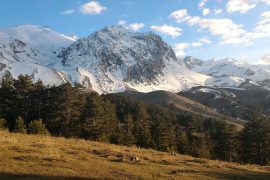
Erciyes is an extinct volcano and the highest peak in Central Anatolia. At 3,916 meters, it stands roughly half the height of Everest, yet it carries its own serious dangers. Throughout the climb, I often felt like I was living inside a scene from a mountaineering thriller.
Logistics and Approach
We left Istanbul (İncirli) on Friday night at 11:00 PM and arrived in Kayseri city center around noon on Saturday. Before heading to the mountain, we fueled up with the famous Kayseri mantı on Cumhuriyet Street and completed our shopping for basic food and water at a market.
Our destination was the main entrance gate of the Erciyes Ski Center, Tekir Plateau, at an altitude of 2200 meters. Around 4:00 PM, just minutes before the cable cars closed, we bought our tickets and ascended to 2400 meters via gondola.
Hike to the Mountain Hut
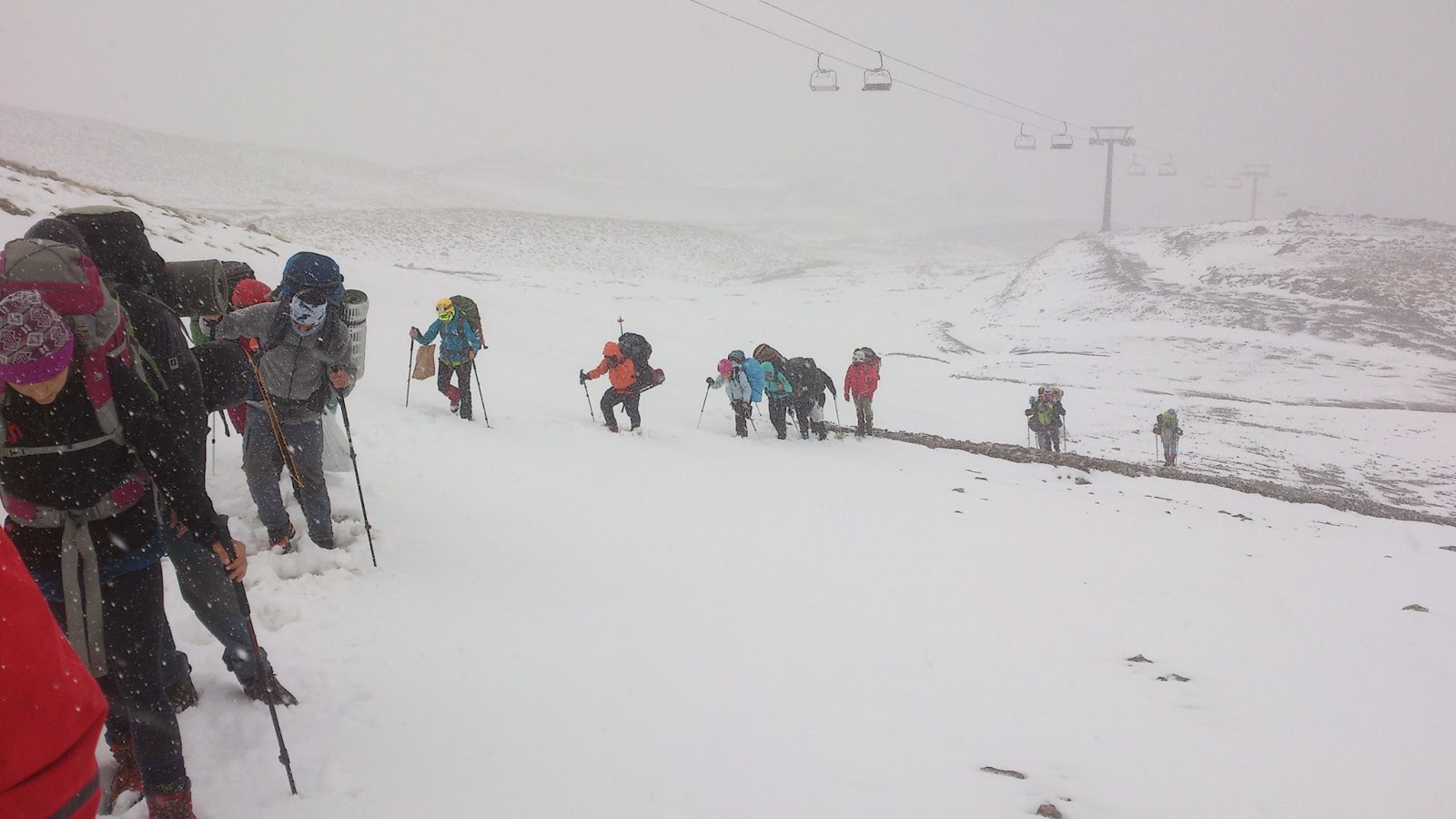
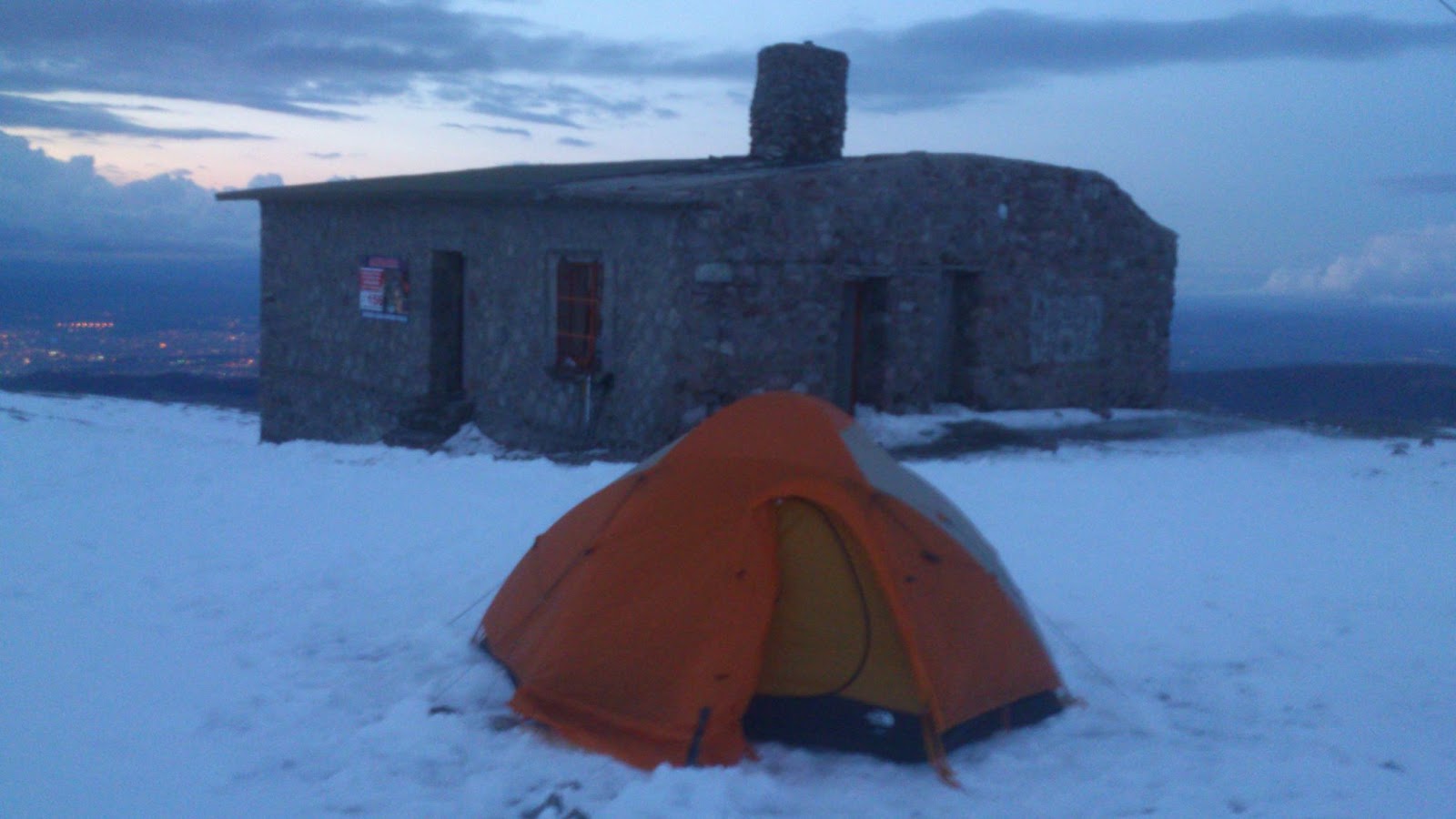
The second cable car line had already closed at 3:30 PM, so we began hiking from 2,400 m with full packs. After about 1.5 hours and 350 meters of elevation gain, we arrived at the Mountain Hut (Dağ Evi) at 2,750 m.
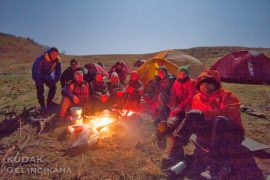
There, we met seven climbers from the Gebze Outdoor Sports Club (GEDOSK). Since the hut was too small for our group of 20, some of us pitched tents outside. We had an early dinner and went to bed around 9:00 PM. We woke up at 1:00 AM for breakfast and final preparations, and started climbing at 2:00 AM in complete darkness.
Sunday, May 8, 2016: Race Against Time in the Devil’s Couloir
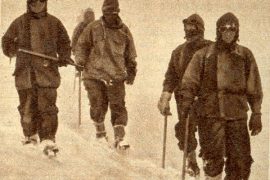
We moved slowly through the night, taking turns breaking trail. By the time we reached the entrance of the Devil’s Couloir, Sönmez Hoca expressed concern about the team’s pace and suggested turning back. Fresh snow from the previous days had significantly increased avalanche risk. After a quick team vote, the majority wanted to continue. Sönmez Hoca respected the decision and we pushed on.
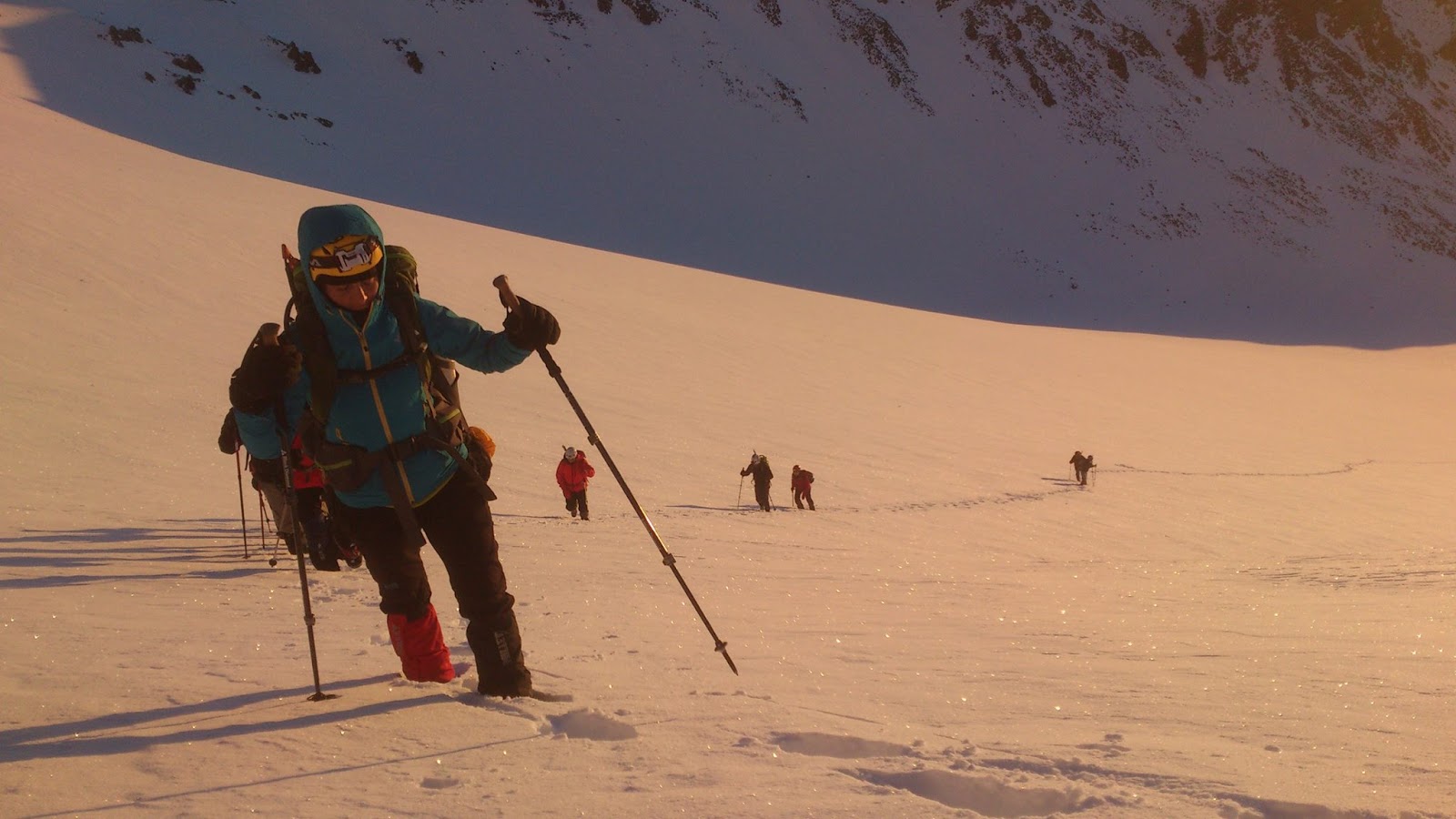
The Devil’s Couloir: Under a Rain of Avalanches and Rocks
We entered the Devil’s Route in a single file. This area harbors not only the risk of avalanches but also a serious risk of falling rocks. Sönmez Hoca set a strict deadline: “We must reach the summit by 10:00 AM at the latest, or we turn back.” The mountain forecast also warned of rapidly deteriorating weather in the afternoon.
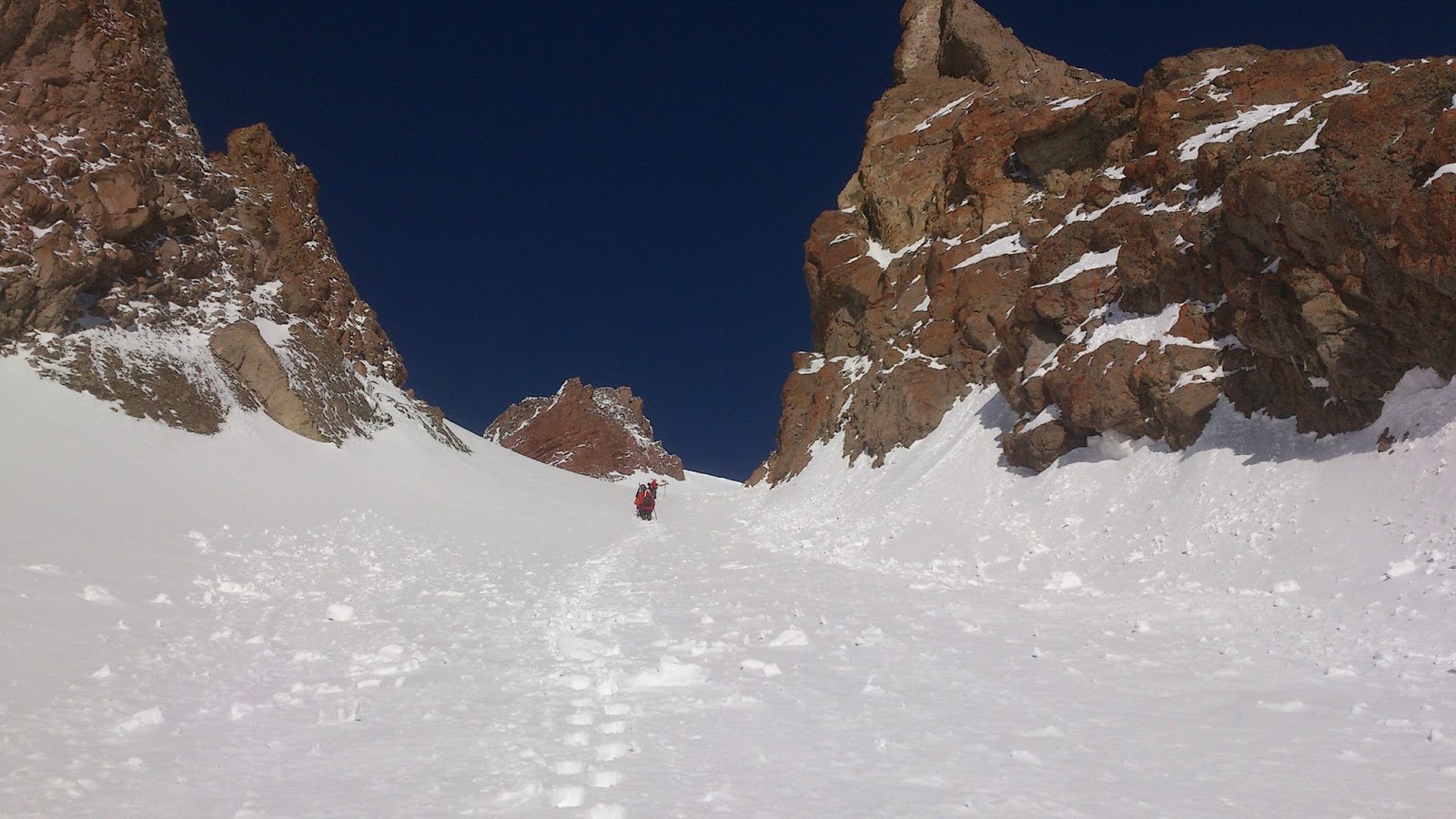
As the sun rose and the air warmed, rocks breaking loose from the crumbling cliffs above began to whistle down like bullets. There were only 3-4 seconds between noticing the first major danger and the rock reaching us. A rock the size of two fists came right at us with incredible speed. We scattered like bowling pins, the rock missed us by a whisker. A rock at that speed hitting the body would be enough to break bones. In that moment, we understood once again why wearing a helmet and moving in a single file is vital in the Devil’s Route. If you plan to come here, definitely be prepared for this.
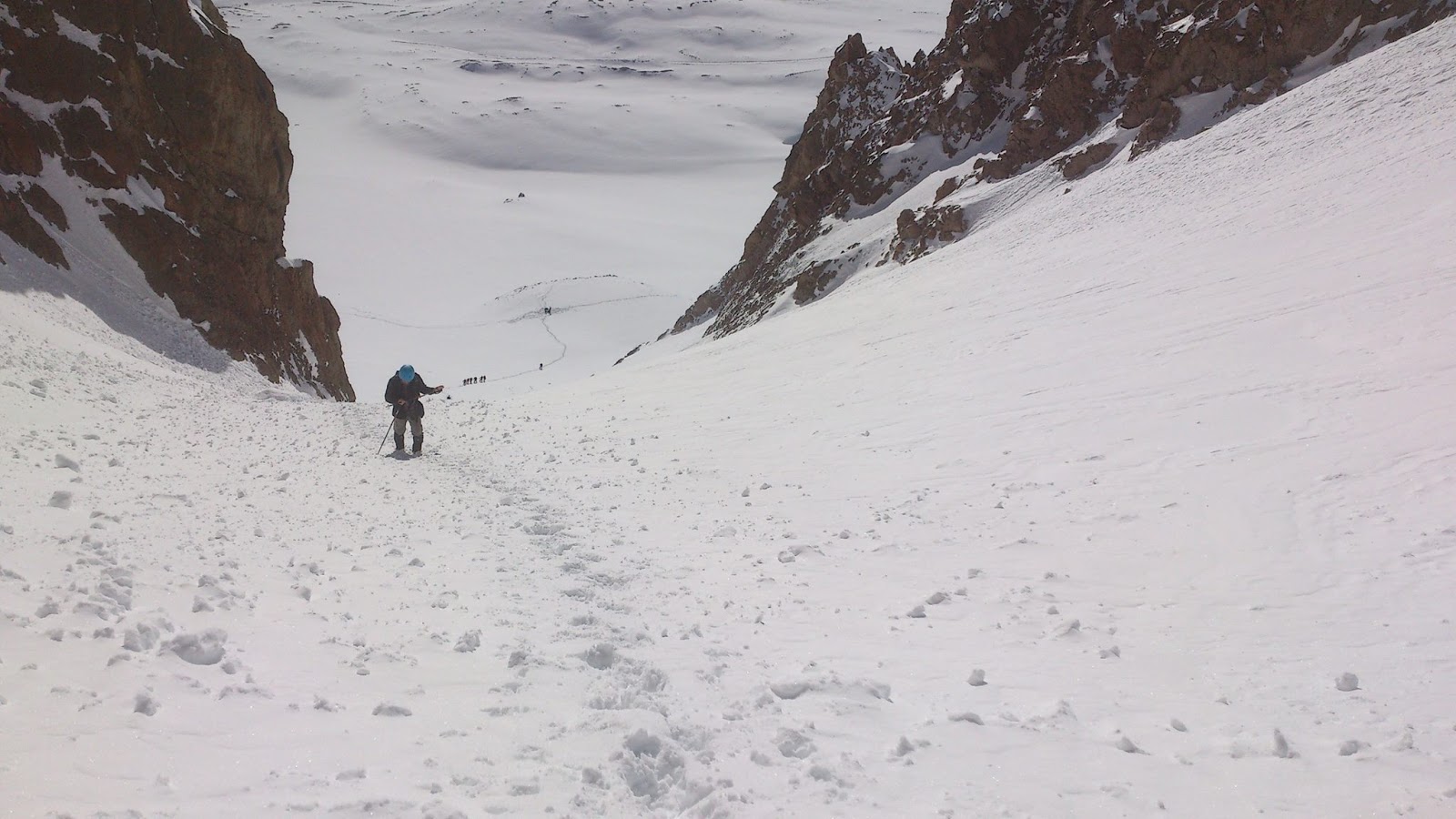
Struggling with Altitude and Fatigue
My concentration was shattered from constantly scanning for falling rocks from above. I was having difficulty taking steps. I wasn’t sure whether it was the steepness of the route or the Kayseri mantı sitting heavy in my stomach, but my performance had dropped significantly. There was a similar loss of tempo across the whole team. It was clear that the 3-4 hours of sleep taken during the night wasn’t enough for anyone.
While Sönmez Hoca kept applying “gentle” pressure with reminders of “last 1 hour” and “last half hour,” we continued to climb in pain. We pushed our physical limits by following the steps of Berk, who was breaking the trail in front of me.
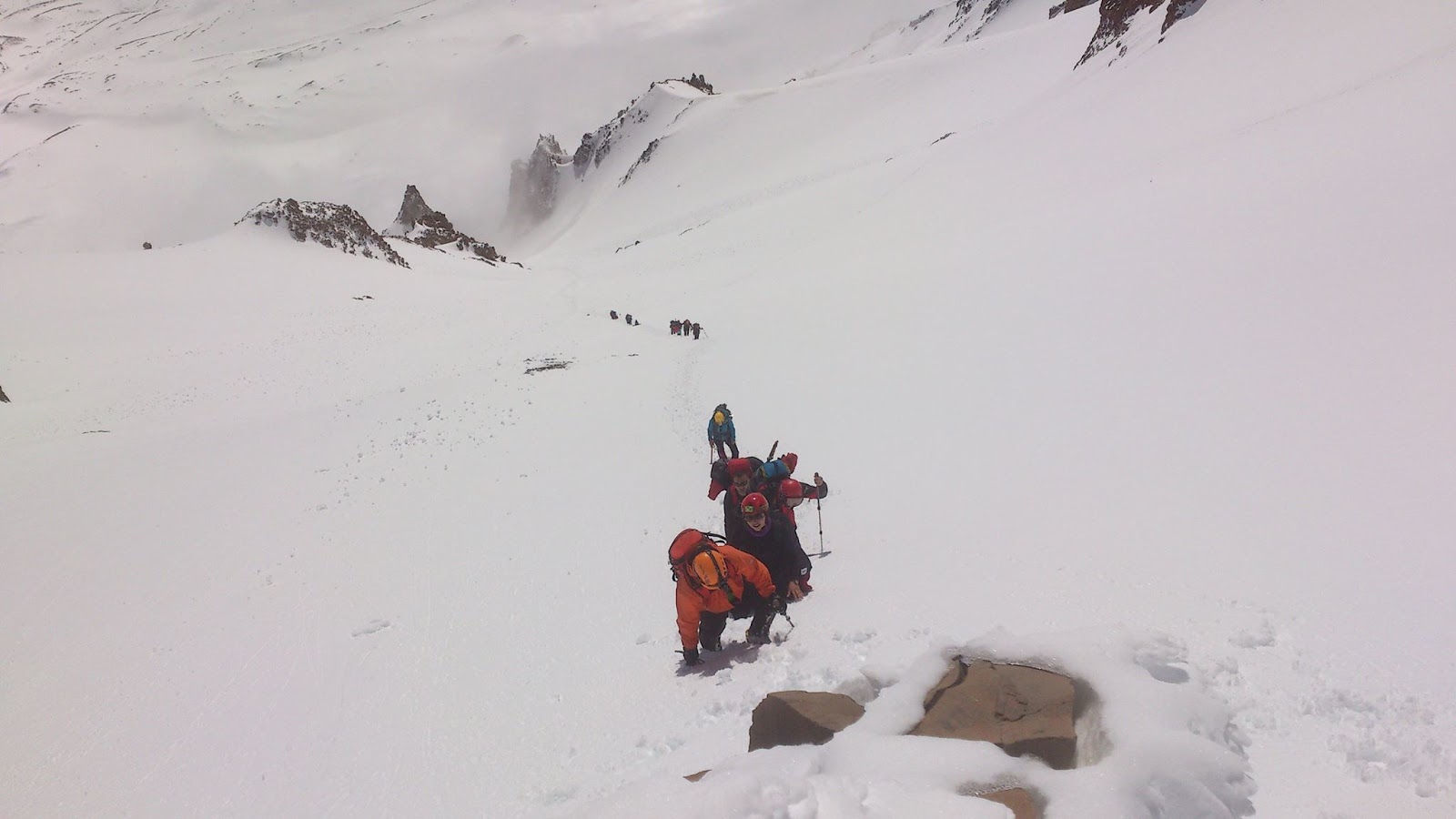
Final Steps to the Summit and Diaphragmatic Breathing
Only meters were left to the summit, but battling the deep powder snow became a complete test of willpower. Sliding back with every single step was draining both physically and mentally. I passed those final meters grumbling at the mountain internally.
At that moment, Sönmez Hoca gave a vital piece of advice: “Take diaphragmatic breaths!”. This was very timely advice. Diaphragmatic breathing is something all athletes and those who work with their voice should use. It’s actually something we do naturally as babies, but then we forget it as the body tends toward laziness. There are various exercises to learn diaphragmatic breathing; you can find them online.
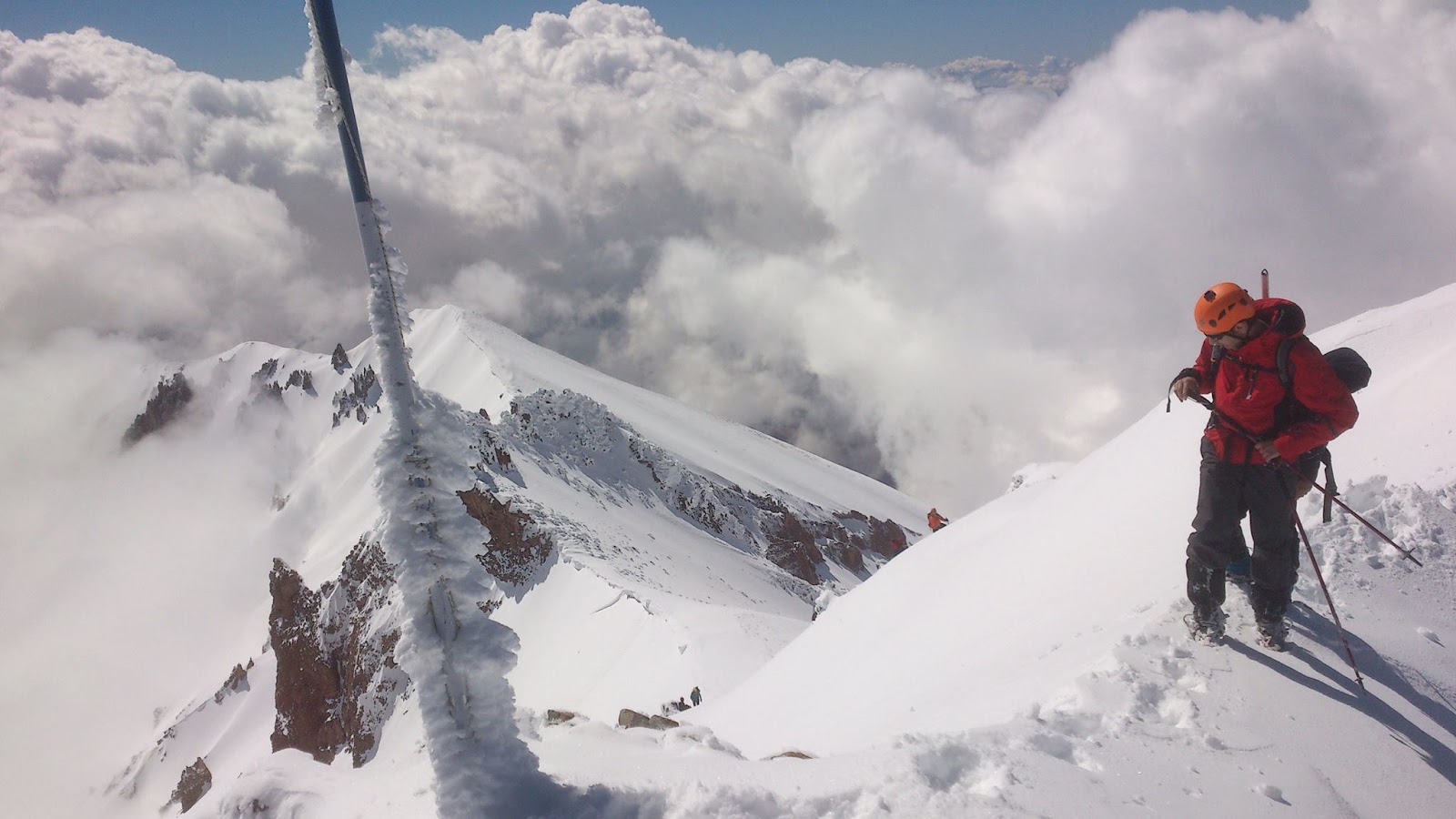
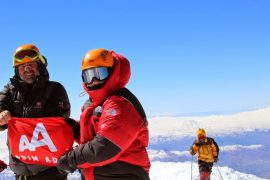
At 10:10 AM, our team of 8 finally reached the summit! During the crossing on the summit ridge (the knife-edge), Sönmez Hoca’s warning was meaningful: “The right side is the Adana side, it’s a cliff; the left side is the Kayseri side, easy access. If you fall, try to fall toward Kayseri!”. Ironically, seconds after this sentence, our instructor’s foot slipped and he stumbled toward the Kayseri side, managing to regain his balance at the last moment.
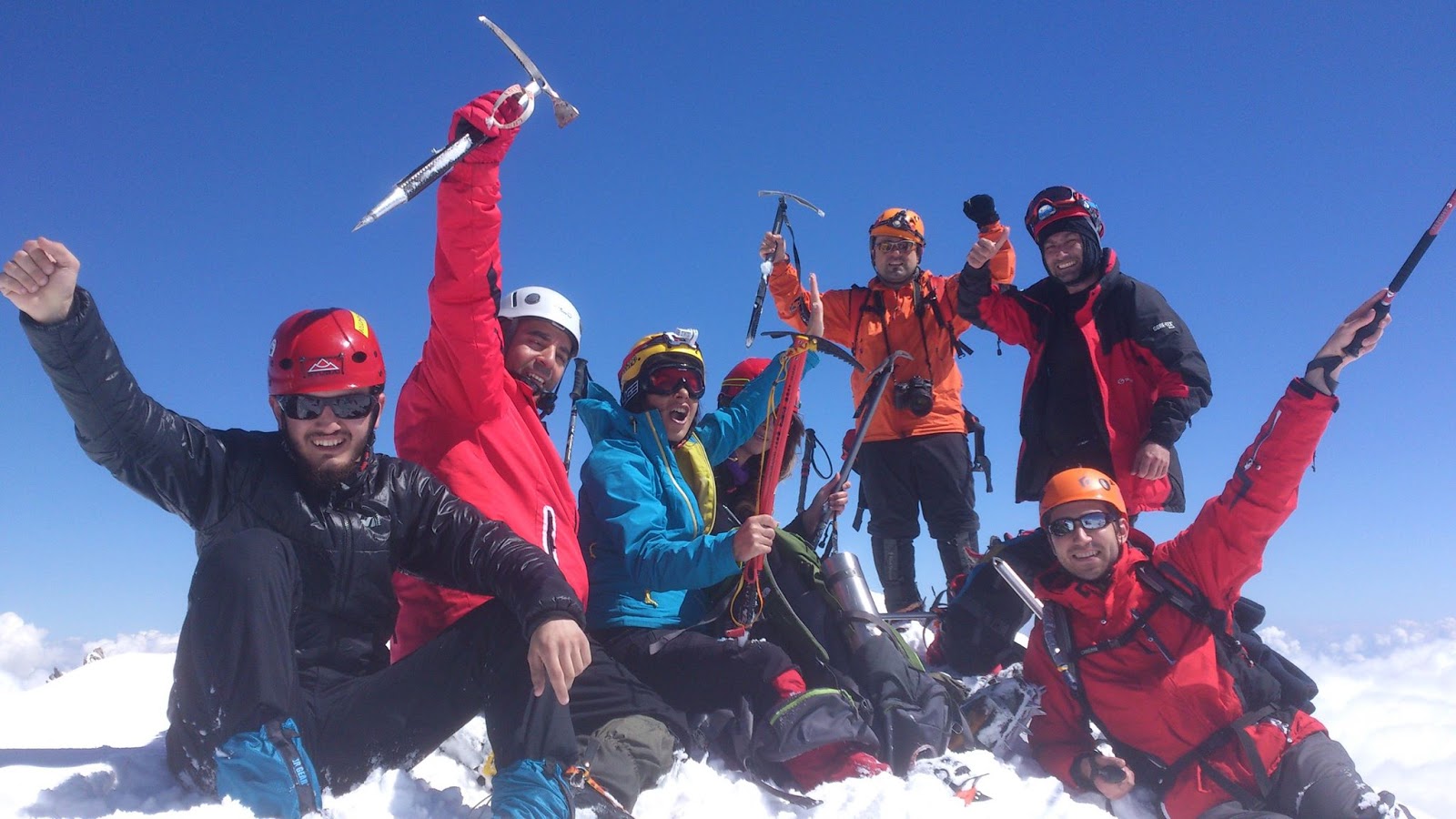
The summit was quite narrow, with at most 10-15 people able to stand together. While taking a group photo, another group of 3 people approached us. We told them to be careful of the snow cornice (a mass of hanging snow accumulated by the wind). When we saw they didn’t understand, we realized they were foreigners; they were from Ukraine. We congratulated them as well.
Everyone is in a rush to take photos… Since Sönmez Hoca is hurrying us up, we don’t find much opportunity to take pictures. He says dark clouds and fog are coming. The weather can turn in an instant. Friends from the Gedosk club also reach the summit. We congratulate them too. With Sönmez Hoca’s persistent requests to return, and as the summit gets crowded, we begin our descent.
Descent: Traffic in the Narrow Gorge and the “Postman” Fear
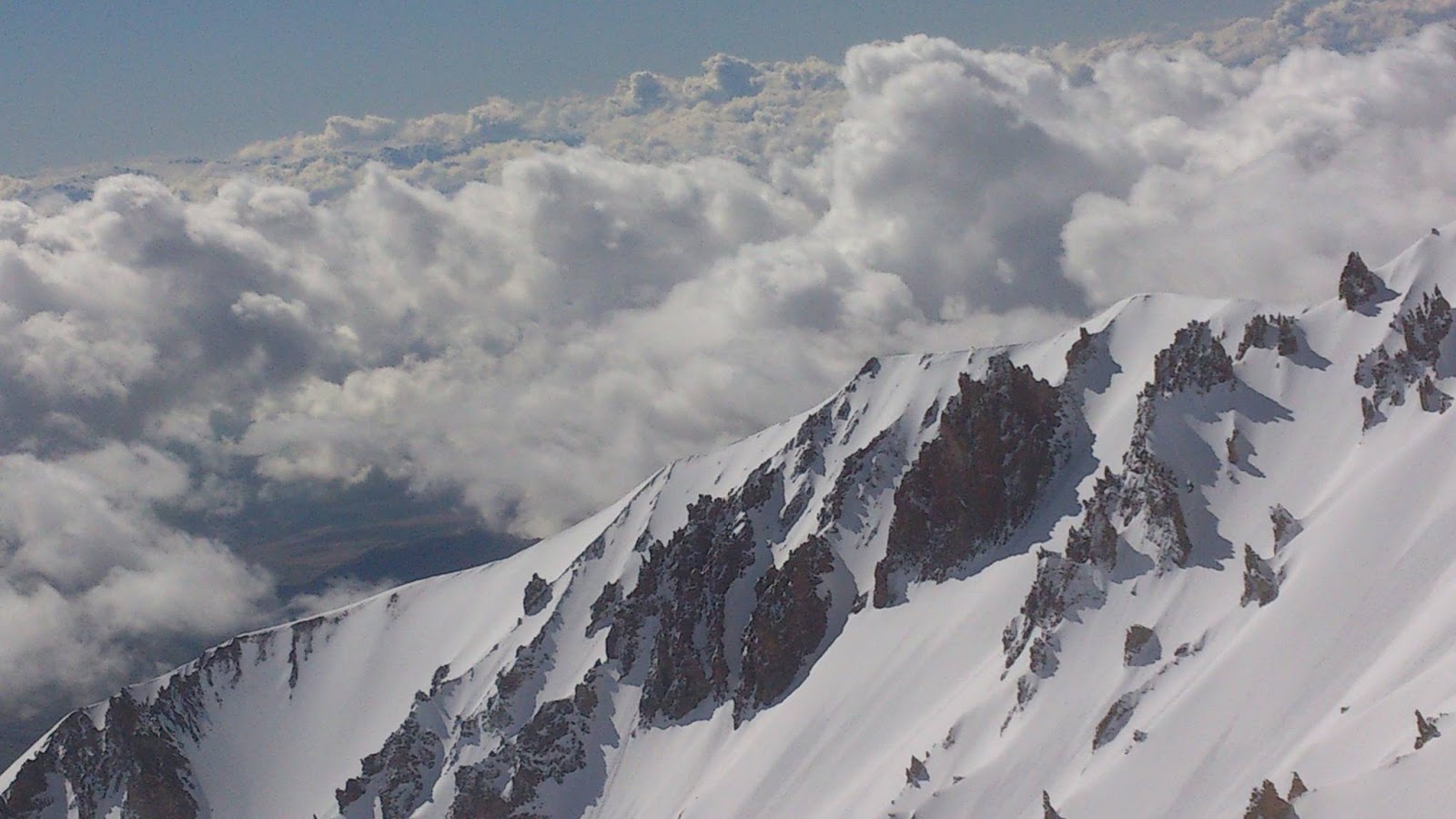
We see another group of mountaineers coming from below. There is a narrow gorge just beneath the summit. Traffic gets jammed here. We wait for those below to complete their ascent first. The weather is about to turn. Scenes from the movie “Everest” start playing in my mind. I think to myself, “Here we go, the second half is starting, dark clouds are arriving, and the mishaps are about to begin.” Meanwhile, I turn to the Ukrainian climbers waiting in line with us for the descent and ask where they are from. They are from Kharkiv. I want to turn to those passing by and ask if there is a “postman” among them, but I’m afraid. Oh, postman, oh! You burned both yourself and everyone else!
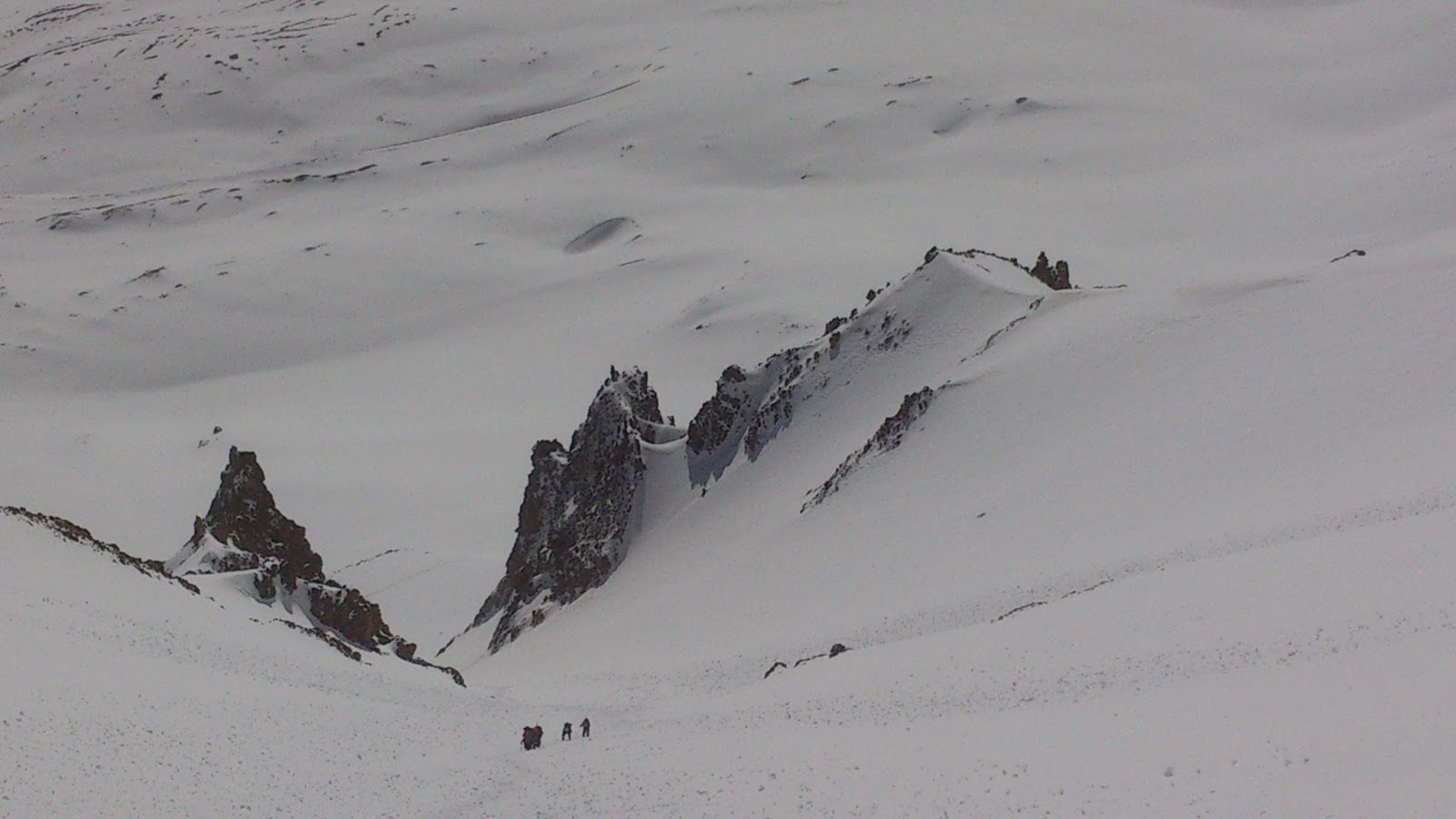
On the way down, I helped a teammate who had fallen behind and was feeling hesitant. The fog had rolled in, and visibility was dropping. The advice I gave him was essentially the summary of mountaineering: “As long as you have an ice axe in your hand, there’s no need to fear; an ice axe is a mountaineer’s most loyal weapon.”
The Most Enjoyable Way Down: Controlled Glissading
The fastest and most fun way to descend is undoubtedly “glissading“—sliding on the snow. Using our ice axes for safety, we glided down the snow in a controlled manner. We descended the Devil’s Couloir, which took us hours to climb, in just a few minutes by sliding. While basking in the peace of leaving the couloir safely, Erciyes began to bid us farewell with a fresh snowfall. After a short break at the hut, we packed our gear and headed toward our vehicle waiting at the entrance of the ski center.
Snow Blindness: The Price of a Moment’s Negligence
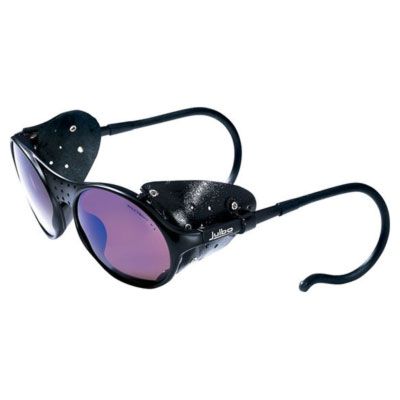
When we got into the vehicle, we noticed that one of our friends couldn’t open their eyes and felt a pain like needles stabbing them. They had taken a break from using goggles during the descent and unknowingly contracted snow blindness (photokeratitis). We rushed to Kayseri Training and Research Hospital. Fortunately, their condition was relieved with the intervention and eye drops provided at the hospital.
A Meaningful Conclusion
Another detail that made this climb meaningful was that the date coincided with Mother’s Day. When we reached the summit, our first task was to call our mothers and tell them that we dedicated this challenging climb to them. To our own mothers, who stand by us in every hardship and give us strength with their prayers, and to all the mothers in the world, we dedicate this summit.