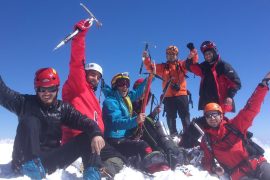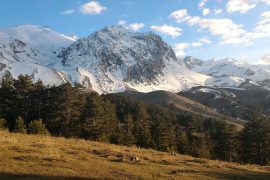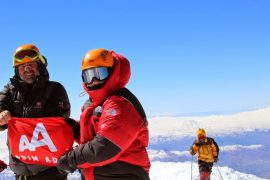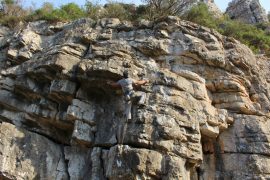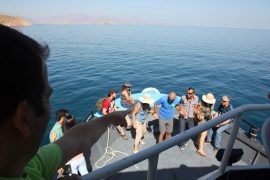
This weekend our route is the majestic Sultan Mountains of Afyonkarahisar. We are setting off under the leadership of Sönmez Erkaya and together with Koç University Mountaineering Club (KUDAK). Our goal is the Gelincikana summit, the highest point of the mountain at 2675 meters.
The stories told about the name of this mountain range are quite impressive: According to legend, the Great Seljuk Sultan Melikshah positioned his army on the slopes of this mountain during a war with the Byzantines; from that day on, the region began to be called “Sultan Mountains.”
A dynamic and bright group of 29 people is participating in the activity. Seeing the young friends takes me back to my student years, to the 90s without fail. In our time, it was difficult to access quality technical equipment. Even if you had the financial means, the options were not as wide as they are today.
Nowadays, we can find new season products from abroad in our country. Although technical equipment still requires a serious investment, the rental opportunities offered by clubs make this sport much more accessible to everyone.
The companies selling nature sports products in the place where I live, Istanbul, are concentrated around Karaköy and Kadıköy. From my own observations and what I hear from my circle, the sales staff working there guide people correctly regarding their needs. Although the number of those who actively go to the field and use this equipment is small, those who demand these products are usually the researching segment, so both sides complement each other.
When you are going to buy new equipment, I recommend first trying to borrow it from the club you are a member of or from a friend. This way you can make the right investment in the right product. For example, you can only understand in the field whether a baton with a twist lock mechanism or a clip system is more suitable for you.
You can see the practicality of a single-setup and double-door tent as you use it. Also, when investing, it is better to choose thinking about your long-term usage needs rather than the place you will go to in 1 week. For example, a sleeping bag can serve you for a lifetime with careful use compared to other equipment. When buying, you should pay attention to its lightness rather than getting too caught up in temperature ratings. There are silk liners produced for sleeping bags. You can consider using a liner for long years of clean use.
From Malls to Nature: Changing Consumption Habits
Since I started engaging in nature sports, my consumption habits in city life have changed radically. Now, even if I wander around huge shopping malls for hours, I cannot find a product that interests me. The jeans I used to prefer frequently now seem very dysfunctional to me; they make you sweat in summer, freeze you in winter, damage water resources in production, and have little counterpart in nature… They should have been history long ago. I preferred them for years just because they were cheap. Of course, there was a time when Levis 501 was popular. We would save money to wear them. Converse basketball shoes were also fashionable. Even though they bothered my flat feet, I wore them because they were popular. I am grateful that I left these shoes, which do not support the foot structure and cause pain when worn for long hours, without flat feet. These are products that I bought influenced by popular culture even though their use did not suit me.
I experience a similar feeling in supermarkets since I changed my eating habits. I often leave big markets without finding anything to eat except a few basic things like bread and milk. Supermarkets are probably the last place to look for high-quality wholesome food. My current shopping habits have shifted towards smaller, boutique places. Maybe I miss the neighborhood grocers, I don’t know.
The Price of Forgetfulness: Mecidiyeköy-Home Shuttle Runs
On Friday night, I left home around 22:00 to catch our vehicle departing from Mecidiyeköy at 23:00. While distributing the bribe meats I prepared so that the neighborhood dogs wouldn’t “bag bark,” I thought since I caught them calm, let me take a photo. The moment I pressed the shutter, that terrible message appeared on the screen: “No memory card.” I had forgotten the card on the computer! Not in a rush but at a “quick quick” pace, I returned home, took the card, and set off again. When I arrived in Mecidiyeköy, there was still time before the bus arrived. I started mentally checking my bag:
- Whistle? Okay.
- Gaiters? Okay.
- Gloves and Buff? Okay.
- Headlamp? …Oh no! I forgot this one.
One of the most critical pieces of equipment had been left in the drawer at home. I immediately hailed a taxi, went back home, then back to Mecidiyeköy… Fortunately, the bus was a bit late, so this “forgetfulness marathon” ended happily without disrupting our plans.
Lesson learned: Definitely prepare a checklist! Relying only on memory when materials are scattered all over the house means racing taxis in Istanbul traffic at midnight.
Travel Comfort and Afyon’s Famous Clotted Cream
In Afyon, with the first lights of the morning, we say hello to that famous cold. In the square of Çay district, we head to a local grocery store to complete the last missing items before the tough hours on the mountain. I already have 4 liters of water in my bag, but you never know about the water source at the campsite; it might be frozen or dripping and driving you crazy. Knowing that the golden rule is to act as if there is no water on the mountain, I add another solid 5-liter backup, ignoring the weight of my bag.
The shopkeeper uncle comes alive when he sees a bus full of mountaineers at his door at this early hour. While I was indecisively looking around the shelves wondering what to buy, the uncle reveals his secret weapon: Famous Afyon Kaymak/Clotted Cream. His sales strategy is flawless in one word:
– “Look, this is water buffalo clotted cream, straight from the producer!”
– “You can’t find it for less than 10 lira at roadside facilities, I’m only selling it for 7.5 lira!”
– “Your breakfast table will be the coolest one, take this!”
I couldn’t help thinking inside, “In this day and age when buffalo milk is so valuable, can you really get real buffalo clotted cream at this price?” But it was impossible to resist the uncle’s incredible energy and his sales pitch. Even if it turned out to be regular cream, that clotted cream would be eaten in honor of this sincere bargaining story.
| Item | 2013 Price | 2026 Estimated Equivalent* |
|---|---|---|
| Afyon Clotted Cream | 7.50 TL | ~350 – 450 TL |
| Honey | 2.00 TL | ~85 – 120 TL |
| 5 Liters Water | 2.75 TL | ~40 – 55 TL |
*Approximately calculated based on 2026 market conditions and inflation.
While making these “symbolic” payments with the economy of those days and leaving the shop, we had not only bought breakfast but also a story that would warm us on the mountain. Now we are ready to head towards the foothills of the mountain!
Tractor Operation in Yakasinek and Village Rivalries
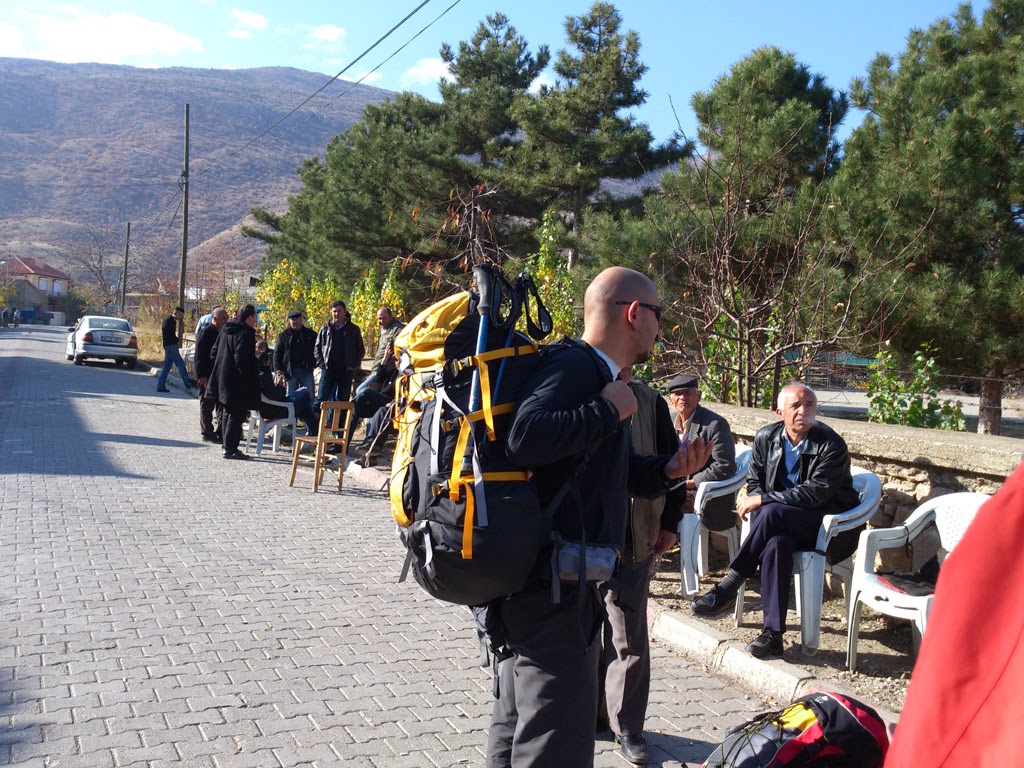
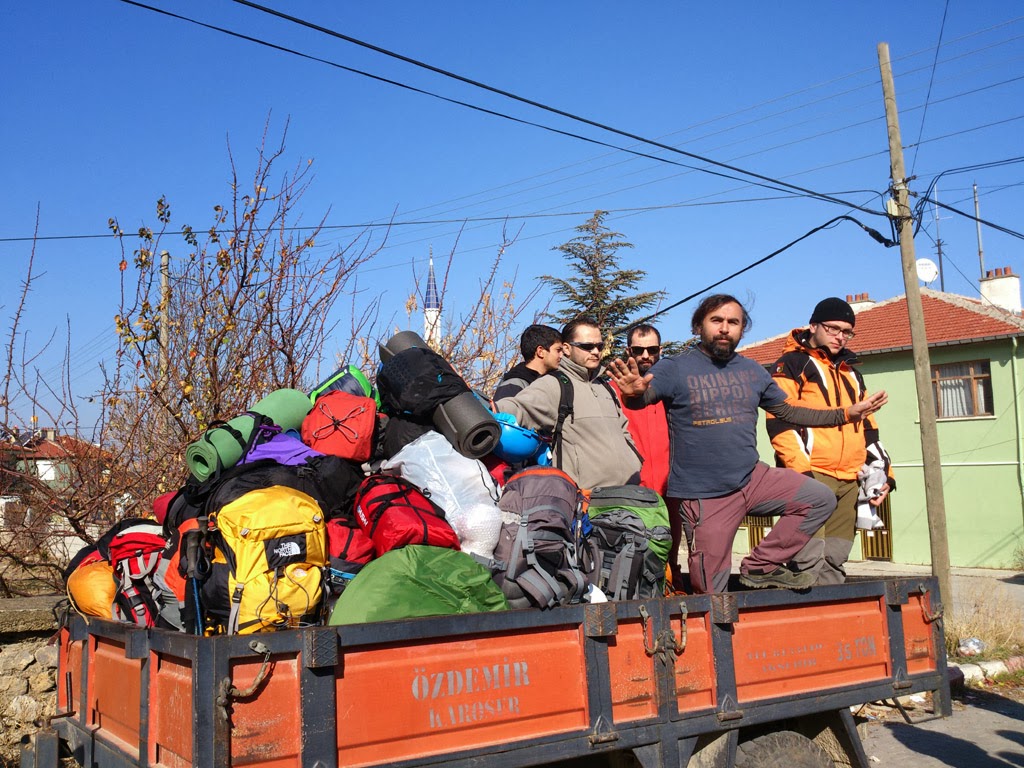
The locals have lined up their chairs all along the wall across the road to enjoy the morning sun and are having a good time. Thanks to Sönmez Hoca’s intense lobbying efforts and persuasion skills, a tractor is arranged in a short time.
One President, Two Towns: Yakasinek and Deresinek
While we’re here, we cannot pass without telling a famous story. There has been a rivalry, a kind of sweet feud, between Afyon’s neighboring towns Yakasinek and Deresinek for about a century. So much so that no one remembers the original reason anymore.
The most tragicomic peak of this rivalry occurred during the Afyon earthquake in 2002. While the then President Ahmet Necdet Sezer was visiting the region and returning to Ankara, the people of Deresinek blocked the road with Turkish flags in their hands. The President, not wanting to upset his fellow citizens, made a short visit to Deresinek even though it was not on his schedule.
Upon hearing this, would the people of Yakasinek stay idle? They complained to their own mayor saying “We lost the President to the neighboring village,” and the incident even turned into some scuffle. After this incident was covered by the press, the Yakasinek Mayor suddenly became one of the most popular names in Turkey; he hosted governors and was appeased from Ankara.
Camp Life and Gear Experience: On the Husky Felen Tent
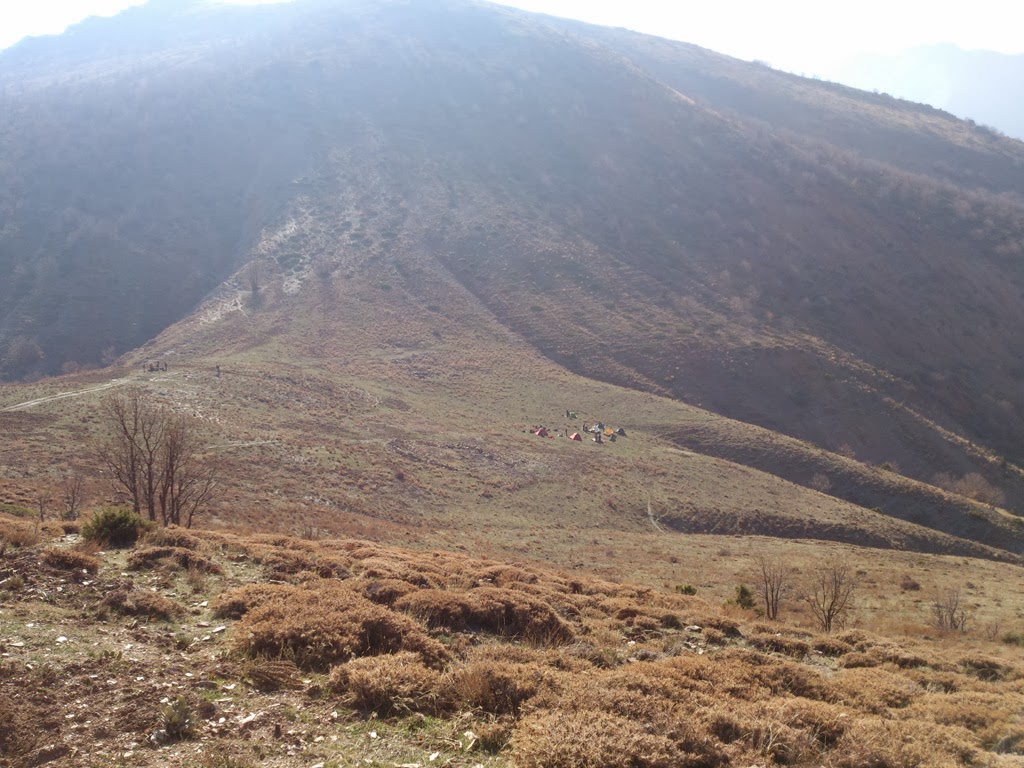
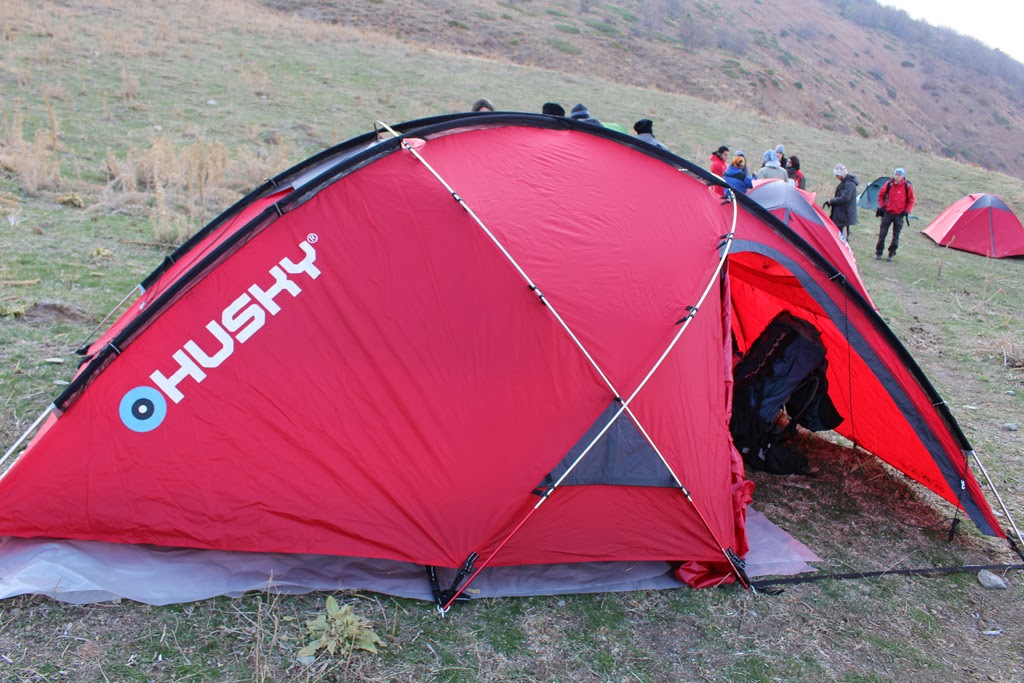
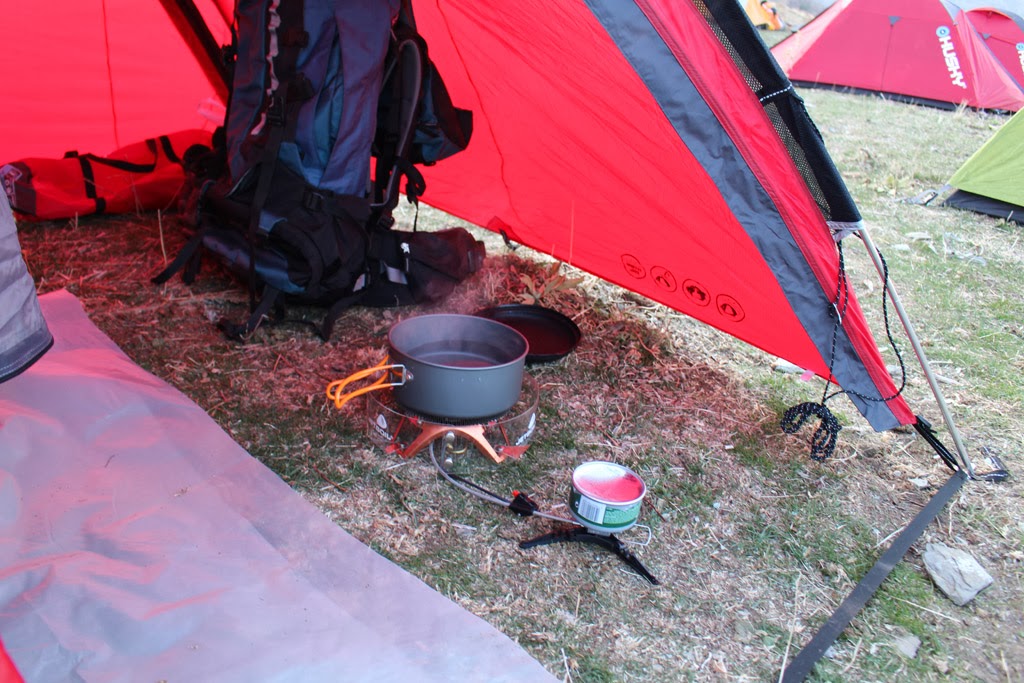
Felen’s biggest disadvantage is its weight. This 3-4 person model weighs a full 5.6 kg. It is not in a very ideal carryable range for one person; the poles and tent stakes are about 2 kg. We share these with my tent mate to bring the load to a reasonable level. Also, I don’t know if the lack of a snow skirt on such a heavy tent is the manufacturer’s effort to save weight.
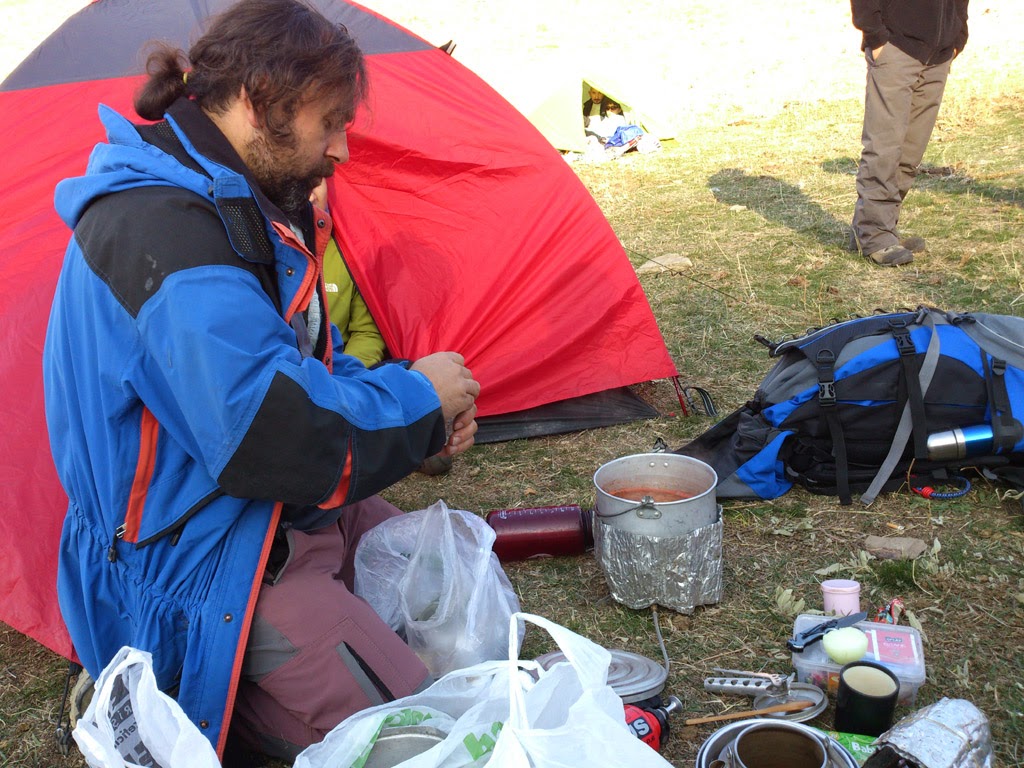
After the meal, Sönmez Hoca goes on an exploration trip with those who want to join. I don’t join the trip because I am tired after the 2.5-hour walk. No one stays in the camp. I retreat to my tent and rest. While resting, I eat sunflower seeds. An unexplained sadness fills me. I pick up my phone, open my music list randomly, and our Sun of Art Zeki Müren starts with his unique voice: “Kahır Mektubu”.
It is no less than a thirty-minute painful journey… The late artist throws me like a ship tossed in a storm, here and there.. I become even more saddened. You need to keep morale high on the mountain. So I close the phone without looking at the next song. To avoid coming across songs that devastate a person…
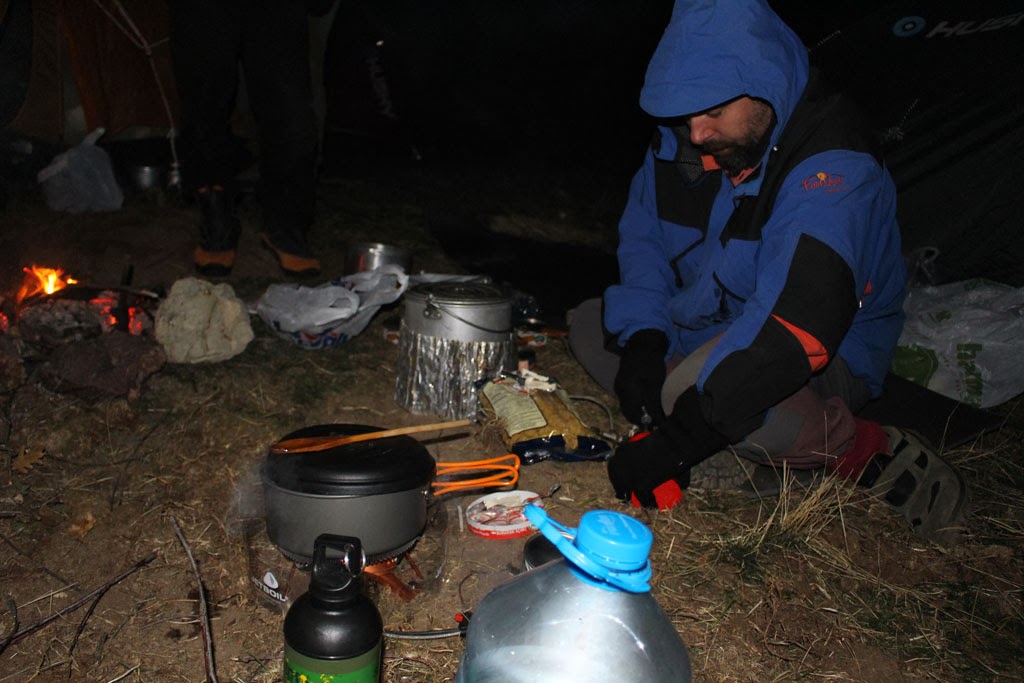
Those who joined the exploration trip return to the camp as it gets dark. We start preparing dinner. While Sönmez Hoca is cooking, he gets cold at one point. He goes to his tent and comes out with his goose down vest. I don’t know any technology yet that surpasses goose down for protection from cold. Although Hungary and Poland lead in this regard, I have always wondered why the potential of our Kars region is not evaluated.
Goose liver is an economical value as food. I was saddened to see that they force-feed the animal with a tube to enlarge its liver. I don’t know much about how the feathers are obtained. Previously, I had an ethical discussion with my colleague Hakan about goose down. I said I am in favor of raising such animals and benefiting from their meat and feathers (in a humane way!). After all, we are not killing these animals for decoration or to look beautiful. Hakan was of the opinion that animals should not be preferred when there are synthetic alternatives.
While expressing my concerns about the methods of obtaining goose feathers, Hakan asks a more radical question:
“If a more advanced species came in evolution and said they would pluck all your hair alive because they needed it, how would you feel?” Even though I answered him, “They could sedate and do it,” the justified point underlying his question bothers my mind. Still, it is still very difficult for me to give up the “baby swaddle” comfort offered by a goose down jacket on the mountain…
Global Conversations by the Fire: From Taiwan to Sultan Mountains
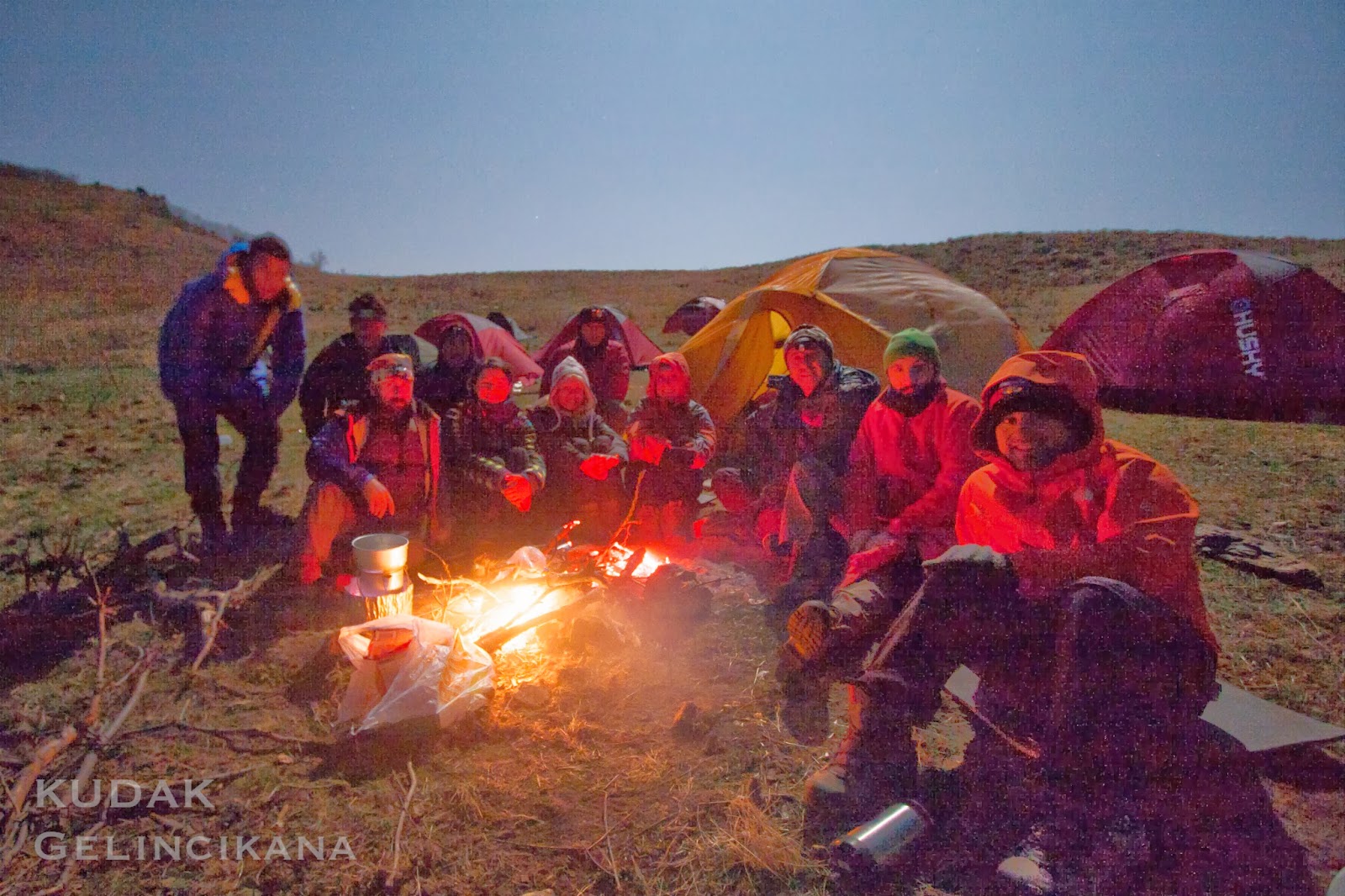
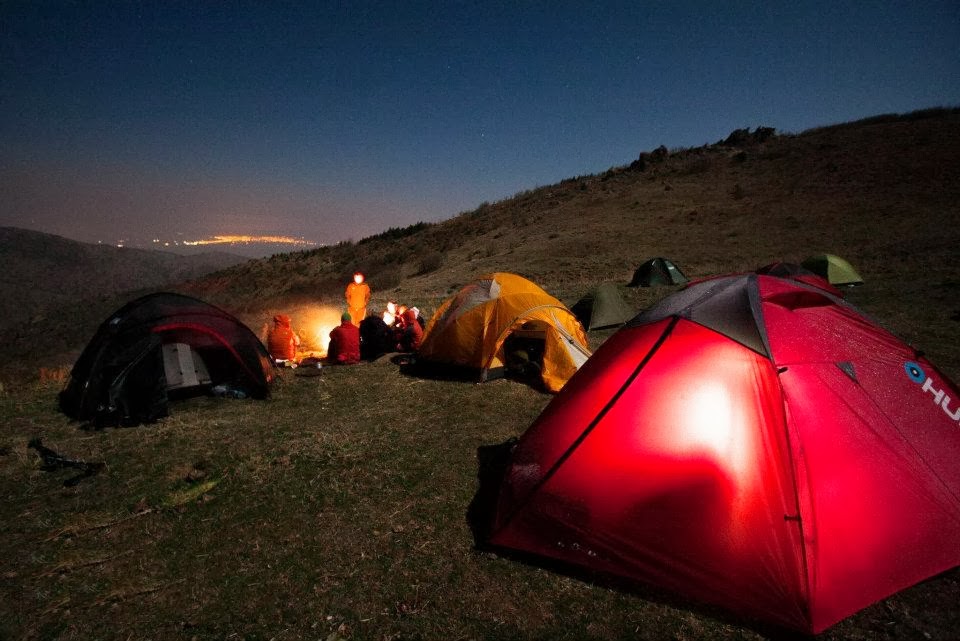
Then came the curious question that all of us fall into from time to time: “How can we tell from appearance if someone is Taiwanese, Korean or Chinese?”
Wang answered with a smile:
“It is almost impossible to distinguish from the outside. You might make a guess from the eye shape, but you can only understand the definite result from the accent and speech.”
Inside, I thought, “Well Wang friend, I can’t distinguish those languages either; they all sound like chan chin chon to me, how can I find the homeland from the accent!” but outwardly I thanked him politely. Coming from different geographies and chatting by the same fire, looking at the same mountain; it was one of the most beautiful details that made us forget the physical fatigue of the climb.
Summit Day: Cold Breaths and Vital Warnings
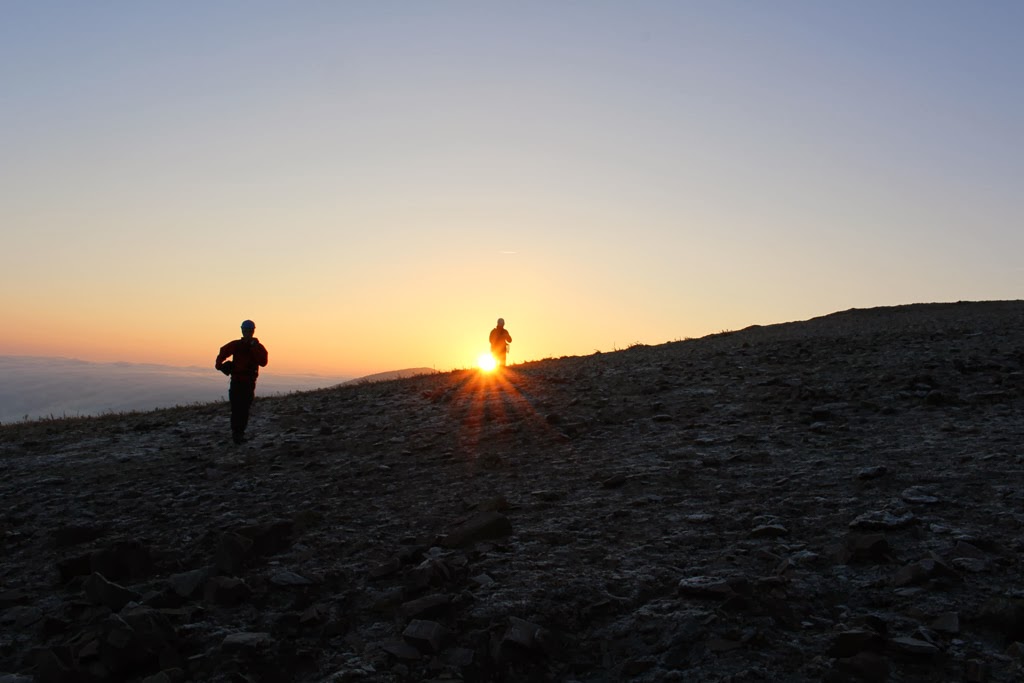
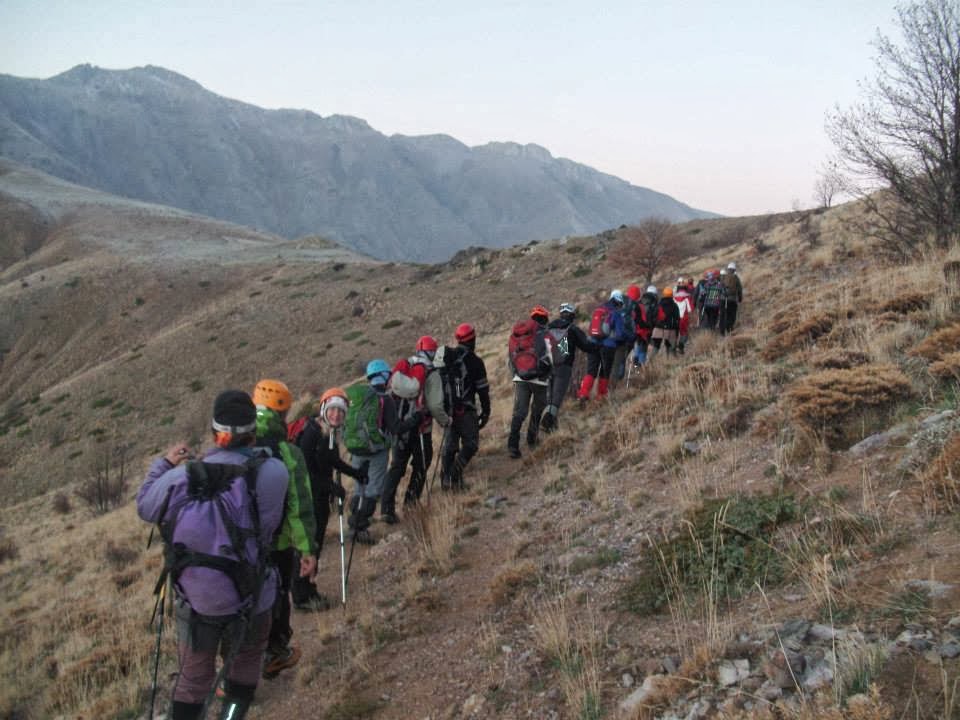
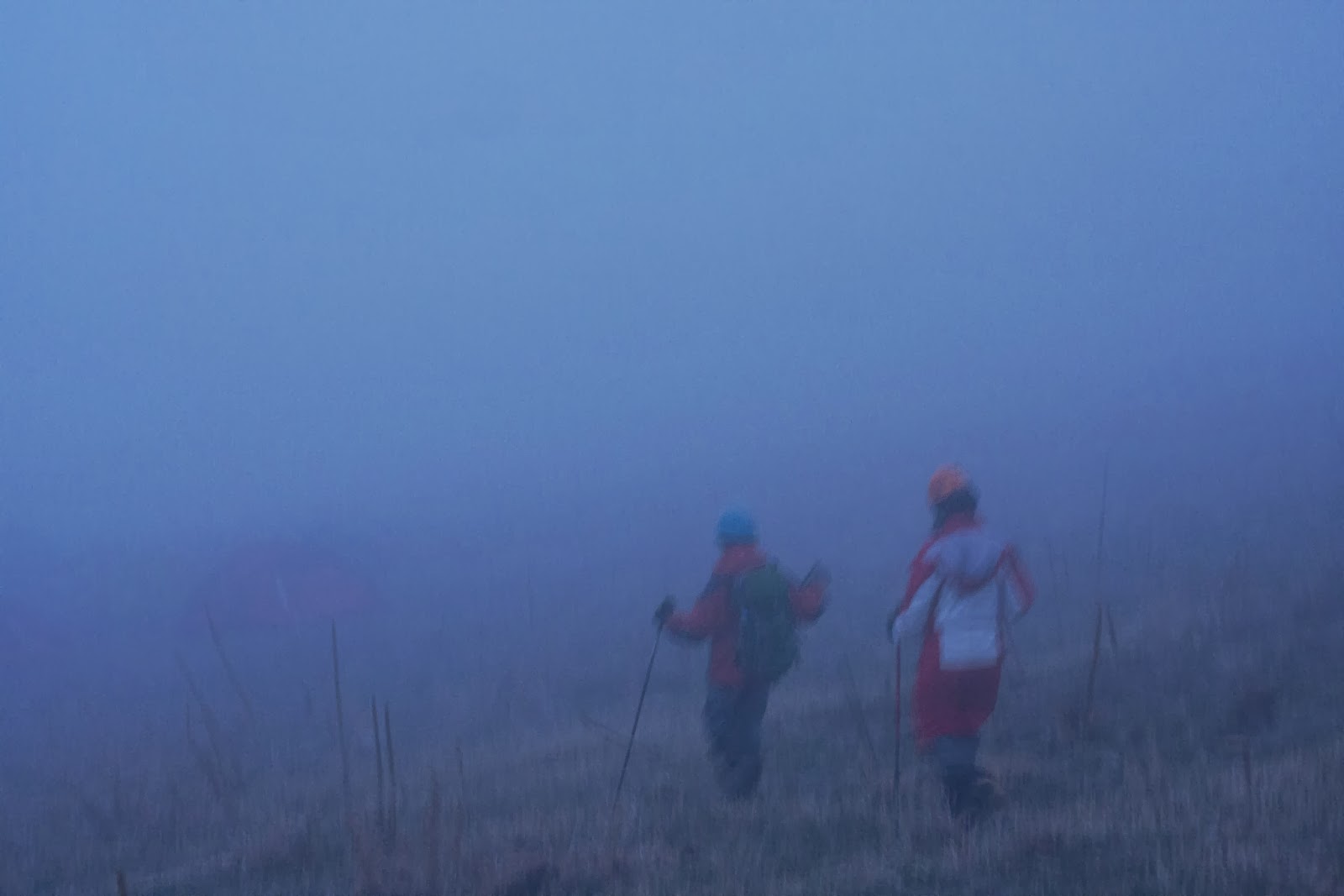
“Even if it’s empty, everyone will carry a bag. If you get separated from your friend, all your vital connections are cut. Moreover, in case of a fall, that bag is the only shield that will protect your back.” We don’t know yet that we will experience the truth of these words in a few hours.
Leadership Rotation and Rockfall
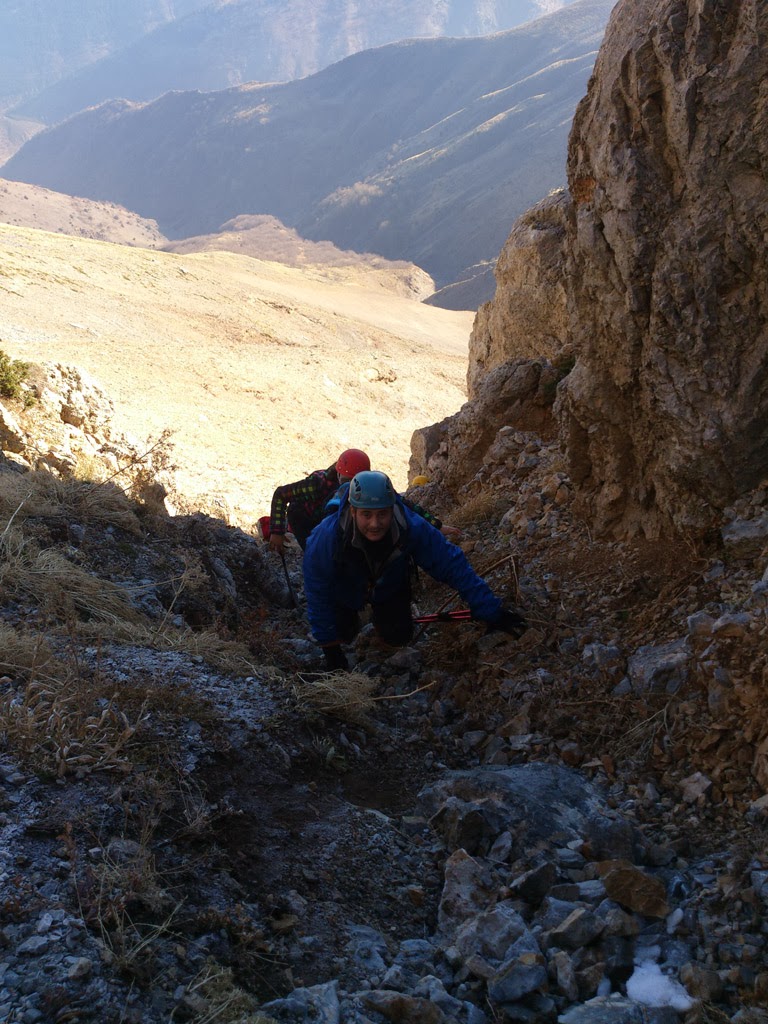
Sönmez Hoca applies a rotating leadership system so that everyone takes responsibility. The person at the front leads the group for a while, and when tired, goes to the very back. However, leadership is not just knowing the way, it means looking after the group. When I was leading, I received a “gentle” warning from the teacher because I didn’t notice a friend who had fallen behind. On the mountain, one is for all, and all is for one.
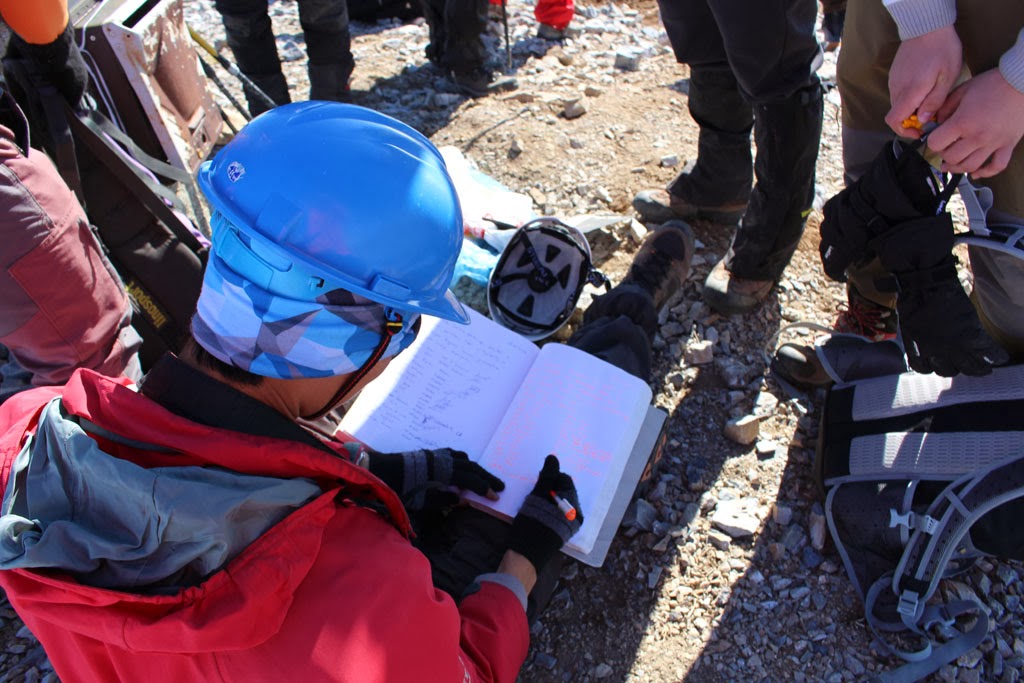
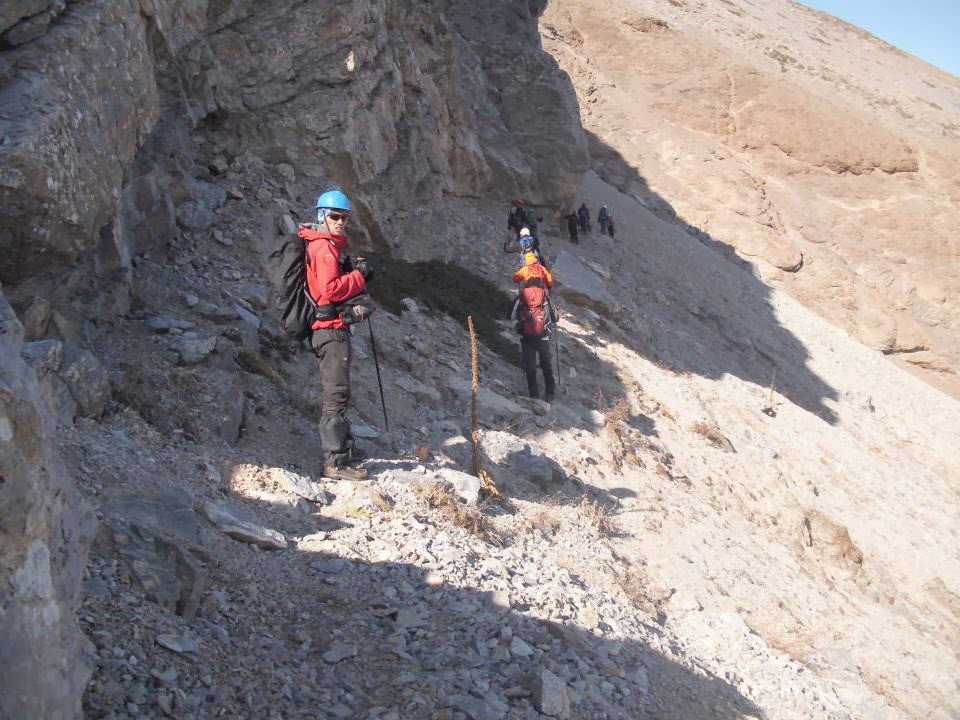
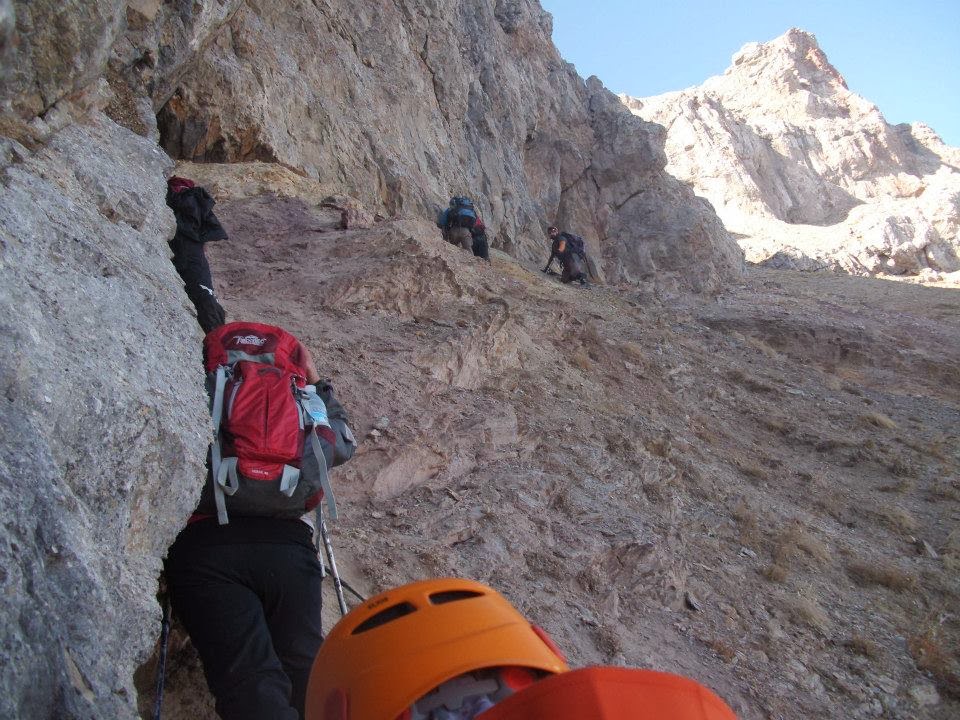
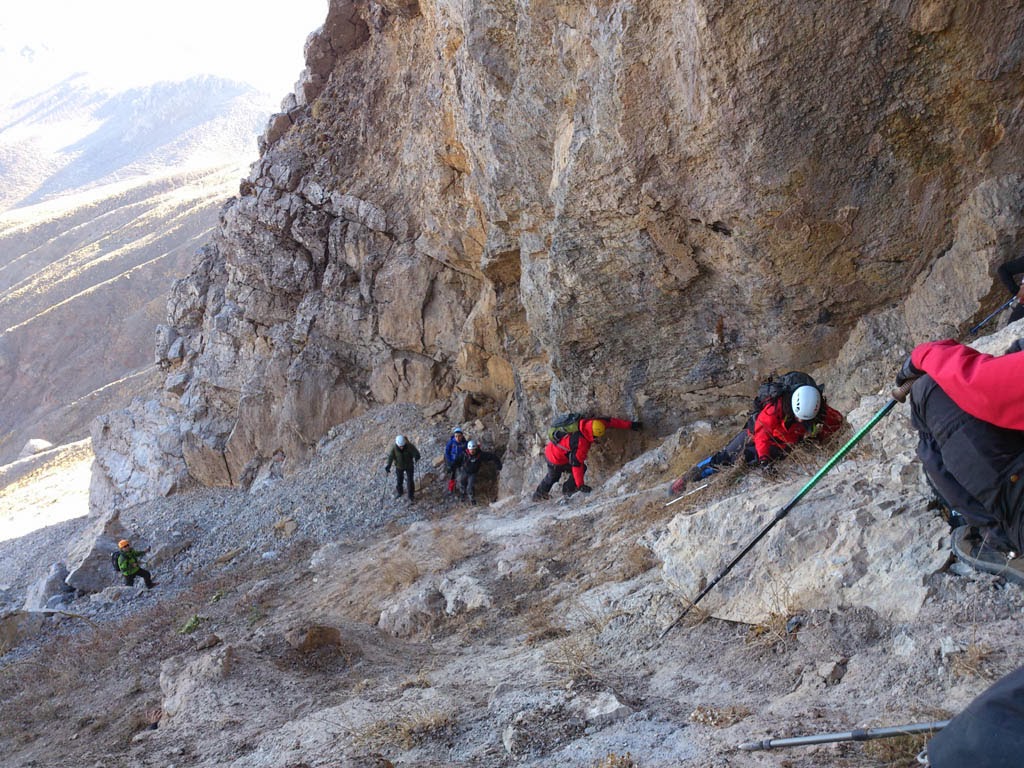
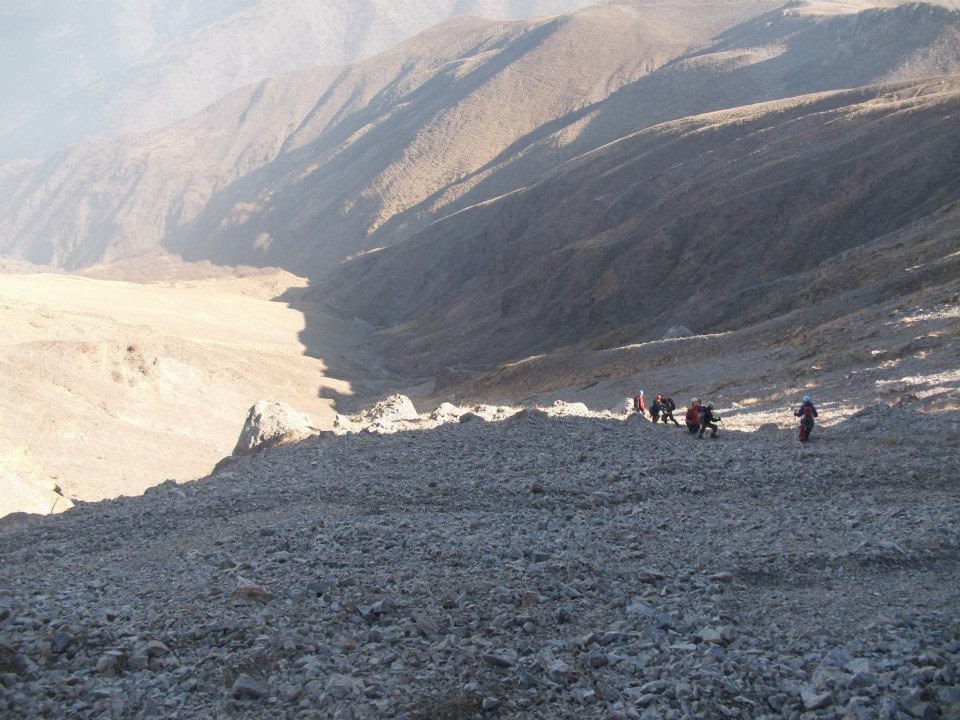
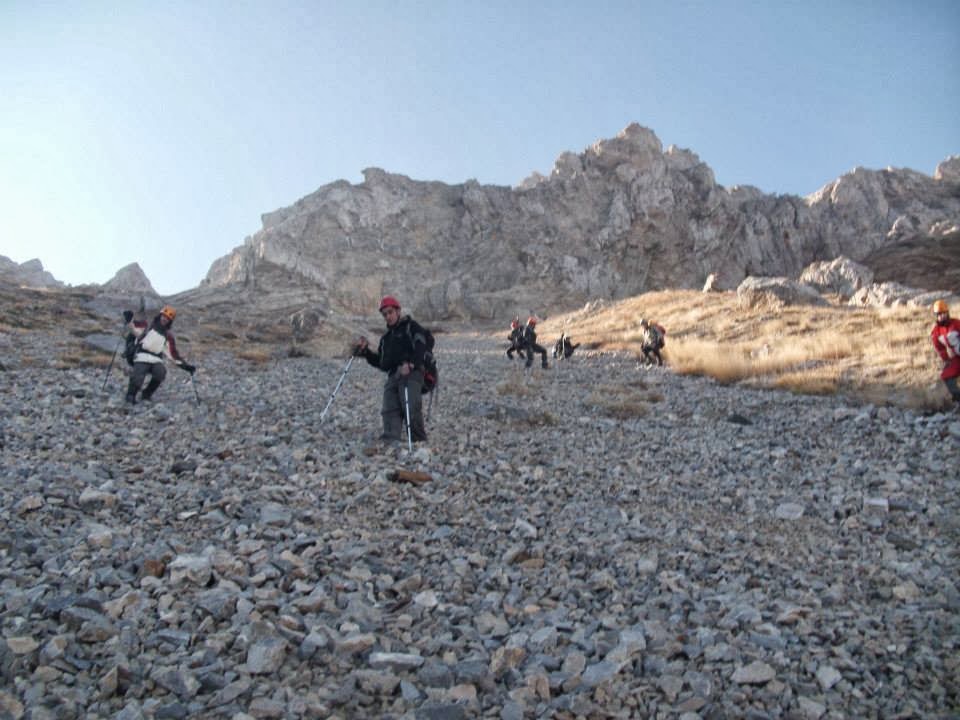
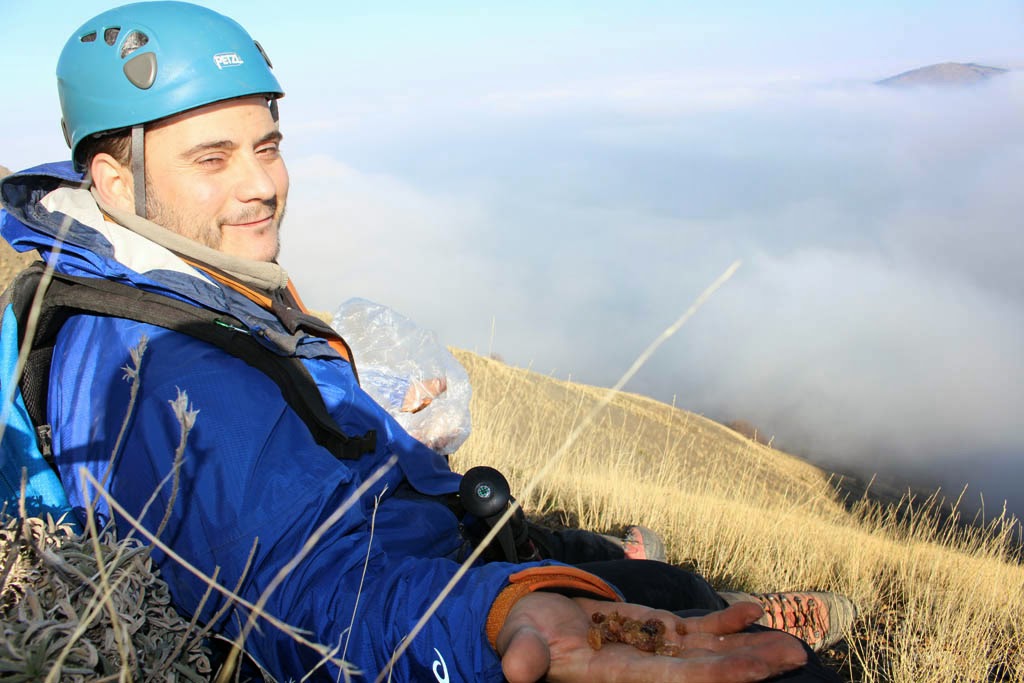
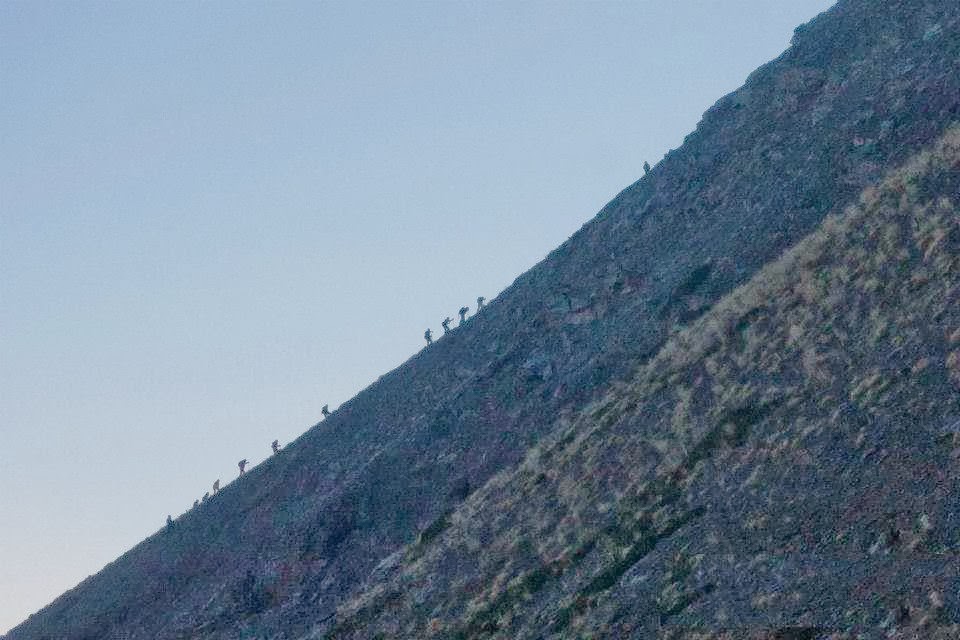
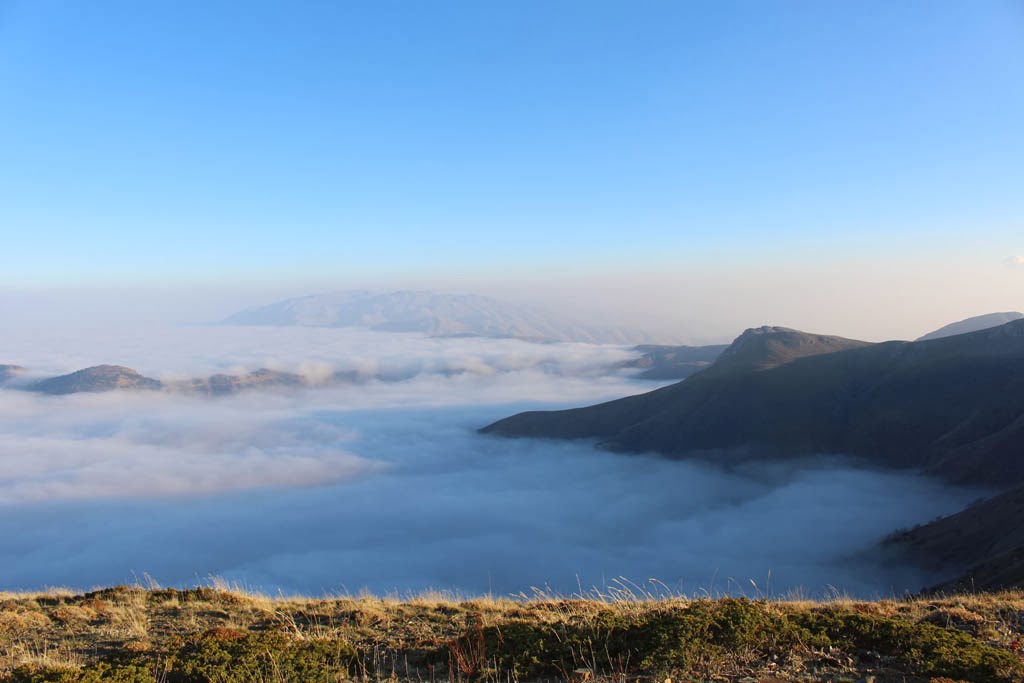
We all pile into the coffeehouse and rest. They treat us to tea. The conversation naturally turns to the mountain. We tell them what we saw and what we experienced. They also tell us a legend about the origin of the names Sultan Mountain and Gelincikana. A girl named Sultan had a lover, but her father wanted to marry her to the son of a rich friend he knew. On the day of the wedding, Sultan runs away in her wedding dress. Search teams are formed and they look for Sultan everywhere. Some time later, they find Sultan dead on top of the mountain, still in her wedding dress. Since that day, this mountain has been called Sultan Mountain, and its highest peak has been named Gelincikana. That’s the story they told us.
At the end of the conversation, a cheerful local local man, who could easily pass for a Turkish celebrity with his sharp features and mischievous smile, leaned in and whispered:: “Tell us the truth, did you find any treasure?” Apparently, there is such a rumor around here. Even though we tell them our goal was not “gold” but the summit and somewhat shatter their dreams, we say our goodbyes and part ways on good terms.
At the end of the day, there may not have been any precious stones in our bags; but we had new friendships, experiences, and memories that made us much richer…