My Climbing & Mountaineering Gear List

Last Updated: May 2026

I’ve compiled my complete personal gear inventory here with photos and honest reviews based on real-world use. I check this list before every trip to make sure I haven’t forgotten anything. I’ve added my experiences, pros, cons, and tips — hopefully they’ll help you make better gear decisions.

Clothing System
Touring Ski Boots

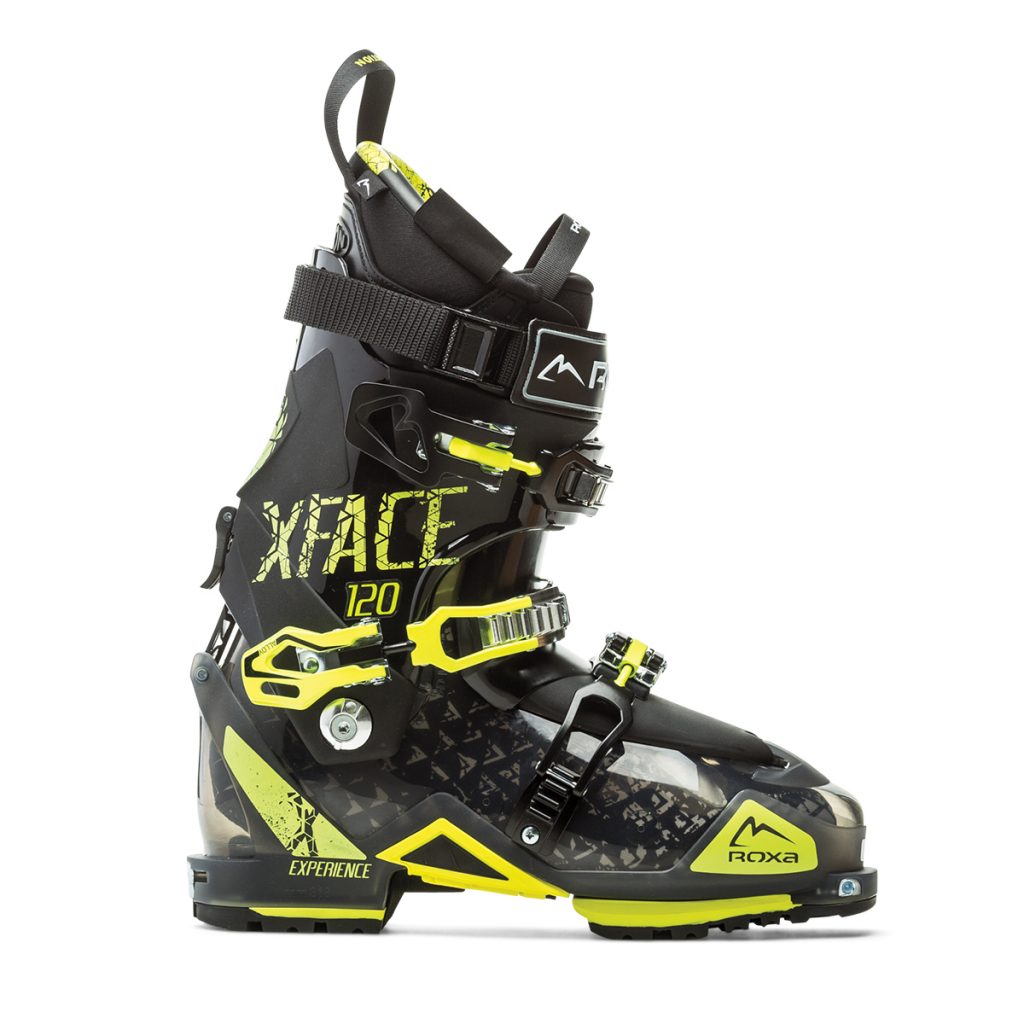
Touring Ski Boots

When it comes to ski touring boots, the absolute golden rule is finding a fit that snugly wraps your foot without pinching. If the boot is too tight, it restricts blood circulation; if it’s too loose, you lose maneuverability and invite friction. That is why it is crucial to keep the boots on your feet for at least 1–2 hours while testing them in the store. Natural foot swelling throughout the day can easily mislead you. I bought my very first pair too tight, being a bit too impatient. After just an hour on the mountain, my circulation was severely compromised, and I was forced to take the boots off in sheer agony. On the flip side, even the slightest dead space inside the boot compromises your edge control during descents and causes painful blisters on your toes during ascents. The most critical takeaway is this: You aren’t just buying these boots for downhill skiing; you are buying them for hours of uphill skinning and hiking. As you push forward on the trail, your feet will inevitably swell. These seemingly minor fit details are actually what dictate whether your day in the backcountry will be a sublime adventure or a painful nightmare. Keep this in mind during your search.

Back

Base Layers & Accessories

Touring Ski Boots

Touring Ski Boots

When it comes to ski touring boots, the absolute golden rule is finding a fit that snugly wraps your foot without pinching. If the boot is too tight, it restricts blood circulation; if it’s too loose, you lose maneuverability and invite friction. That is why it is crucial to keep the boots on your feet for at least 1–2 hours while testing them in the store. Natural foot swelling throughout the day can easily mislead you. I bought my very first pair too tight, being a bit too impatient. After just an hour on the mountain, my circulation was severely compromised, and I was forced to take the boots off in sheer agony. On the flip side, even the slightest dead space inside the boot compromises your edge control during descents and causes painful blisters on your toes during ascents. The most critical takeaway is this: You aren’t just buying these boots for downhill skiing; you are buying them for hours of uphill skinning and hiking. As you push forward on the trail, your feet will inevitably swell. These seemingly minor fit details are actually what dictate whether your day in the backcountry will be a sublime adventure or a painful nightmare. Keep this in mind during your search.
Back

Footwear

Touring Ski Boots

Touring Ski Boots

When it comes to ski touring boots, the absolute golden rule is finding a fit that snugly wraps your foot without pinching. If the boot is too tight, it restricts blood circulation; if it’s too loose, you lose maneuverability and invite friction. That is why it is crucial to keep the boots on your feet for at least 1–2 hours while testing them in the store. Natural foot swelling throughout the day can easily mislead you. I bought my very first pair too tight, being a bit too impatient. After just an hour on the mountain, my circulation was severely compromised, and I was forced to take the boots off in sheer agony. On the flip side, even the slightest dead space inside the boot compromises your edge control during descents and causes painful blisters on your toes during ascents. The most critical takeaway is this: You aren’t just buying these boots for downhill skiing; you are buying them for hours of uphill skinning and hiking. As you push forward on the trail, your feet will inevitably swell. These seemingly minor fit details are actually what dictate whether your day in the backcountry will be a sublime adventure or a painful nightmare. Keep this in mind during your search.
Back

Backpacks & Bags

Touring Ski Boots

Touring Ski Boots

When it comes to ski touring boots, the absolute golden rule is finding a fit that snugly wraps your foot without pinching. If the boot is too tight, it restricts blood circulation; if it’s too loose, you lose maneuverability and invite friction. That is why it is crucial to keep the boots on your feet for at least 1–2 hours while testing them in the store. Natural foot swelling throughout the day can easily mislead you. I bought my very first pair too tight, being a bit too impatient. After just an hour on the mountain, my circulation was severely compromised, and I was forced to take the boots off in sheer agony. On the flip side, even the slightest dead space inside the boot compromises your edge control during descents and causes painful blisters on your toes during ascents. The most critical takeaway is this: You aren’t just buying these boots for downhill skiing; you are buying them for hours of uphill skinning and hiking. As you push forward on the trail, your feet will inevitably swell. These seemingly minor fit details are actually what dictate whether your day in the backcountry will be a sublime adventure or a painful nightmare. Keep this in mind during your search.
Back

Technical Gear

Touring Ski Boots

Touring Ski Boots

When it comes to ski touring boots, the absolute golden rule is finding a fit that snugly wraps your foot without pinching. If the boot is too tight, it restricts blood circulation; if it’s too loose, you lose maneuverability and invite friction. That is why it is crucial to keep the boots on your feet for at least 1–2 hours while testing them in the store. Natural foot swelling throughout the day can easily mislead you. I bought my very first pair too tight, being a bit too impatient. After just an hour on the mountain, my circulation was severely compromised, and I was forced to take the boots off in sheer agony. On the flip side, even the slightest dead space inside the boot compromises your edge control during descents and causes painful blisters on your toes during ascents. The most critical takeaway is this: You aren’t just buying these boots for downhill skiing; you are buying them for hours of uphill skinning and hiking. As you push forward on the trail, your feet will inevitably swell. These seemingly minor fit details are actually what dictate whether your day in the backcountry will be a sublime adventure or a painful nightmare. Keep this in mind during your search.
Back

Other Equipments

Touring Ski Boots

Touring Ski Boots

When it comes to ski touring boots, the absolute golden rule is finding a fit that snugly wraps your foot without pinching. If the boot is too tight, it restricts blood circulation; if it’s too loose, you lose maneuverability and invite friction. That is why it is crucial to keep the boots on your feet for at least 1–2 hours while testing them in the store. Natural foot swelling throughout the day can easily mislead you. I bought my very first pair too tight, being a bit too impatient. After just an hour on the mountain, my circulation was severely compromised, and I was forced to take the boots off in sheer agony. On the flip side, even the slightest dead space inside the boot compromises your edge control during descents and causes painful blisters on your toes during ascents. The most critical takeaway is this: You aren’t just buying these boots for downhill skiing; you are buying them for hours of uphill skinning and hiking. As you push forward on the trail, your feet will inevitably swell. These seemingly minor fit details are actually what dictate whether your day in the backcountry will be a sublime adventure or a painful nightmare. Keep this in mind during your search.

Back

Camping & Sleeping

Touring Ski Boots

Touring Ski Boots

When it comes to ski touring boots, the absolute golden rule is finding a fit that snugly wraps your foot without pinching. If the boot is too tight, it restricts blood circulation; if it’s too loose, you lose maneuverability and invite friction. That is why it is crucial to keep the boots on your feet for at least 1–2 hours while testing them in the store. Natural foot swelling throughout the day can easily mislead you. I bought my very first pair too tight, being a bit too impatient. After just an hour on the mountain, my circulation was severely compromised, and I was forced to take the boots off in sheer agony. On the flip side, even the slightest dead space inside the boot compromises your edge control during descents and causes painful blisters on your toes during ascents. The most critical takeaway is this: You aren’t just buying these boots for downhill skiing; you are buying them for hours of uphill skinning and hiking. As you push forward on the trail, your feet will inevitably swell. These seemingly minor fit details are actually what dictate whether your day in the backcountry will be a sublime adventure or a painful nightmare. Keep this in mind during your search.
Back

Paragliding

Touring Ski Boots

Touring Ski Boots

When it comes to ski touring boots, the absolute golden rule is finding a fit that snugly wraps your foot without pinching. If the boot is too tight, it restricts blood circulation; if it’s too loose, you lose maneuverability and invite friction. That is why it is crucial to keep the boots on your feet for at least 1–2 hours while testing them in the store. Natural foot swelling throughout the day can easily mislead you. I bought my very first pair too tight, being a bit too impatient. After just an hour on the mountain, my circulation was severely compromised, and I was forced to take the boots off in sheer agony. On the flip side, even the slightest dead space inside the boot compromises your edge control during descents and causes painful blisters on your toes during ascents. The most critical takeaway is this: You aren’t just buying these boots for downhill skiing; you are buying them for hours of uphill skinning and hiking. As you push forward on the trail, your feet will inevitably swell. These seemingly minor fit details are actually what dictate whether your day in the backcountry will be a sublime adventure or a painful nightmare. Keep this in mind during your search.
Back

This list is based on my personal experiences and preferences. Gear choice is highly individual — always consider your own needs, body type, and climbing style.

Author

Write A Comment